 Spend at least 25,000 HUF and enjoy
 For our human health products, visit our
Blog
Sept
03

Sept
03
An eggshell reveals a lot about a hen's health status. Improper nutrition, stress, or health issues often show up first in the quality of the eggshell.
However, soft, brittle, or deformed eggshells are not just an aesthetic issue. Due to improperly formed shells, eggs contaminate more easily, spoil faster, and eggs prone to cracking or breaking can cause significant economic loss.
Let's look at the most common eggshell abnormalities, what causes them, and how to protect against them!
Sept
02
Sept
02
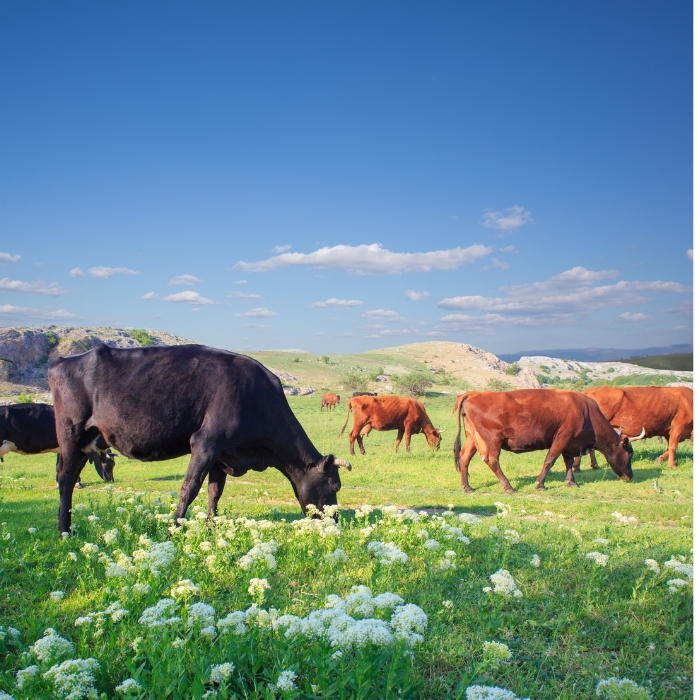
Milk yield often falls significantly during the summer period, primarily due to the combined effect of heatwaves and high humidity. As a result of climate change, extreme weather events are becoming increasingly frequent and prolonged. In recent years, long-lasting heatwaves have subjected not only humans but also livestock to significant stress. Dairy cattle and goats are particularly sensitive to the combined effects of high temperature and humidity, collectively referred to as heat stress.
The effect of heat stress on milk production is far from negligible: literature data indicates that milk yield can drop by 10–30% during summer heatwaves. Heat stress is therefore not merely a comfort issue; it induces severe physiological changes that impair animal health, production, reproductive performance, and ultimately farm profitability.
Sept
02
Sept
02
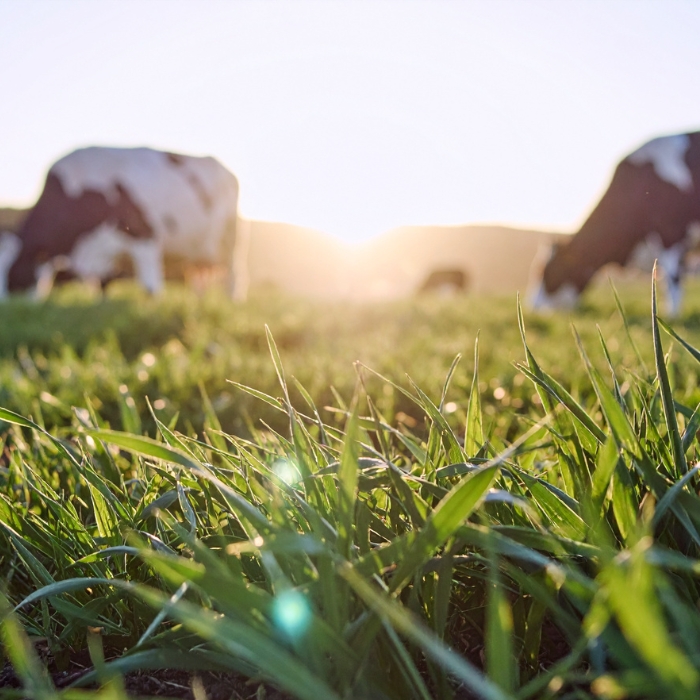
With the arrival of the summer months, production challenges routinely emerge across dairy farms. Heatwaves bring not only a noticeable drop in milk yield and worsening reproductive metrics, but also a far more insidious threat: a drastic surge in udder infections (mastitis).
It is a common misconception that summer mastitis is solely attributable to higher fly populations and warmer bedding. While environmental factors play a key role, the true root of the problem lies in the tight biological link between heat stress and the cow's immune system.
In this article, we review:
- How heatwaves weaken the bovine natural defence system,
- Why udder infections spike during warm months,
- The comprehensive prevention strategy required to protect the herd.
Aug
31

Aug
31
During summer and early autumn walks, a small but treacherous danger lurks in wait for our pets: the foxtail (grass awn). Due to their shape, the sharp, hard seeds of wall barley (Hordeum murinum) can easily burrow into a dog's paws, nostrils, eyes, ears, or other body openings, causing severe pain and inflammation. This guide covers the most common questions and answers so you can recognize the signs of a foxtail injury and take action before serious complications develop.
Aug
28
Aug
28
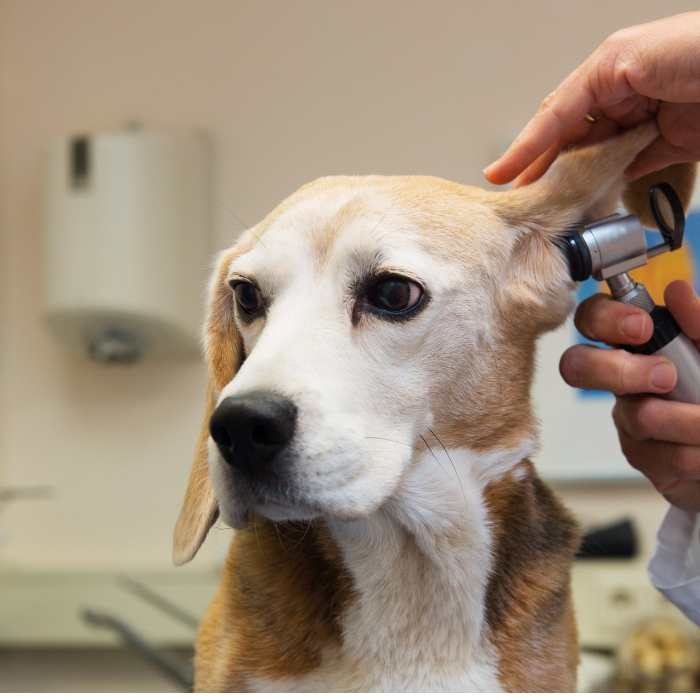
Ear infections are one of the most common health issues in dogs. Many owners have encountered a situation where their pet vigorously scratches its ear, shakes its head, and a foul odor emanates from the ear canal. Although it might seem minor at first, an untreated ear infection can cause severe pain and even lead to permanent hearing loss in the long run. That is why it is essential to understand the underlying causes, know what steps to take if an infection occurs, and learn how to prevent recurring issues.
Aug
28

Aug
28
The arrival of puppies is one of the most wonderful yet responsibility-heavy events in a dog owner's life. Although nature has equipped dogs with remarkable instincts, pregnancy, whelping, and nursing place an immense physical and mental demand on the mother dog's body. To keep her in peak condition, we must understand what happens in her body, what she needs throughout gestation and labor, and when to seek immediate veterinary care.
Aug
31
Aug
31
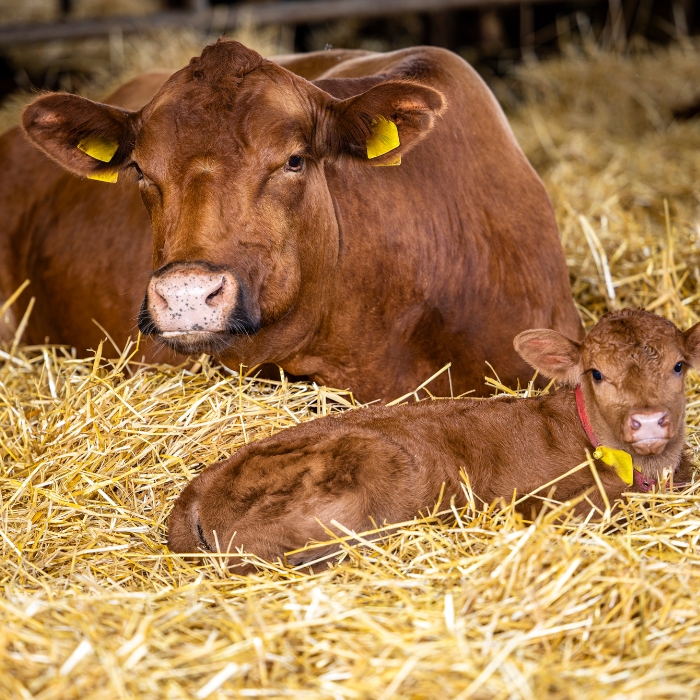
In modern dairy farming, maintaining udder health is not only the cornerstone of animal welfare, but also an essential key to profitability. Over recent decades, advances in milking technology, strict hygiene protocols, and effective teat dips have enabled farms to achieve significant success in curbing contagious pathogens. Concurrently, however, a new challenge has come to the fore: environmental mastitis.
While farms combat contagious mastitis primarily within the milking parlour, the battlefield against environmental mastitis is the stall, the barn, and the bedding. Below is a detailed overview of the differences between pathogens found in the milking parlour versus those in bedding, an analysis of common bedding systems, and the latest scientifically proven practices in bedding management.
Jul
27
Jul
27
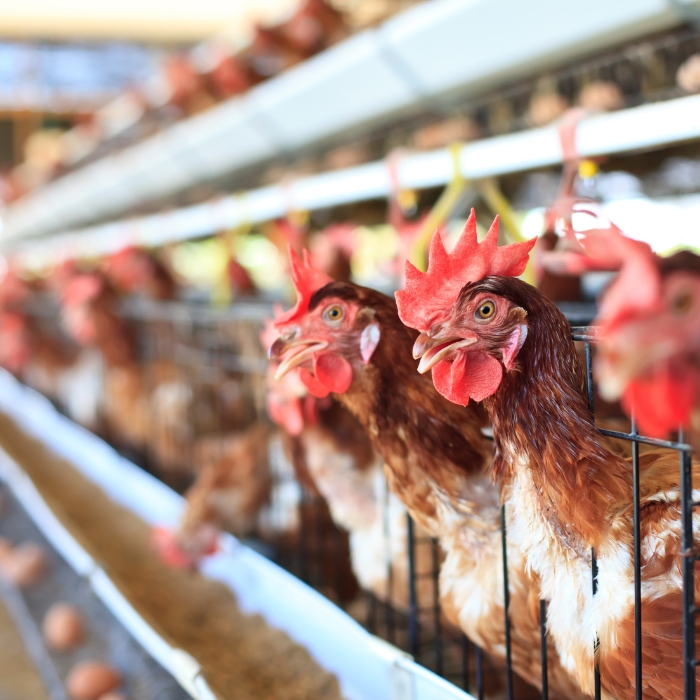
Improved eggshell quality and lipid profile, liver protection, and feeding-technology advantages.
Choline is a compound with numerous vital physiological functions, supplied to poultry both through internal synthesis and via feed. Because the metabolism of modern, high-performance livestock cannot synthesize sufficient amounts of choline, its dietary inclusion and proper utilization are critical to production success.
As a traditional source of choline, choline chloride—frequently utilized in premixes—exhibits numerous technological disadvantages (hygroscopic and corrosive properties) as well as nutritional-physiological drawbacks (trimethylamine formation).
In contrast, phospholipid-based, plant-derived choline sources eliminate the disadvantages of choline chloride, offer better absorption, and provide several favourable physiological effects.
Aug
28
Aug
28
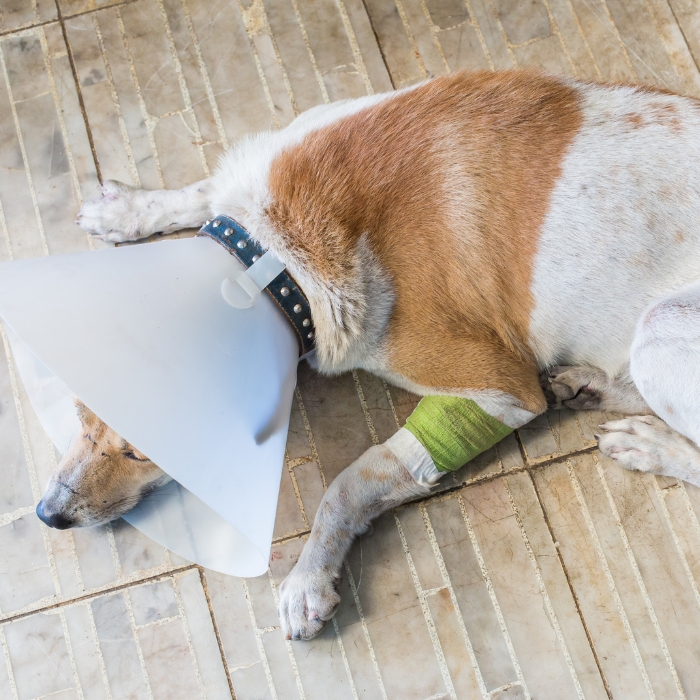
Living with dogs brings countless joyful moments: walks in the woods, play, and exercising together are all wonderful experiences. Unfortunately, even with the utmost care, minor or major accidents can happen outdoors. A thorny bush, a sharp pebble on the shore, hot summer asphalt, or an unexpected clash with another dog can quickly leave a mark on your pet's skin.
Although a dog's body possesses excellent regenerative capacity, proper care and monitoring of skin injuries are essential to prevent complications. As an owner, it is important to understand the normal wound healing process, know roughly how long a specific type of wound takes to heal, and recognize the signs of infection.
Jul
12
Jul
12
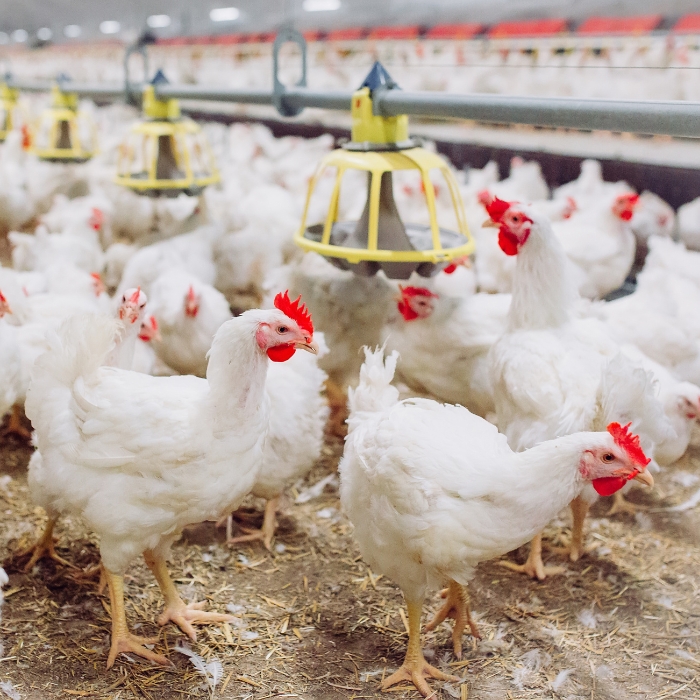
Maintaining flock health is one of the most important prerequisites for the profitable operation of broiler breeder farms. Production performance is influenced not only by mortality caused by infectious diseases, but also by forced culling resulting from various locomotor disorders. Among the diseases associated with lameness, Staphylococcosis is of particular importance. This condition is widespread throughout the poultry industry worldwide and can cause substantial economic losses, especially in broiler and breeder flocks.
Jul
03
Jul
03
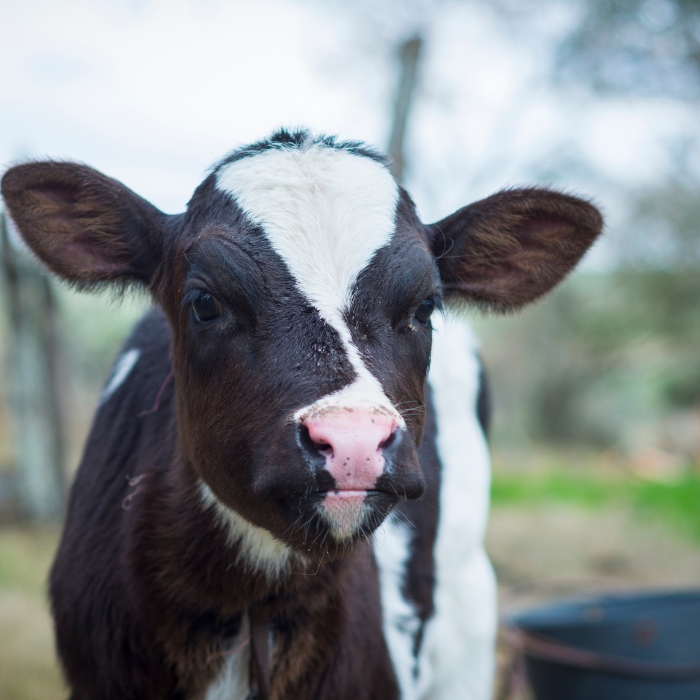
Calf diarrhoea is one of the most significant animal health and economic challenges facing cattle operations worldwide. Intestinal infections occurring during the first weeks of life not only compromise calf welfare and development but also result in substantial additional costs and production losses for farms. One of the best-known and most difficult-to-fight pathogens involved is Cryptosporidium parvum, the causative agent of cryptosporidiosis.
In a multi-month study conducted on a Hungarian cattle farm in 2025, researchers compared the effectiveness of seven different products in reducing Cryptosporidium infection. The trial yielded several important findings, but one product clearly stood out: LIQ-BIOTIC, a drinking solution containing medicinal herbs and essential oils. Over the long term, it delivered the best results in reducing infection levels.
June
03
June
03
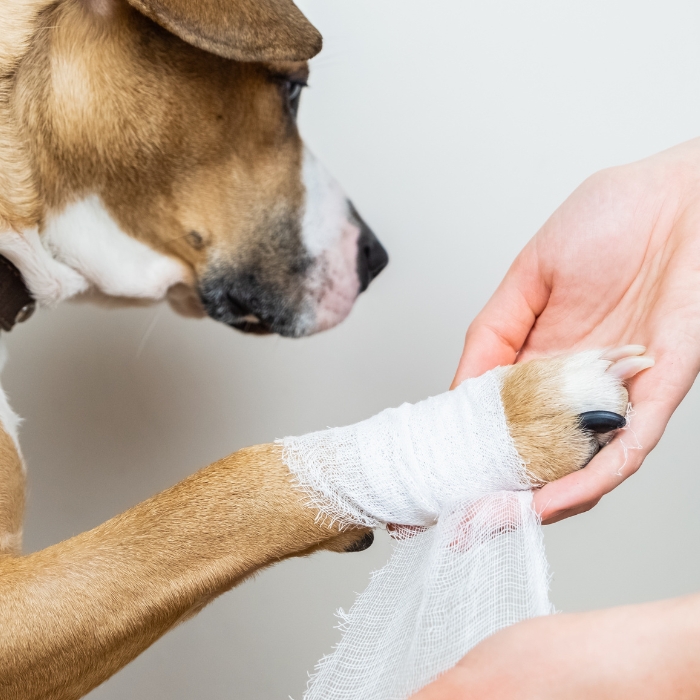
The skin and coat are often the first and most visible indicators of the overall health of livestock or companion animals. A shiny, thick coat and skin free of injuries suggest good internal balance and general well-being, whereas a dull coat and the presence of purulent, infected, or slow-healing wounds may point to underlying issues or nutritional deficiencies.
Wounds go through specific phases during the healing process. Understanding these stages of wound healing is essential for effectively supporting recovery and preventing complications. Let’s take a closer look at the phases of wound healing—and how Charmil, a natural, herbal-based gel and spray recommended by veterinarians, can support each stage of the healing process.
Sept
02
Sept
02
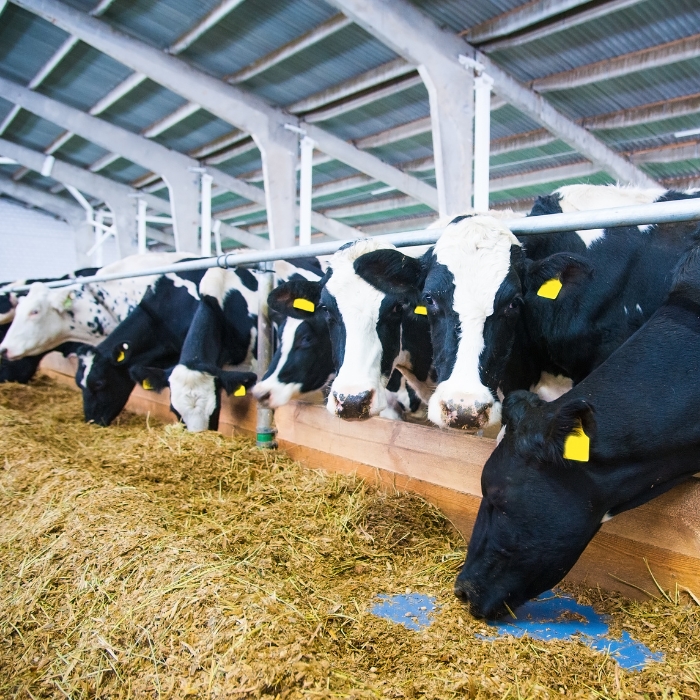
In recent decades, the dairy cattle industry viewed blanket treatment (Blanket Dry Cow Therapy – BDCT) as an almost unshakeable dogma. This practice meant that at the moment of drying-off, a long-acting antibiotic preparation was infused into all four teats of every single cow without exception. The goal was to cure existing—often subclinical—intramammary infections present during lactation and to prevent new infections from developing during the dry period.
Although blanket treatment contributed significantly to reducing mastitis cases in the second half of the 20th century, international and European Union agricultural perspectives have fundamentally changed. The global threat of antimicrobial resistance (AMR), stricter regulatory frameworks, and expectations for more sustainable milk production are forcing dairy farms to rethink their routine medication practices.
June
03
June
03
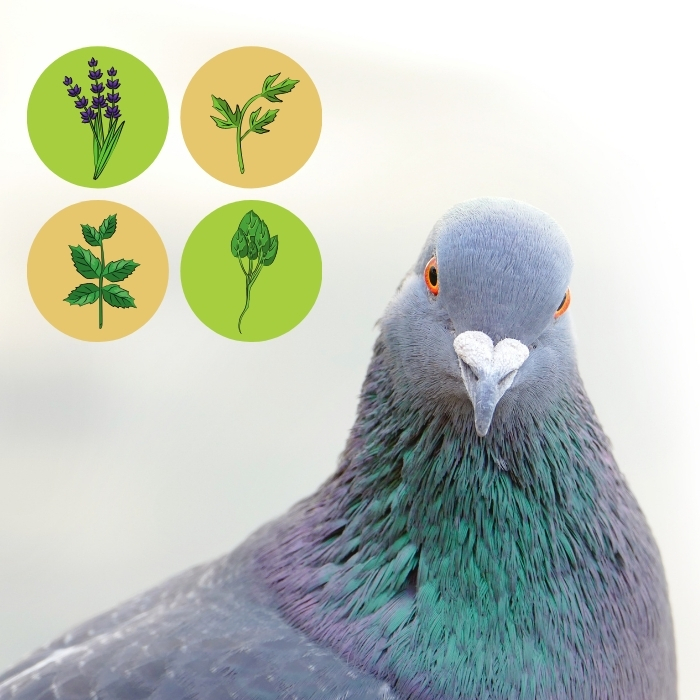
The liver is one of the most important internal organs in both humans and racing pigeons, serving as the central hub of the body’s metabolic processes and an important energy-buffer organ. It is a vital organ with highly complex functions, and for this reason, maintaining its healthy condition is essential for preserving the health and performance of pigeons.
Let us take a closer look at how this important organ functions in racing pigeons, so we can better understand just how crucial it is to keep it in optimal condition!
June
03
June
03
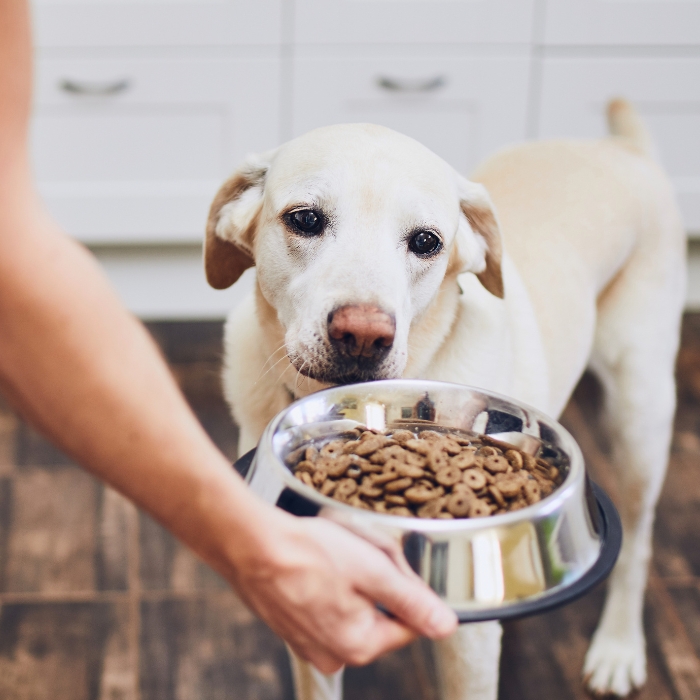
Food allergies are becoming increasingly common in dogs, and many pet owners find themselves dealing with this issue. What may initially seem like harmless scratching or occasional digestive upset can, in fact, be the result of a serious immune system reaction.
Food allergies should not be ignored, as the symptoms not only cause discomfort for the dog but can also significantly diminish its overall quality of life and physical condition over the long term.
Aug
28
Aug
28
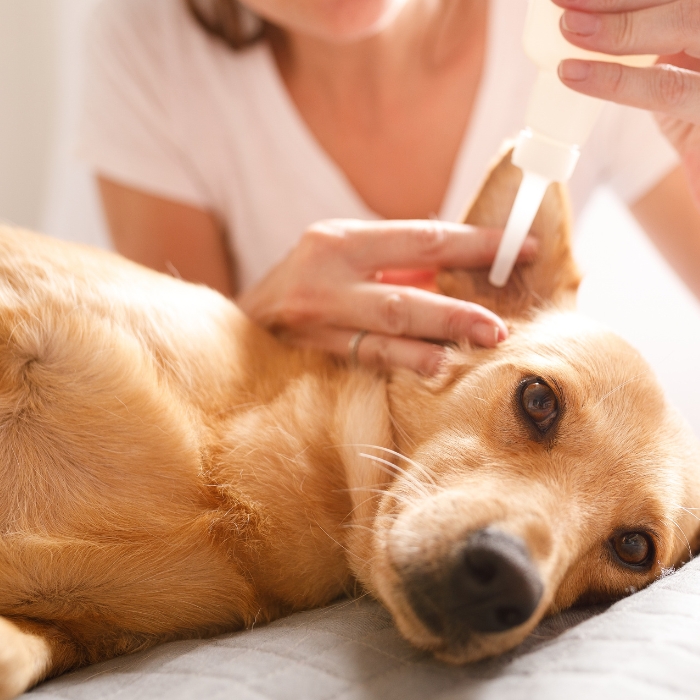
An ear mite infection is a relatively common parasitic ear problem in dogs that owners should never ignore: left untreated, ear mites can lead to severe inflammation, pain, secondary infections, and even permanent hearing loss. The issue is especially common in puppies, neglected animals, shelter dogs, and multi-pet households where dogs and cats live together.
Fortunately, when caught in time, ear mites are very treatable!
Read on to learn:
- how to recognize an ear mite infection,
- how diagnosis works,
- what treatment options are available,
- and what you can do to prevent it!
June
02

June
02
As a dog owner, it’s important to know that dogs can suffer from allergies too—and in fact, allergies are among the most common reasons owners bring their pets to the veterinarian today. Itchy skin, hair loss, ear infections, and digestive issues are often the result of allergic reactions.
Allergies should be taken seriously, as they not only cause daily discomfort for the dog and reduce their quality of life, but can also have a significant long-term impact on their overall health. To make matters more difficult, the symptoms of different types of allergies are often very similar, which means it is not always easy to determine exactly what is triggering the reaction.
Jul
14
Jul
14
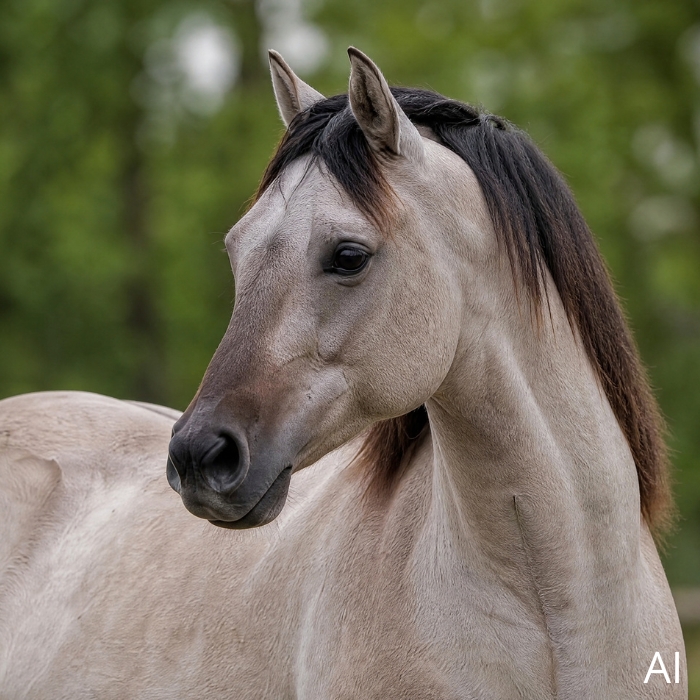
How a Hormone-Free Sperm Quality Enhancer Saved the Career of Dusty, the Quarter Horse Breeding Stallion
In the world of horse breeding, the debut of a promising young stallion is always a major milestone. When top-tier genetics, flawless conformation, and a strong work ethic align, owners have every reason to believe their horse will sire the next generation of champions.
However, there is one critical factor that overrides every other positive attribute—and without which the most expensive imported semen or the most brilliant racing record becomes worthless: the stallion's reproductive capacity, namely his sperm quality and fertility.
June
02
June
02
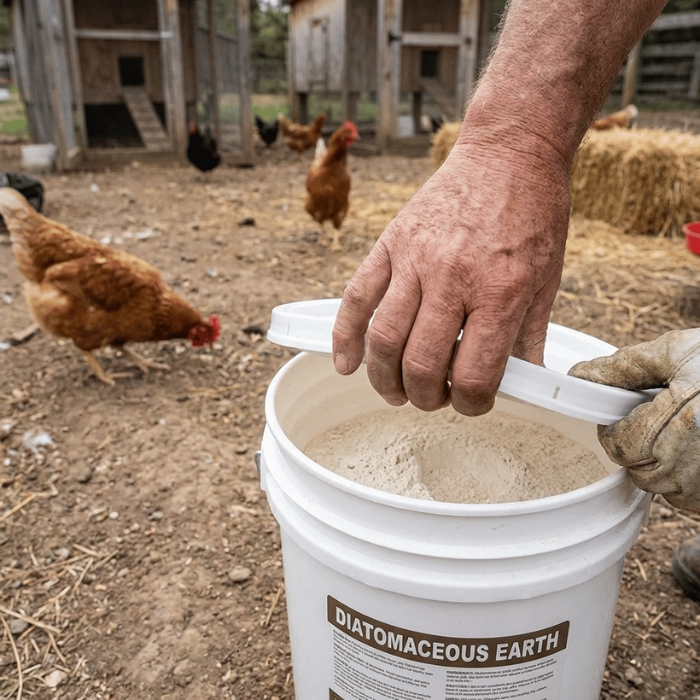
One of the most common—and most troublesome—challenges in backyard poultry keeping is the appearance of parasites. Whether it's red poultry mites or feather lice, parasites not only compromise the comfort and well-being of chickens but can also lead to serious health and economic consequences. An infested flock becomes more restless, eats less, produces fewer eggs, and may become more susceptible to disease over time.
Chemical treatments for chicken coops often come with drawbacks. Many poultry keepers are concerned about chemical residues, the development of pest resistance, or the potential impact on both their birds and the environment. It is therefore no surprise that an increasing number of farmers and hobby poultry keepers are turning to natural alternatives, such as herbal preparations and diatomaceous earth.
June
01
June
01
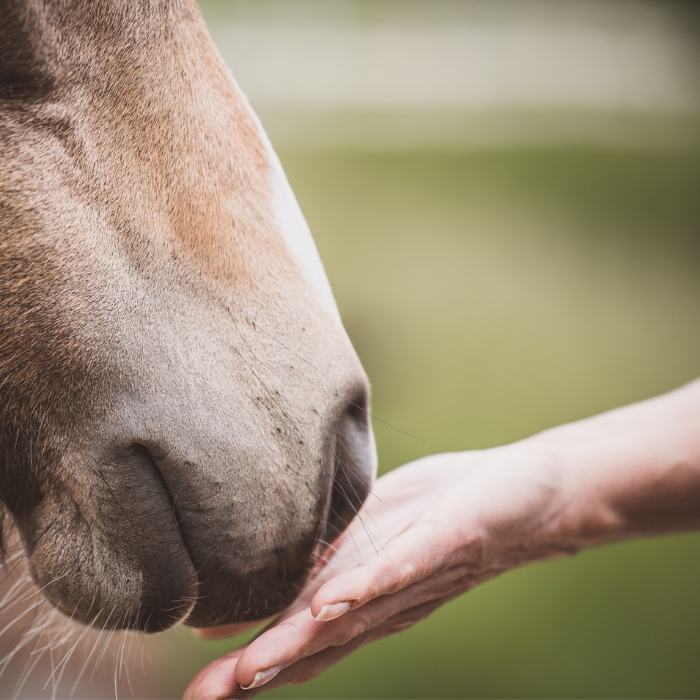
Many horse owners assume that respiratory problems primarily occur during the winter months when horses spend more time in enclosed stables. In reality, however, coughing, breathing difficulties, and reduced performance are also common during spring and summer in horses. During the warmer months, pollen, dust, dry ground conditions, mold spores, and increased exposure to airborne allergens can place significant stress on the respiratory system.
Sept
23
Sept
23
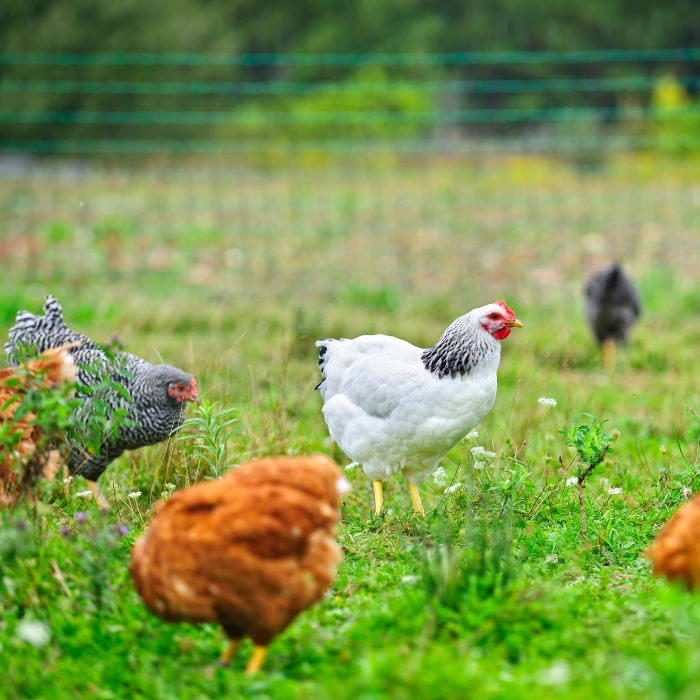
In recent years, summers have become increasingly hotter, longer, and more extreme, bringing more heat alerts and prolonged heatwaves. These changes do not only affect people — poultry suffer as well. On a scorching summer day, hens can feel much like we would if we were wearing a winter coat in the middle of summer. The lack of sweat glands (which limits their ability to dissipate heat), their dense feather coverage, naturally high body temperature, and relatively thick fat layer make chickens especially vulnerable to extreme heat.
If we look at a flock on a sweltering afternoon, the signs of heat stress quickly become apparent: hens pant heavily, spread their wings, search for shade, and eat very little. Many farmers, however, only recognize the seriousness of the problem once the heat has already begun to affect productivity:
- egg production declines,
- feed intake decreases,
- growth slows down,
- unexplained mortality begins to appear.
Sept
23
Sept
23
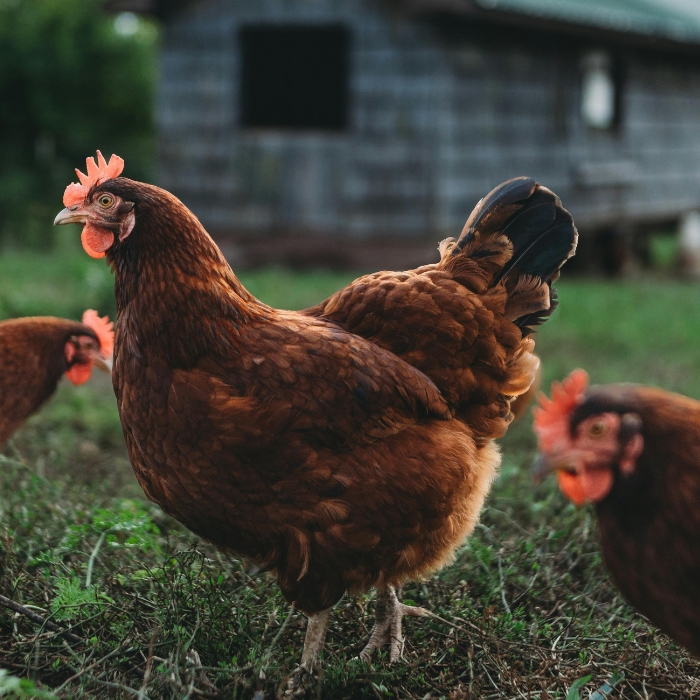
Red poultry mite infestation is a complex problem for poultry farmers as its appearance can cause significant damage to poultry flocks. It can significantly reduce the bird’s performance, lead to poorer meat quality, reduced egg production, disease and even mortality. Conventional chemical eradication of mites can have a number of disadvantages. Fortunately, there is a proven, effective, natural method that can be applied through drinking water, with minimal labour input, to help control red mites cost-effectively!
Aug
27

Aug
27
The discovery of antibiotics was one of the greatest medical breakthroughs of the 20th century, rendering curable infections that had previously claimed millions of lives. Today, however, we are increasingly confronted with the fact that this fundamental safety net is wavering. The phenomenon of antibiotic resistance—the emergence of antibiotic-resistant "superbugs"—is spreading quietly yet rapidly across the globe. Left unaddressed, it could easily return us to the pre-antibiotic era.
Sept
23
Sept
23
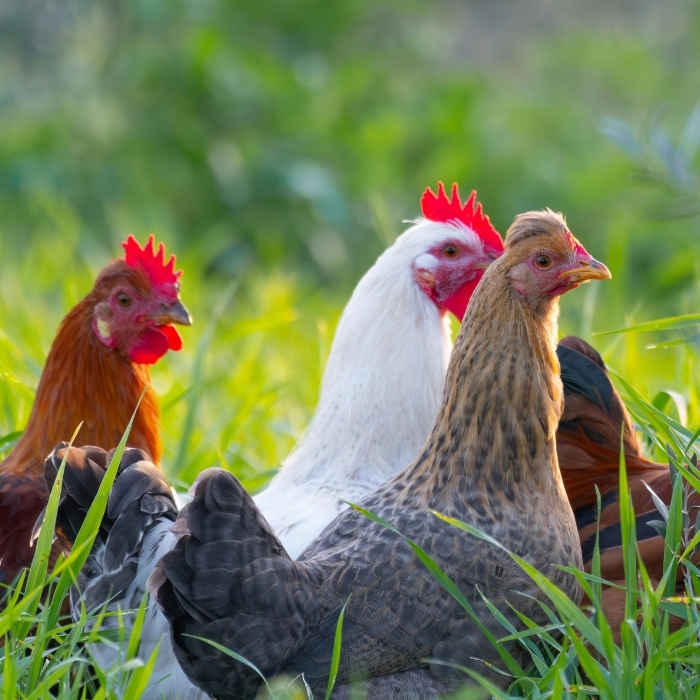
Adequate vitamin supply plays a fundamental role in maintaining the health, resilience, and production performance of poultry flocks. The use of vitamin-based supplements is important not only during specific stress situations (such as summer heat stress), but throughout the entire production cycle—the challenges simply vary by period.
Aug
19

Aug
19
Few things bring as much joy to both dogs and their owners as a walk together in nature. Exploring forest trails, breathing in the scent of meadows, dashing through tall grass, or playing chase with other dogs—all of these are unforgettable experiences. These outings not only provide physical exercise, but also refresh the mind and strengthen the bond between dog and owner.
Unfortunately, these carefree moments can also hide dangers. Nature is home to many tiny creatures that can threaten your dog’s health: external parasites (like ticks, fleas and mites), that can latch onto your pet almost unnoticed during your walk.
Sept
23
Sept
23
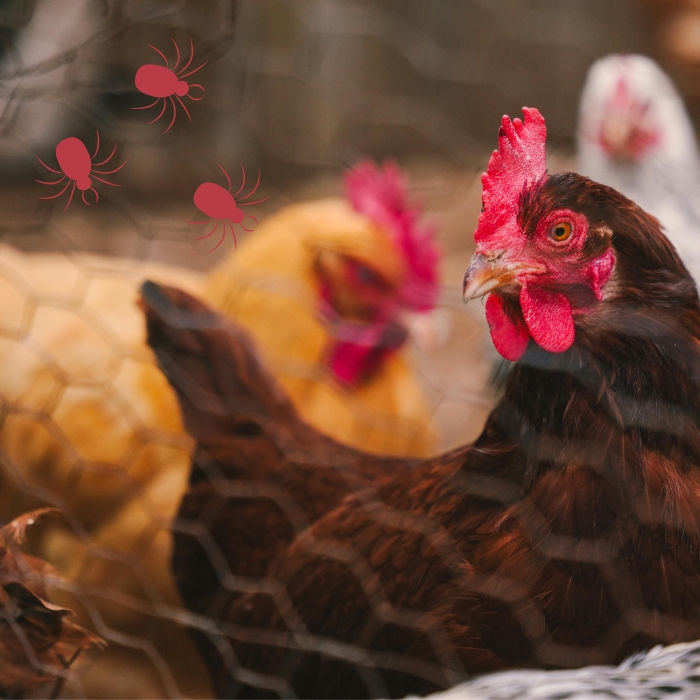
The red poultry mite is one of the most persistent and economically damaging parasites in poultry farming. Most farmers only realize the true severity of an infestation once it has already spread through the flock — and by then, it becomes clear that this is not a problem that can be eliminated quickly.
Practical experience shows that eradicating an established red mite infestation rarely succeeds within just a few weeks. In most cases, it takes 6–12 months, and in severe situations it may take even longer than a year before a flock can be considered free of red mites.
Aug
19

Aug
19
One of the sneaky dangers of the summer and autumn months that every dog owner should be aware of is foxtail, or grass awn. This seemingly harmless tiny grass seed is made dangerous by its special shape. With its sharp, hooked tip, it easily burrows under the dog’s skin or into body openings, causing severe pain and inflammation. Let’s take a closer look at what foxtail is, why it is dangerous, how to prevent the related discomfort, and what to do if your dog gets a grass awn embedded in its body!
Sept
23
Sept
23
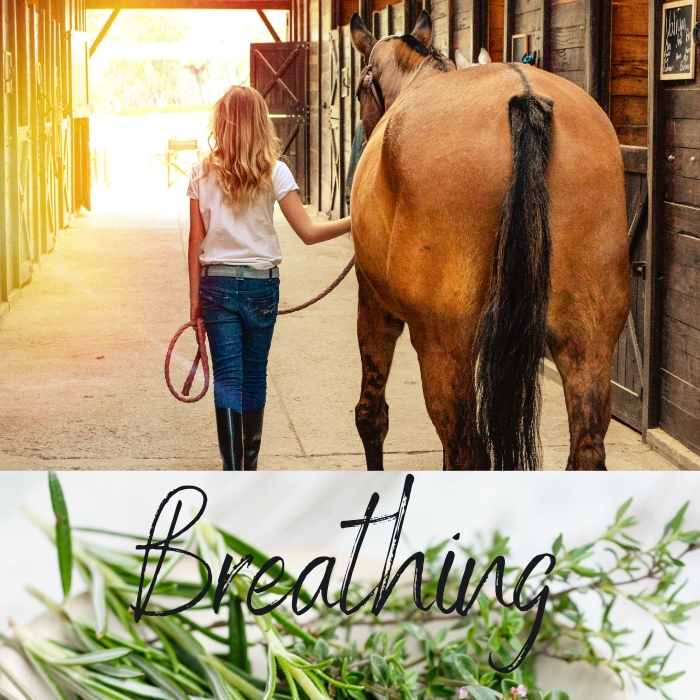
Respiratory diseases in horses can have a significant impact on the horse's value and work capacity by resulting in reduced stamina and limiting the horse's performance. Respiratory problems can also lead to reduced appetite, weight loss and poor coat quality, further reducing the horse's marketability and overall value.
Aug
19

Aug
19
As a responsible dog owner, it’s important to be aware that dogs can suffer from allergies as well. In fact, allergies are among the most common issues that lead pet owners to seek veterinary care today. Symptoms such as itchy skin, hair loss, ear infections, or digestive problems are often the result of allergic reactions.
Allergies should be taken seriously, as they can cause daily discomfort for your dog, significantly reducing their quality of life. Over time, they may also have a more serious impact on the animal’s overall health. To make matters more challenging, the symptoms of different types of allergies can be very similar, which often makes it difficult to identify the exact trigger.
Sept
23
Sept
23
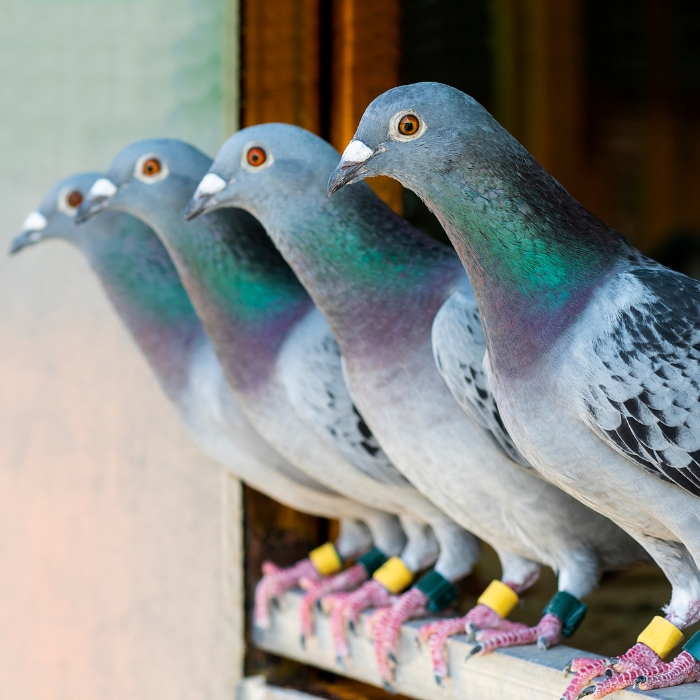
Summer is one of the most exciting periods for pigeon fanciers, as it marks the racing season. It is a time of major successes and disappointments, of old and new champions emerging, and of tried-and-tested as well as newly introduced breeding and training methods being put to the test. This is when fanciers receive confirmation that their preparation and methods have paid off—or, if results fall short, are forced to rethink their strategies, feeding practices, and training approaches. The racing season is therefore arguably the most thrilling part of the year for pigeon enthusiasts, offering both challenges and answers in abundance. Let’s take a closer look at what deserves the most attention during this period.
Sept
23
Sept
23
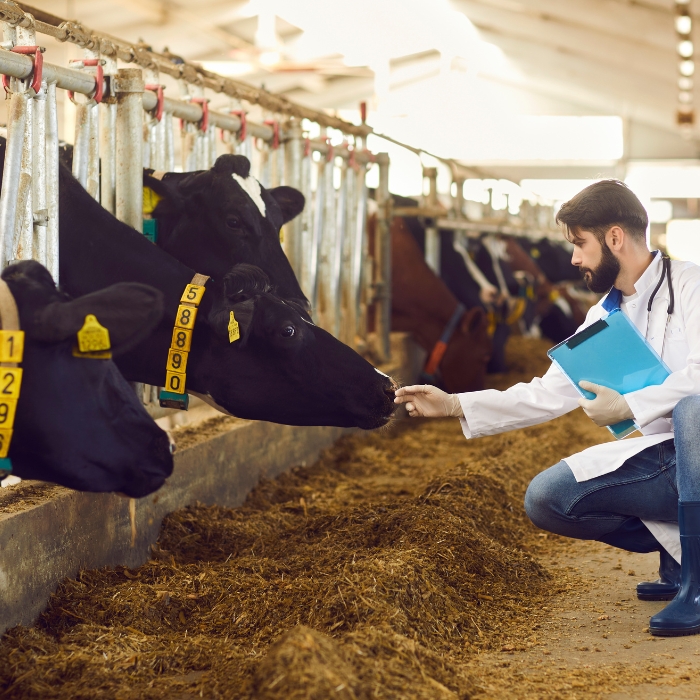
Mastitis, the inflammation of the mammary gland, is the most prevalent and costly disease affecting dairy cattle farming worldwide in every country, including developed ones. This disease leads to significant economic losses due to decreased milk yield, poor milk quality, and additional costs associated with veterinary care and early culling of affected cows. Mastitis is particularly common in high yielding breeds such as Holstein-Friesian, where prevalence can be as high as 40%. Understanding the multifactorial nature of mastitis and exploring innovative new treatment approaches is crucial for mitigating these losses and improving dairy farm productivity. This article delves into the economic impact of mastitis, its causes, and emerging new treatments, to provide a comprehensive overview of this important animal health-care issue.
Sept
23
Sept
23
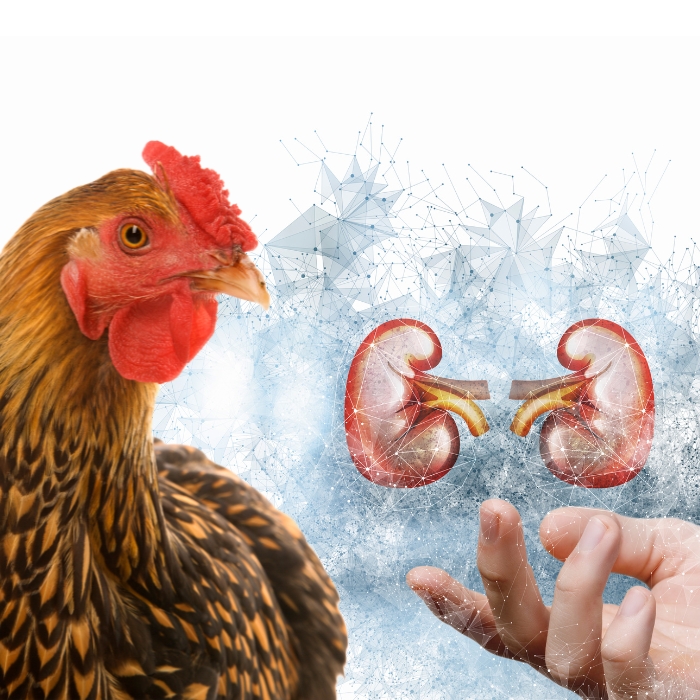
Kidney health plays a crucial role in poultry production, yet renal diseases in broilers and layers often go unnoticed until they result in serious health issues and economic losses. With increasing intensification in poultry farming, kidney-related problems are becoming more frequent due to nutritional imbalances, environmental stress, and infectious agents. Fortunately, advances in herbal veterinary solutions—such as Nephroboost, a natural liquid supplement—offer promising support for maintaining optimal kidney function.
Sept
23
Sept
23
Commercial boars (like many other farm animals kept in large housing systems) can face various reproductive disorders that impact their fertility and overall health. Addressing these issues effectively requires a comprehensive understanding of their causes and potential remedies. Synthetic hormones may provide short-term solutions but are not suitable for long-term management as they can lead to additional health issues and further hormonal imbalances. This article delves into common reproductive disorders affecting boars, their causes, and potential sustainable, natural solutions designed to enhance their reproductive health.
Sept
23
Sept
23
Maintaining the balance and production of the microbes in the rumen is the key to improve productivity in dairy cows. Feed efficiency, nitrogen digestibility, and methane production in ruminants are affected by ruminal microbiota. In addition, ruminal microbes play a key role in maintaining life-long health and high productivity of the animals. In our article below, we will show how herbal formulations can help to balance the ruminal microbiome in dairy cattle and other ruminants without any unwanted side effects, and how they can also help to maintain the health of the animals and increase their overall productivity.
Sept
23
Sept
23
Preventive measures in the context of the foot-and-mouth disease outbreak
In modern animal farming, achieving optimal performance is no longer just about feed quantity and genetics. The health of the digestive system and immune function of animals like cows, sheep, goats, and pigs is now recognized as a cornerstone of productivity, profitability, and animal welfare.
In the shadow of the ongoing foot-and-mouth disease outbreak in Hungary, it is important to remind us how quickly livestock health can be compromised. Alongside veterinary measures and containment, supporting everyday resilience—through better digestion, stronger immunity, and natural products—can play a key role in long-term herd health.
Among the many factors that contribute to high-yield livestock production, supporting immunity, maintaining digestive balance, optimizing rumen function (in ruminants), preserving gut microflora, and combating harmful gut bacteria—especially those causing diarrhoea—are some of the most essential.
Sept
23

Sept
23
Tiszakécske, a town halfway between Kecskemét and Szolnok, is home to one of Hungary's pioneering certified organic farms, Éden Major, where the owners, Gábor Szokolai and his wife, have been living and working since 2016 to realise their lifelong dream of an organic farm for growing crops, producing eggs and raising livestock. The last time we visited Éden Major was in 2020, but the partnership has been ongoing ever since, and they have recently developed their organic poultry feed enriched with herbal and mineral supplements (marketed by Garuda Ayurveda), called the FITOBOOST poultry feed-range. With FITOBOOST poultry feeds, Gábor and his wife had great success in raising organic chickens, not only producing high-quality poultry meat, but also - to much of their surprise - significantly reducing the rearing time as well!
Sept
23

Sept
23
In the battle against climate change, methane emissions pose a significant challenge. Among the various sources of methane, cattle farming emerges as a significant contributor, particularly through the process of enteric fermentation in ruminant animals like cows, sheep, and goats. Methane is a powerful greenhouse gas with a much higher warming potential than carbon dioxide. Reducing methane emissions from livestock is therefore a critical aspect of mitigating climate change. Strategies such as improving feed efficiency, providing feed supplements, and better waste management can help reduce methane emissions from livestock farms. In our article below, we look at how farmers can use natural feed supplements to support rumen function, which not only helps reduce methane emissions, but also contributes to healthier and more productive livestock!
Sept
23
Sept
23
The bluetongue virus (BTV), a vector-borne viral disease primarily affecting domestic and wild ruminants, has reemerged aggressively in Europe over the past year. Despite efforts to control its spread, bluetounge virus continues to cause severe outbreaks in the livestock industry. First detected in the early 2000s, BTV has remained a persistent threat, with recent outbreaks spreading faster and with more devastating effects than ever before. In 2023, the virus re-emerged in the Netherlands and quickly spread to Germany, Belgium, France, Luxembourg, and Denmark. By the spring of 2025, it had also appeared in Austria.
Concerns are growing about the virus’s ability to outpace current vaccination and control efforts. To combat this, herbal feed-additives with immunomodulatory effects are being explored as a supplementary measure to enhance immunity and boost the success of vaccinations.
Dec
12

Dec
12
Healthy breathing is essential for racing pigeons and flying pigeons alike. It is the foundation of successful competition results, effective breeding, and maintaining a loft full of strong, energetic birds in peak condition. As the seasons change, so do the environmental challenges that put stress on a pigeon’s body.
During winter, cold winds, damp weather, high humidity, and sudden drops in temperature place significant strain on the respiratory system. At this time of year, the mucous membranes become more vulnerable to damage, the immune system weakens, and pigeons become far more susceptible to respiratory infections. These illnesses often begin subtly, with only a slight decline in performance, before gradually becoming more serious.
In this article, we examine how seasonal changes affect pigeon health, discuss the most common winter respiratory diseases, and share proven practical advice for prevention and treatment so your loft can remain strong, healthy, and competitive all year round.