 Spend at least 25,000 HUF and enjoy
 For our human health products, visit our
Mechanism of Action of Medicinal Herbs
A medicinal herb is a plant or part of a plant used in therapeutic preparations or cosmetics for its fragrance, flavour, or medicinal properties. Plants synthesize hundreds of chemical compounds to serve various functions, including defence against insects, fungi, pathogens, and herbivorous mammals. These compounds are biologically active substances with specific chemical structures and properties that allow them to interact with biological systems and exert desired physiological effects.
Active compounds include alkaloids, flavonoids, terpenes, phenolic compounds, glycosides, saponins, tannins, and many others. These often contribute to therapeutic effects and potential health benefits. Their actions range from antioxidant and anti-inflammatory to antimicrobial, analgesic, and immunomodulatory activities. The specific compounds present vary depending on plant species, plant parts used, and environmental factors.
Medicinal plants contain a wide range of pharmacologically active constituents, each with a unique combination of compounds and properties. Many contain multiple components with diverse effects, which may be combined within one preparation. Healing compounds may be found in the whole plant or in specific plant parts.
Herbal medicine can serve different purposes: treating specific conditions (e.g., digestive disorders, respiratory problems), supporting general health and well-being, boosting the immune system, and promoting relaxation and stress reduction.
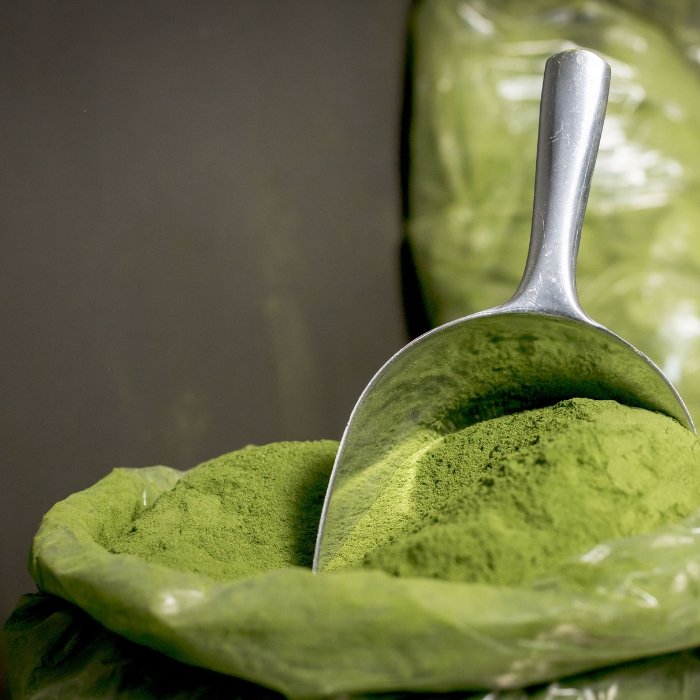

Key Effects and Applications of Medicinal Herbs
1. Adaptogenic Effect: Adaptogenic herbs increase the body’s resilience. Their compounds can speed up or slow down various physiological functions, regulate metabolism, balance organ activity, and help maintain or restore homeostasis. They act via the immune and endocrine systems, influencing hormone secretion and improving neural signalling efficiency. Adaptogens also function as antioxidants, limiting the harmful effects of free radicals and reactive oxygen species on metabolic processes.
2. Immunomodulation: Certain herbs can modify immune function through dynamic regulation of signalling molecules (cytokines, hormones, neurotransmitters, and other messenger peptides). They can stimulate or activate various immune cells, such as macrophages, natural killer cells, and lymphocytes.
3. Anti-Inflammatory Effect: Inflammation is a complex biological process aimed at restoring homeostasis following physical damage, chemical irritation, or microbial invasion. While essential for defence and healing, excessive or chronic inflammation can damage tissues, slow regeneration, increase pain, and contribute to chronic diseases. Herbs can help moderate inflammation by supporting natural defence mechanisms while reducing harmful overreaction.
Their anti-inflammatory mechanisms vary by species and active compounds. Many herbs contain bioactive substances that inhibit the production or activity of inflammatory mediators (e.g., cytokines, prostaglandins). Some modulate enzymes involved in inflammation—for instance, curcumin from turmeric inhibits cyclooxygenase (COX) and lipoxygenase (LOX), enzymes responsible for synthesizing inflammatory mediators.
4. Effects on Appetite and Digestive Functions: Due to their diverse active ingredients, herbs can influence digestion in several ways, such as:
- stimulating saliva secretion,
- increasing bile acid synthesis in the liver and secretion via bile, aiding fat digestion and absorption,
- stimulating pancreatic enzyme activity (lipases, amylases, proteases),
- enhancing gastric enzyme activity.
In addition to affecting bile synthesis and enzyme activity, herbal extracts accelerate digestion and shorten the transit time of feed through the digestive tract.
5. Antimicrobial Effect: Flavonoids are among the most promising antimicrobial agents, showing strong antibacterial activity. Phenolic compounds, tannins, and alkaloids also display significant antimicrobial properties. Their mechanisms include damaging bacterial cell walls and membranes, inhibiting nucleic acid and protein synthesis, disrupting energy metabolism, blocking bacterial efflux pumps, and increasing intracellular osmotic pressure. Organic acids act by altering intracellular pH.