Behind all of these issues, the underlying cause is often simply prolonged heat. Moreover, due to climate change, extreme summer heat is expected to become increasingly common, making heat stress one of the most significant seasonal challenges in modern poultry farming.
The good news, however, is that with proper attention and natural management practices, we can do a great deal to reduce the harmful effects of heat stress in poultry flocks.
What Temperature Is Ideal for Poultry?
Like all animals, poultry have a thermal comfort zone — a temperature range in which they feel most comfortable. Within this range (known as the thermoneutral zone), birds do not need to expend extra energy cooling down or warming up their bodies, and they can easily dissipate excess body heat. Under these conditions, more energy can be directed toward growth and egg production. For domestic chickens, this ideal temperature range is between 15 and 24°C.
However, temperature alone is not the only factor that matters — air humidity also plays a crucial role. Together, temperature and humidity determine how hot the environment actually feels to the birds. This relationship is expressed by the temperature–humidity index (THI). When this value becomes high, the risk of heat stress increases, negatively affecting both the health and performance of the flock.
Poultry primarily cool themselves through panting and rapid breathing. During prolonged hot weather, especially when both temperature and humidity are high, birds pant more and more intensely, yet this is often no longer sufficient to cool their bodies effectively. High humidity further worsens the situation because evaporation becomes less efficient in moist air, making it even harder for birds to release excess body heat.
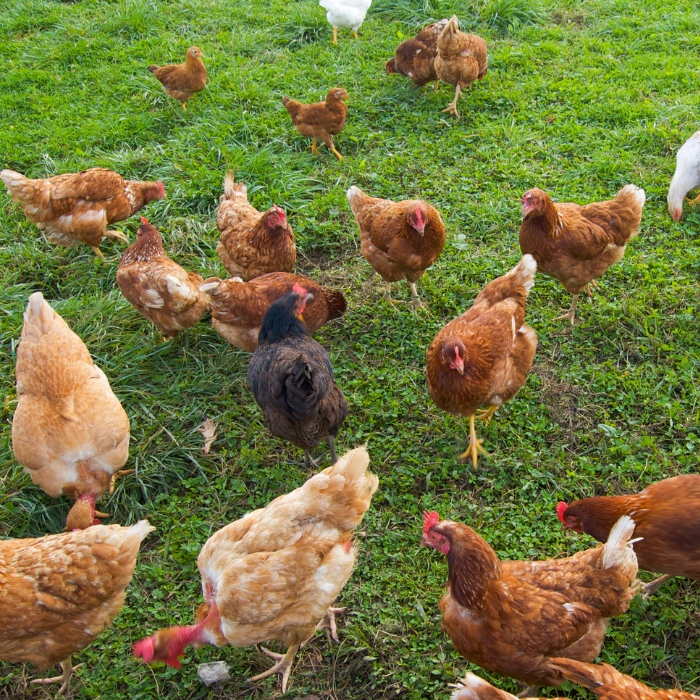
Within their ideal temperature range, poultry are able to direct the energy produced by their bodies toward growth and egg production.
What Happens in a Poultry’s Body Under Heat Stress?
When poultry are exposed to prolonged heat stress, several internal processes are triggered that are not always visible externally, yet significantly affect their health and performance.
1. Oxidative stress (cell and tissue damage)
Prolonged heat and heat stress reduce the birds’ ability to neutralize reactive, tissue-damaging molecules produced in the body, known as free radicals. Oxidative stress damages cells and proteins, leading to impaired cellular and tissue function, as well as increased susceptibility to disease. In poultry flocks, this can result in weaker immune responses and higher mortality rates.
2. Disruption of internal balance and metabolic processes
Heat stress disrupts the acid–base balance of the bird’s body (blood pH). This interferes with essential metabolic processes and enzyme function, causing weakness, reduced digestion efficiency, poorer feed conversion, and increased vulnerability to disease.
3. The consequence of panting – respiratory alkalosis
During heat stress, poultry increase their breathing rate (panting) to dissipate excess body heat, which leads to excessive loss of carbon dioxide. This can result in respiratory alkalosis, a condition in which blood pH becomes too alkaline. It may cause muscle tremors, general weakness, and reduced oxygen delivery to tissues, further increasing the birds’ stress levels.
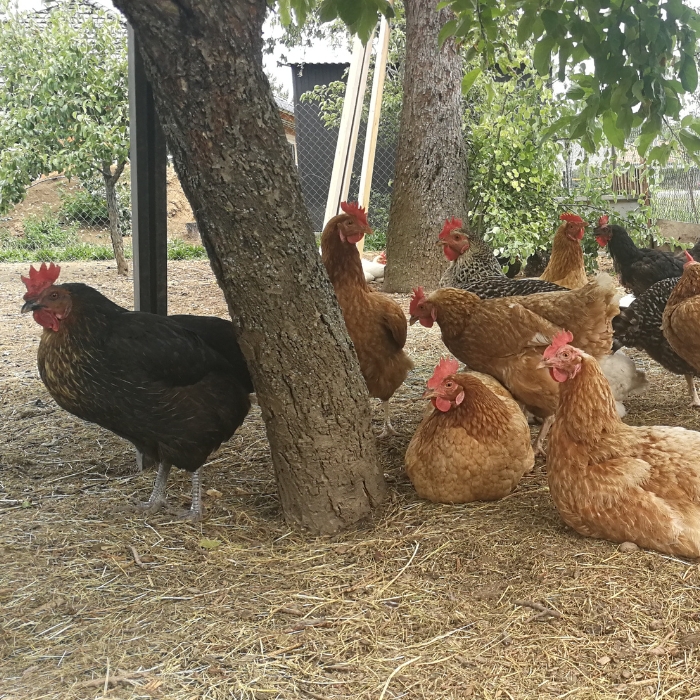
There are several clear signs of heat stress.
Warning Signs: How to Recognize Heat Stress in Your Chickens
Heat stress does not develop overnight, but there are clear and recognizable signs that can help you notice in time when poultry are already struggling with high temperatures.
🟢 GREEN ZONE – Early Warning Signs
This is the initial stage of heat stress. The effects of high temperature are not yet severe, but these symptoms already indicate that the environmental conditions are becoming uncomfortable for the birds.
Increased water intake:
In hot weather, poultry drink significantly more water as a way to cool their bodies. This is fundamentally a good response, as they need additional fluids. However, excessive water intake can “dilute” essential minerals (electrolytes) in their bodies, disrupting internal balance and metabolism. If you observe unusually high water consumption, it is a clear sign that the birds are already struggling with heat.
Reduced feed intake:
In response to heat, poultry reduce their feed consumption because eating generates additional body heat. Lower feed intake leads to insufficient nutrient uptake, which affects growth in broiler chickens, egg production in laying hens, and the overall health of the flock, resulting in weight loss and poor body condition.
Seeking shade:
Birds increasingly move toward cooler, shaded, and better-ventilated areas. This is a natural behavioral response to heat and one of the first signs that the temperature is becoming uncomfortable for them.
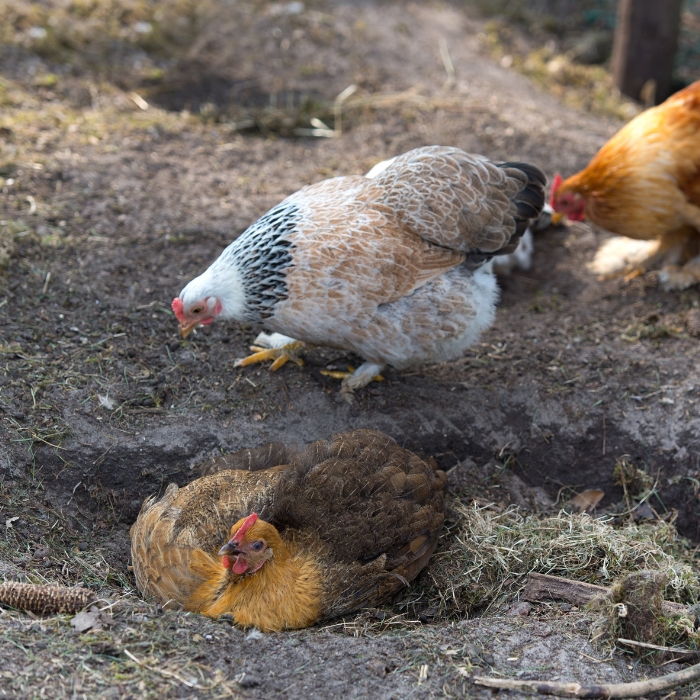
In extreme heat, poultry actively seek out shaded, cooler areas.
🟡 YELLOW ZONE – Clear Signs of Heat Stress
If you observe the following behaviors, it is already a clear indication that the birds are visibly suffering from heat, and immediate intervention is required.
Panting, rapid breathing (open-beak breathing):
In hot weather, poultry breathe faster, often with open beaks, panting in an effort to cool themselves down. This is one of the earliest and most easily recognizable signs of heat stress. If birds remain in this state for an extended period, it indicates that they can no longer regulate their body temperature effectively and urgently need cooling.
Reduced activity:
In high temperatures, poultry noticeably move less, often sitting or lying down to conserve energy and avoid producing additional body heat. While this is a natural response, prolonged inactivity can lead to weakness, reduced appetite, and overall deterioration in condition. If the flock appears lethargic and barely moves, this is already a clear sign of heat stress.
🔴 RED ZONE – Severe Heat Stress
The following symptoms indicate serious heat load and require immediate intervention to avoid major consequences such as mortality.
Raised wings:
Birds hold their wings away from their bodies to increase air circulation and release excess heat. This behavior is a key sign of severe discomfort and heat stress. While it helps with cooling, it also exposes the birds to potential injuries and skin problems.
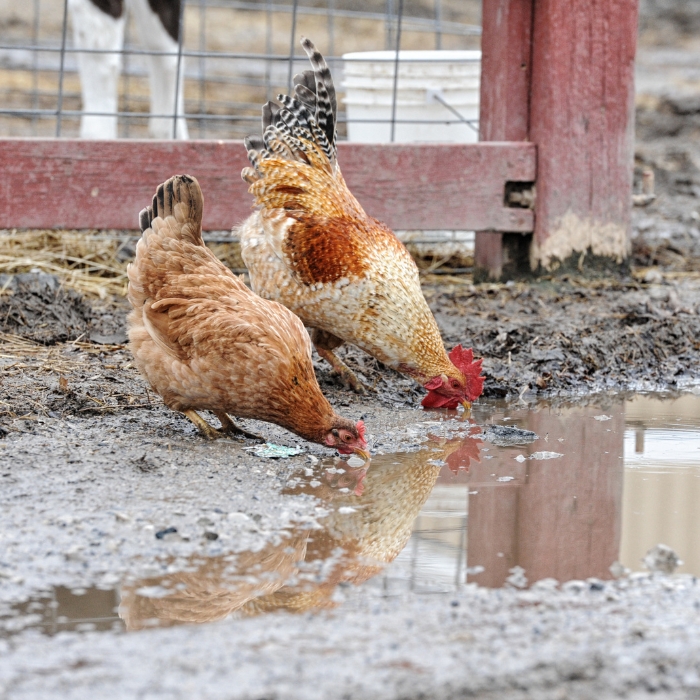
On hot summer days, it is important to provide humidification and a continuous supply of fresh drinking water.
The Cost of Heat Stress: What Heat “Takes Away” from Production
Heat stress not only affects the behavior of poultry, but also directly reduces production performance, which quickly becomes visible in farm profitability.
1. Poorer feed conversion efficiency
Feed conversion efficiency shows how effectively birds turn feed into body mass (meat). Under heat stress, poultry eat less, and the feed they do consume is utilized less efficiently. This means that more feed is required for the same weight gain, increasing costs and reducing overall profitability.
2. Reduced body weight
Due to lower feed intake and poorer nutrient utilization, birds grow more slowly, reach lower final body weights, and more often fall behind expected development targets.
3. Lower meat and egg quality, reduced egg production
Heat stress also affects product quality. Broiler meat may have poorer texture and higher fat content. Laying hens may produce fewer eggs, with thinner shells and reduced internal quality.
What Can You Do for Your Chickens During Summer Heat?
In hot summer conditions, poultry keeping—even in small backyard systems—requires careful attention. You do not need industrial-scale technology to make a real difference: a few simple but consistently applied steps can significantly reduce the effects of heat stress. Below are practical solutions that can be easily implemented in small flocks or backyard settings to help chickens cope better on the hottest days.
1. Proper drinking water supply
- Ensure clean, cool drinking water. In summer heat, water must be easily accessible and cool to encourage drinking (birds tend to avoid lukewarm or warm water).
- Increase the number of drinkers. During extreme heat, more drinking points help ensure that all birds can access water easily.
- Protect water from sunlight. Place drinkers in shaded areas so the water heats up more slowly.
2. Cooling of housing and coops
- Keep the coop as cool as possible. If feasible, place it in a shaded area (e.g., under a tree), and prevent roof overheating (light-colored walls/roof paint and shading can significantly reduce heat buildup).
- Provide shaded areas outside the coop. If birds are kept in a yard or run, ensure they can retreat from direct sunlight (large trees, bushes, or shade cloth can all help).
- Ensure good ventilation. The coop should not have stagnant air; natural airflow or well-managed ventilation is essential without creating drafts.
- Water-based cooling (in extreme heat). Lightly spraying or misting the area around the run can help with evaporative cooling, but avoid soaking the bedding.
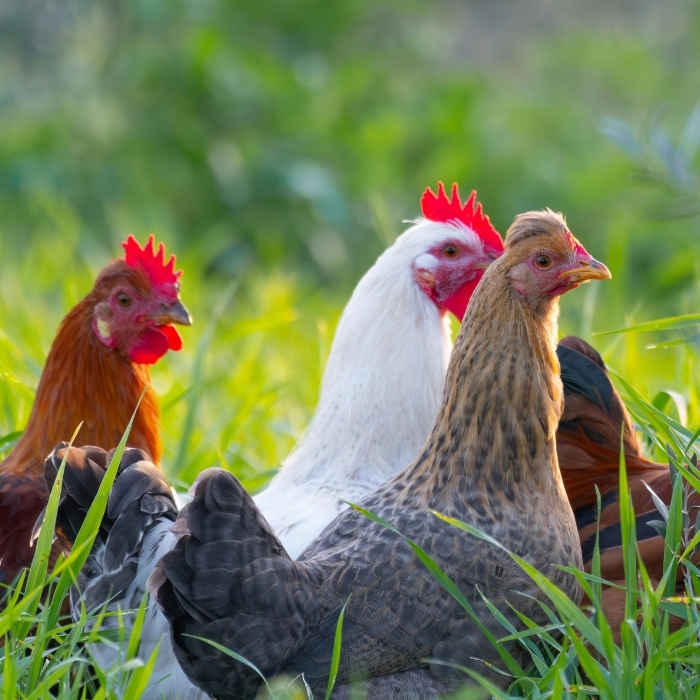
With the right measures, you can make heatwave days much more manageable for your chickens.
3. General management practices for hot weather days
Avoid disturbing chickens during the hottest hours:
During the hottest part of the day (typically from midday to early afternoon), it is best to avoid unnecessary handling or disturbance of the flock. Tasks such as catching, moving, or treatments should be scheduled for the cooler morning or evening hours, when they are far less stressful for the birds.
Avoid overcrowding:
If the coop or run is too crowded, the environment heats up more quickly and birds have more difficulty releasing excess body heat. If possible, provide more space both inside and outside the coop so that each bird has access to shaded and well-ventilated areas.
Closely monitor birds during heatwaves:
Bird behavior provides important clues. Panting, seeking shade, or unusually still and lethargic behavior are clear signs of heat stress. In such cases, immediate intervention is needed (shade, fresh water, improved ventilation).
4. Feeding tips during heat stress
Time feeding correctly:
To encourage better feed intake, offer feed in the early morning and late evening when temperatures are lower.
Reduce corn inclusion in summer:
Corn is an important energy source, but in hot weather it should not be used in high proportions, as its digestion produces significant internal heat. In backyard systems, this does not mean eliminating corn entirely, but rather balancing the diet with other grains, green fodder, and moisture-rich supplements (e.g., cucumber, zucchini).
Provide extra vitamins and trace elements:
During heat stress, it is recommended to supplement feed with an additional 20–30% vitamins and trace elements. Particularly important are vitamins C, E, B2, B6, B12, and selenium. Natural supplements are especially beneficial due to better absorption and utilization.
Offer lighter, moisture-rich feed:
In hot weather, heavy, high-protein, or high-fat diets can place additional strain on the birds. Lighter, more easily digestible and fresh ingredients are preferable. Good options include green fodder, alfalfa, grasses, and safe plant-based kitchen scraps.
Cooling, refreshing feed options:
Chickens readily consume high-moisture foods in hot weather, such as cucumber, zucchini, lettuce, or watermelon rind. These not only refresh the birds but also help increase their fluid intake.
Herbal feed supplements:
Certain medicinal plants (such as Ocimum sanctum, Withania somnifera, and Emblica officinalis) have been shown in multiple studies to help reduce heat stress and mitigate other negative physiological effects in poultry. Today, herbal-based feed additives are available that have been tested under farm conditions and are proven to support stress reduction and improve resilience in poultry.
Why Are Vitamins C and E Important During Summer Heat Stress?
During summer, heat stress increases the vitamin C requirement in poultry, as birds are unable to synthesize sufficient amounts to meet their heightened physiological needs. Vitamin C plays a key role in amino acid and mineral metabolism, as well as in the synthesis of certain hormones. By reducing oxidative stress and supporting immune function, it also helps mitigate the harmful effects of heat stress, making supplementation particularly important during hot weather.
In addition to vitamin C, vitamin E is also essential in poultry nutrition during the summer period. Vitamin E acts as a powerful antioxidant, protecting cells from heat-induced oxidative damage. It also supports immune system function and helps maintain tissue integrity, which is critical for coping with the stress caused by high environmental temperatures.
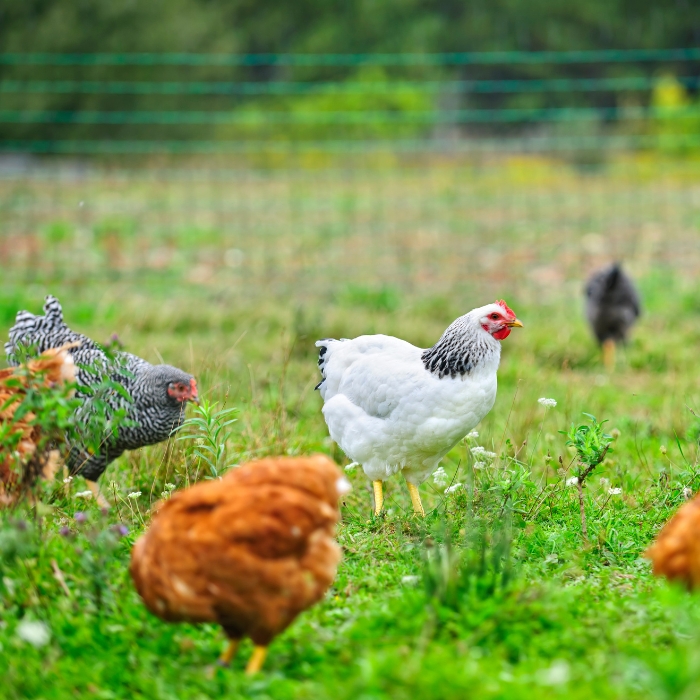
During summer heat, supplementation with vitamin C and vitamin E is essential for poultry.
The Benefits of Natural Vitamins
Natural vitamins have several advantages compared to synthetically produced forms.
- They generally have better bioavailability, as their natural structure is accompanied by a range of supporting compounds that enhance stability and absorption.
- Natural vitamins come from whole food sources and contain a complex of nutrients that act synergistically in the body, improving the effective utilization of the main active compounds.
- In contrast, synthetic vitamins are isolated compounds that lack these supporting molecules, which can result in lower absorption and reduced stability.
For these reasons, incorporating natural vitamin sources into poultry feed can provide broader health benefits, especially during heat-stressed summer months.
Herbal Support Against Heat Stress
Herbal feed additives containing natural vitamin E, vitamin C, bioflavonoids, and plant extracts with antioxidant and stress-resilience properties may, according to numerous studies, help reduce the harmful physiological effects of heat stress in both broiler and laying flocks.
Medicinal plants such as Phyllanthus emblica, Withania somnifera, and Ocimum sanctum—which are included in some popular herbal preparations (such as STRESROAK drinking solution, AYUCEE drinking solution, or AYUSEL E FORTE, alongside other natural active ingredients)—can enhance birds’ ability to cope with heat stress and help maintain productivity through their immune-supporting and antioxidant effects.
By following these simple measures, chickens can tolerate summer heat much better and remain healthier and more active even during the hottest days.
 Spend at least 25,000 HUF and enjoy
 For our human health products, visit our