 Spend at least 25,000 HUF and enjoy
 For our human health products, visit our
Sept
23
2025
14:17
Sept
23
2025
14:17
Red Poultry Mite: It May Take More Than a Year to Get Rid of It
The red poultry mite is one of the most persistent and economically damaging parasites in poultry farming. Most farmers only realize the true severity of an infestation once it has already spread through the flock — and by then, it becomes clear that this is not a problem that can be eliminated quickly.
Practical experience shows that eradicating an established red mite infestation rarely succeeds within just a few weeks. In most cases, it takes 6–12 months, and in severe situations it may take even longer than a year before a flock can be considered free of red mites.
Why Does It Take So Long to Eliminate Red Poultry Mites?
There is a reason why getting rid of red poultry mites can take such a long time. The elimination of this pest is difficult because several factors work strongly in the mites’ favour:
- extremely rapid reproduction,
- a hidden, nocturnal lifestyle,
- high resilience,
- and environmental conditions in poultry housing
all favour their survival. Therefore, successful mite control requires addressing all of these factors together in a coordinated and consistent way.
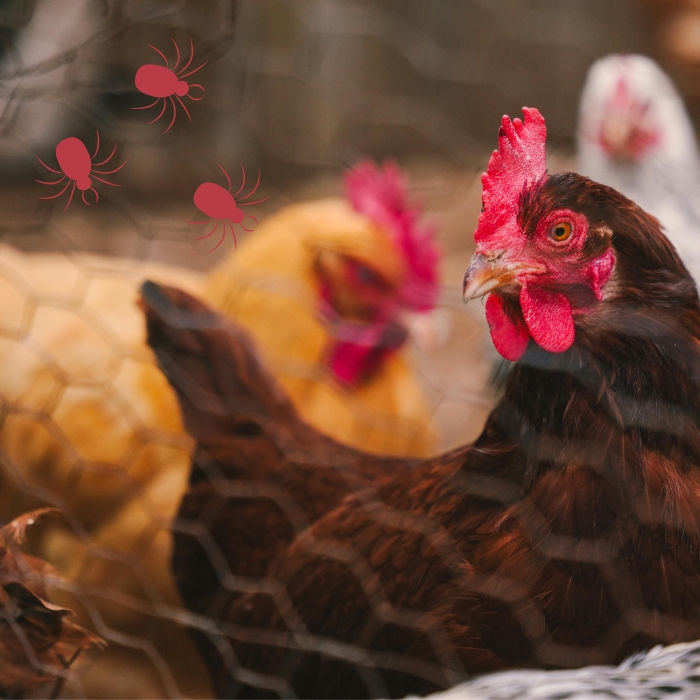
Controlling bird red mites is difficult because several factors simultaneously favor the mites.
Rapid Life Cycle = Constant Reinfestation
One of the most important characteristics of red mites is their exceptionally fast reproductive cycle. Under ideal conditions, the entire development cycle can be completed in as little as one week. This means that by the time one treatment has been applied, a new generation of mites may already have emerged in the flock.
A single female can lay dozens of eggs during her lifetime, and she will continue laying as long as she has access to blood meals. As a result, in favourable conditions red mite populations grow exponentially. If control measures are not continuous and consistent, infestations can rebound extremely quickly.
Hidden Lifestyle = Treatments Often Miss the Mites
Red mites do not live permanently on the birds themselves. During most of the day, they hide in cracks, joints, perch interiors, nesting boxes, and bedding material. This is one of the biggest challenges in controlling them.
Most treatments only affect mites that are actively exposed at the time of application. Eggs, larvae, and nymphs hidden deep in crevices often remain untouched, later restarting the infestation at full force.
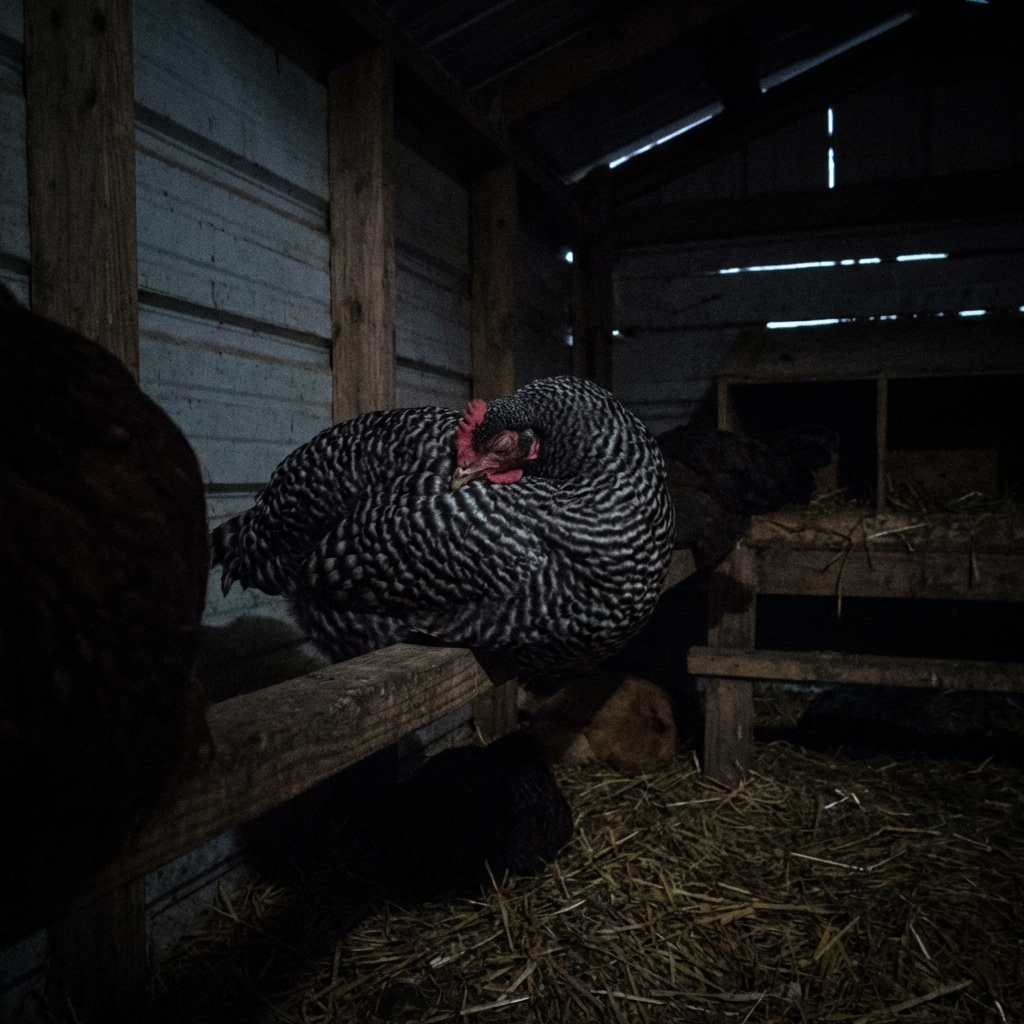
Chicken mites are active at night, when they come out to feed on blood, while during the day they are barely visible.
Nocturnal Activity = Infestations Are Often Underestimated
Red poultry mites are primarily active at night, emerging to feed on blood, while remaining barely visible during the day. This can be misleading: farmers may believe the infestation is minor — or even absent — when in reality a severe outbreak is already present.
Underestimating the infestation often delays intervention, significantly extending the time required for successful eradication.
Long Survival Period Even Without a Host
Red mites can survive for weeks — and under certain conditions even longer — without feeding on blood. In a dormant state, they can endure unfavourable periods and then reactivate rapidly once conditions improve.
This means that:
- mites surviving after partial treatment can remain alive,
- and once conditions become favourable again, they can multiply rapidly.
For this reason, it is almost impossible to eliminate an infestation with a single treatment.
Resistance to Chemicals
In many poultry operations, mites are becoming increasingly less responsive to traditional chemical treatments. This is due to the development of resistance caused by:
- frequent and repeated chemical use,
- which significantly reduces treatment effectiveness.
As a result, chemical control alone is rarely sufficient today. Effective eradication has become a long-term, multi-step process that increasingly relies on natural active ingredients and integrated approaches.
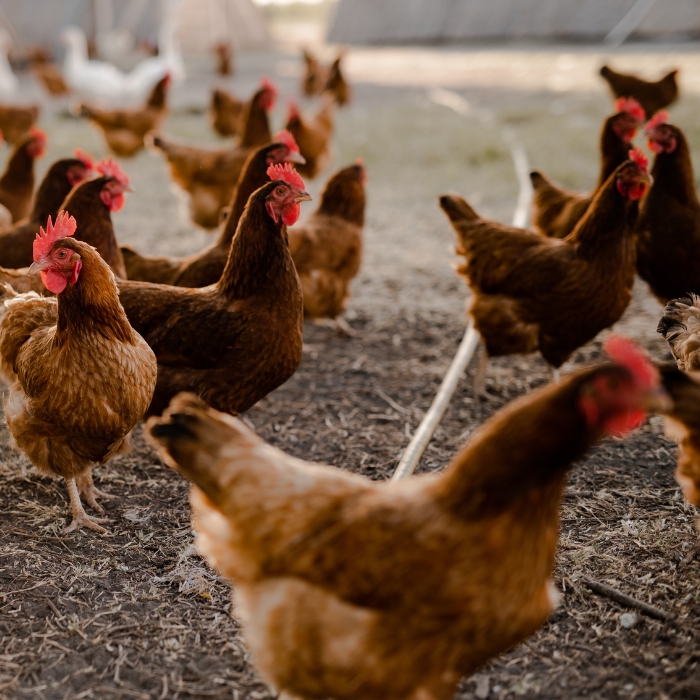
In eradication of red poultry mites, chemical control alone is rarely sufficient nowadays.
Poultry Housing Conditions Favor the Mites
One of the most underestimated factors in mite control is the housing environment itself. Most poultry houses unintentionally provide nearly ideal conditions for the survival and rapid reproduction of mites.
Poultry barns are typically warm, humid, and full of hiding places. Together, these conditions create an environment where mites not only survive, but thrive.
Warm Temperatures Accelerate Reproduction
The reproduction of red mites is highly temperature-dependent. The consistently warm conditions common in poultry production strongly favour rapid reproduction. The warmer the environment, the faster new generations develop. As a result, even a minor infestation can become massive in a very short time.
High Humidity Supports Survival
High humidity also benefits mite survival. In dry conditions, survival rates decline, but in humid environments mites live longer, eggs hatch more successfully, and populations become more stable. This is particularly problematic in enclosed, poorly ventilated housing systems.
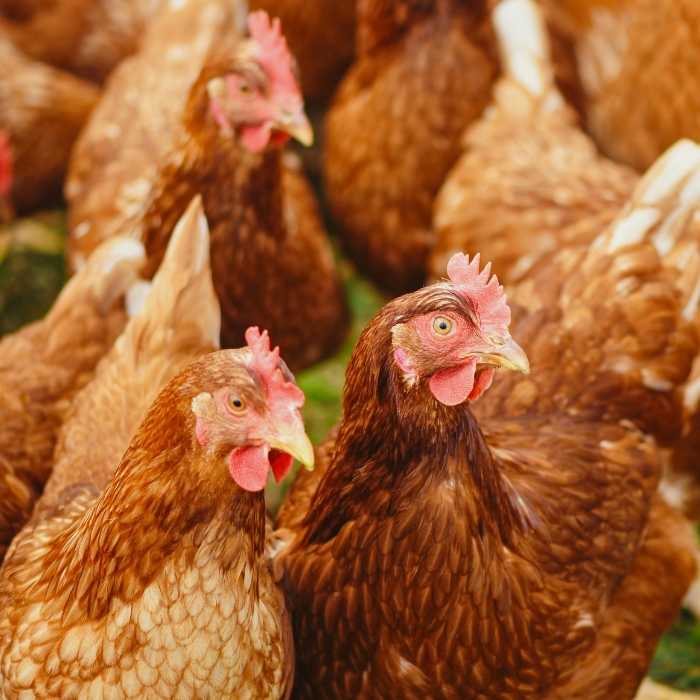
In eradication of red mites, it is crucial that control efforts do not focus solely on the direct elimination of mites, but also on modifying the environment.
Hiding Places Protect the Mites
Red mites do not remain continuously on the birds. Instead, they shelter within their surroundings. Every small crack, crevice, or joint can become a refuge, including:
- perch joints,
- nesting boxes,
- wall cracks,
- and equipment connections.
These locations protect mites from light, dehydration, and often from treatments as well. This is why mites frequently reappear days or weeks after treatment — they were present all along, simply hidden.
Stable Indoor Conditions Remove “Natural Limits”
In nature, weather conditions help regulate mite populations. Cold or dry periods naturally suppress reproduction. Inside poultry housing (especially in commercial flocks), however, there is:
- no cold season,
- no drought,
- and there is a constant food supply in the form of poultry blood.
As a result, there are virtually no natural factors limiting population growth.
What Does This Mean in Practice?
Without deliberate intervention:
- warmth accelerates mite reproduction,
- humidity improves survival,
- and hiding places shield mites from treatment.
This is why successful control must focus not only on killing mites directly, but also on modifying the environment itself. Improving ventilation, lowering humidity, and eliminating hiding places are essential; otherwise, infestations are highly likely to return repeatedly.
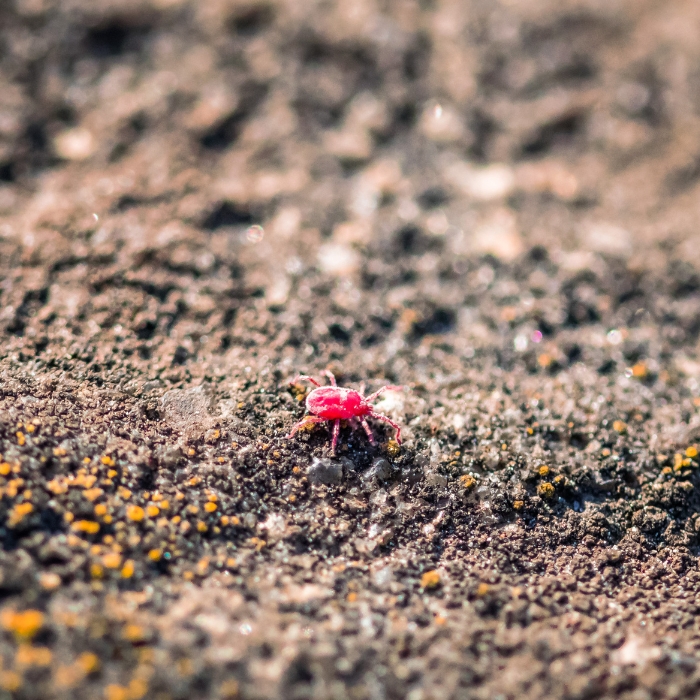
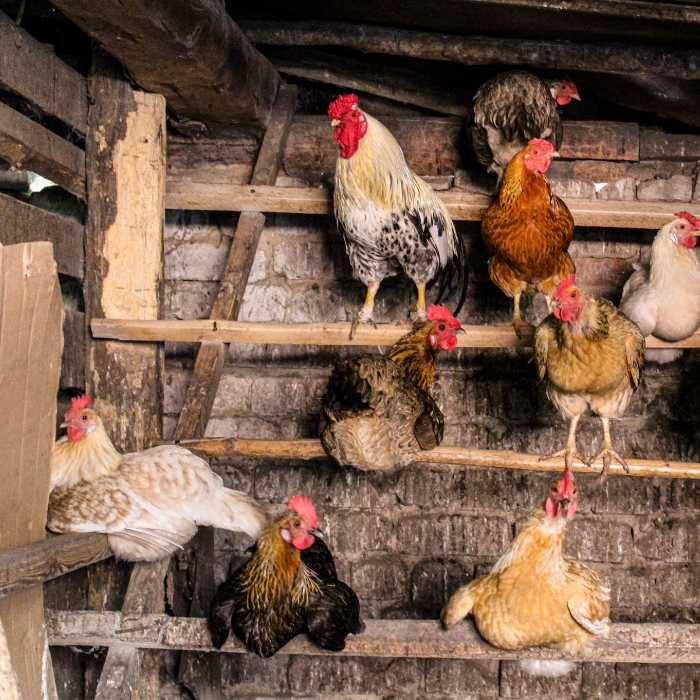
Eradication of red mites from coops or poultry houses may take as long as 6–18 months.
How Long Can Eradication Take?
The duration of red mite control depends on several factors:
- the severity of the infestation,
- housing conditions,
- how quickly intervention begins,
- the methods used,
- and the consistency of the control program.
Typical Timeframes:
- Early-stage infestations: 2–3 months may be sufficient.
- Moderate infestations: 6–12 months are often required.
- Severe or neglected infestations: eradication may take 12–18 months or longer.
What Does Effective Control Look Like in Practice?
Successful eradication of red mite infestation does not rely on a single method. The most effective approach is integrated control — combining multiple strategies simultaneously.
1. Repeated and Properly Timed Treatments
One of the most common mistakes is applying treatment once and waiting for results. This almost always fails.
An effective strategy involves:
- repeated treatments aligned with the mite life cycle,
- regular applications as long as mites remain present,
- and maintenance treatments for several months afterward.
This approach targets newly emerging generations at different developmental stages and greatly increases the chance of complete eradication.
2. Thorough and Regular Cleaning
Good hygiene is fundamental in the fight against mites. Cleaning should include:
- removing organic material from the coop,
- cleaning hard-to-reach areas,
- and regular disinfection.
High-temperature methods such as steam cleaning are especially effective because they can destroy mite eggs as well.
3. Eliminating Hiding Places
If mites can hide, they will return. Therefore, it is essential to:
- seal cracks,
- repair damaged joints and fittings,
- and use surfaces that are easy to clean.
The fewer hiding places remain, the more effective every treatment becomes.
4. Modifying Environmental Conditions
Mites thrive in warm, humid environments. Changing these conditions:
- slows their reproduction,
- and reduces survival rates.
Important measures include:
- improving ventilation,
- reducing humidity,
- and avoiding excessive heat buildup.
5. Combining Multiple Control Methods
Effective control combines:
- chemical treatments, when necessary (using approved acaricides in a targeted and properly timed manner),
- physical methods (thorough cleaning, steam treatment, high heat, elimination of hiding places),
- biological solutions (predatory mites or natural pathogens),
- and natural substances (essential oils, herbal extracts, diatomaceous earth, and herbal feed supplements).
Diatomaceous earth, in particular, is considered a natural and effective option against bird red mites.
6. Continuous Monitoring
Without regular monitoring, infestations can repeatedly return. Recommended practices include:
- using traps,
- performing nighttime inspections,
- and tracking infestation levels over time.
Early detection can save months in the eradication process.
7. Biosecurity
Many red mite infestations are introduced from outside sources. Therefore, it is important to:
- quarantine newly purchased birds,
- disinfect borrowed or externally sourced equipment,
- maintain strict hygiene among workers,
- and prevent contact with wild birds, which may also carry mites.
Without proper biosecurity, red mite infestations may recur repeatedly — even after near-complete eradication.
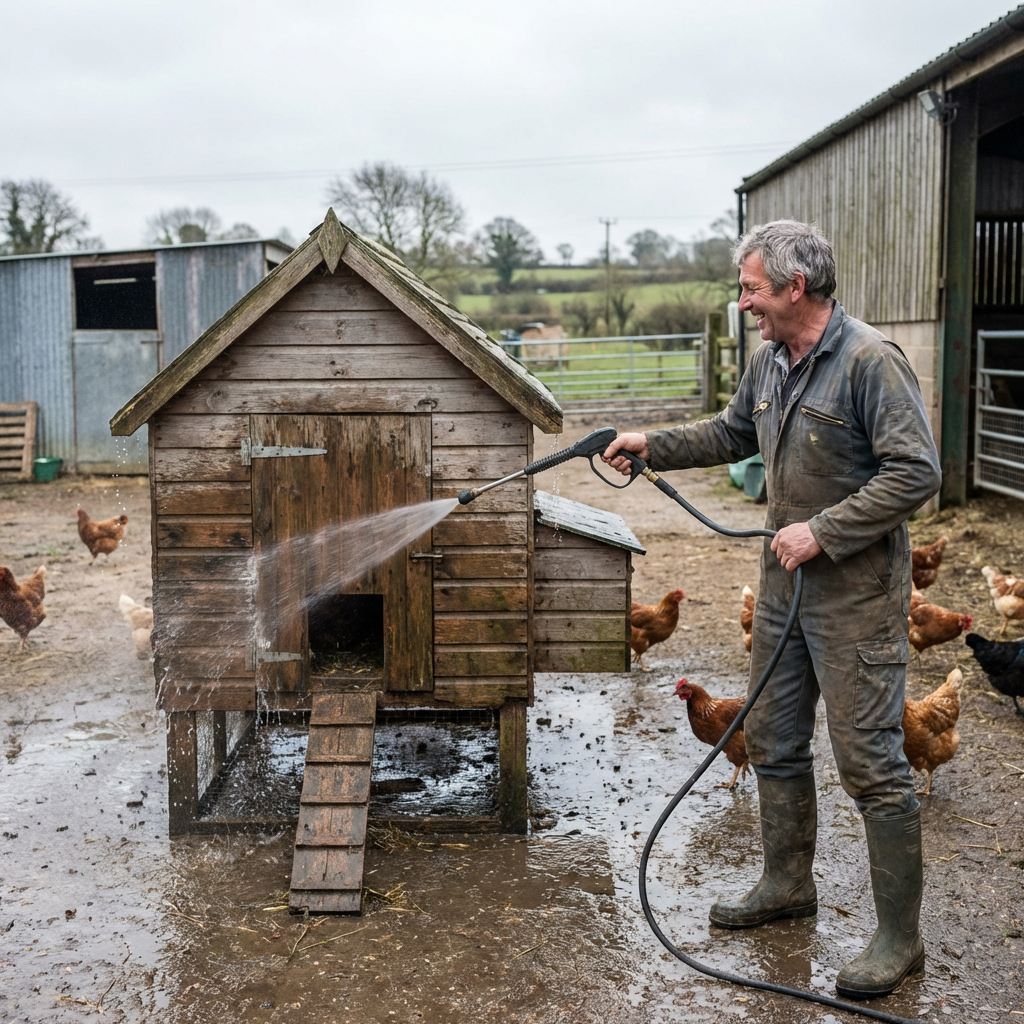
One of the foundations of the fight against bird red mites is hygiene.
Common Mistakes That Prolong Control Efforts
- Applying treatment only once without repetition.
- Treating only the birds while ignoring the environment.
- Leaving hiding places untouched.
- Poorly timed treatments.
- Relying on only one control method.
- Underestimating the severity of the infestation.
These mistakes can prolong the problem by months — or even more than a year.
The Most Important Takeaway
Controlling red mites is not a quick intervention but a long-term, consistent process.
Farmers are most successful when they:
- recognize the problem early,
- combine multiple control methods,
- and continue treatment even after the first signs of improvement.
The reality is that severe infestations may require more than a year of sustained effort. However, with the right strategy, this period can be significantly shortened and the infestation kept under control.
The key to success is not a single “miracle cure,” but a comprehensive and disciplined control system.
Find out more about natural methods to fight red mites!
This article is intended for informational purposes only and does not replace veterinary diagnosis or treatment. For accurate diagnosis and appropriate therapy, consult your veterinarian.