Why do dogs develop allergies?
An allergy develops when a dog’s immune system reacts too strongly to a normally harmless, everyday substance. This may include certain animal or plant proteins, pollen, dust mites, flea saliva, or even specific chemicals. The body mistakenly identifies the allergen as a threat and triggers an inflammatory response.
It is important to know that a dog’s allergies are not always caused by a single factor. In many cases, symptoms appear due to the combined effect of multiple allergens. For example, a dog with a food allergy may be sensitive to chicken while also reacting to house dust mites. Cross-reactivity can also occur, meaning that the immune system reacts to structurally similar allergens. For instance, a dog allergic to chicken may also react to turkey, even though they are different proteins.
Factors that may predispose dogs to allergies include:
- Genetic predisposition: certain breeds (e.g., Golden Retriever, Labrador Retriever, West Highland White Terrier) are more prone to developing allergies.
- Age: environmental allergies typically appear within the first three years of life, while food allergies are more common between 5–7 years of age.
- Environmental factors: dust, pollen, mold, and chemicals.
- Diet and digestion: poor-quality nutrition, additives in dog food, and artificial ingredients may increase the risk of allergic reactions.

Itching and the resulting intense scratching are common symptoms of allergies in dogs.
What symptoms may indicate that your dog has allergies?
Allergy symptoms in dogs most commonly appear on the skin and in the digestive system. The following signs are typical:
- Persistent itching and scratching: The dog compulsively and intensely scratches itself, rubs its skin, and chews its paws. The itching may start mildly but can gradually lead to redness, inflammation, hot spots (red, inflamed, oozing skin lesions), and hair loss.
- Hair loss and skin discoloration: Due to constant scratching and chewing, hair may begin to fall out, and the skin can become discolored. Hyperpigmented patches may also develop.
- Rashes and hot spots: Red, moist, inflamed skin areas may appear, often around the neck, lower back, paw pads, and groin. These so-called hot spots are frequently complicated by secondary bacterial infections.
- Ear infections: Chronic or recurring ear infections are often linked to allergies. The ear may become red, and a foul-smelling discharge may develop in the ear canal.
- Gastrointestinal issues: Diarrhea, increased gas production, bloating, vomiting, and abdominal discomfort can also indicate allergies, especially in the case of food allergies.
- Paw licking: Constant licking or chewing of the paws is often one of the first signs of skin allergies. In light-colored dogs, reddish-brown discoloration of the paws may be visible due to saliva staining.
- Eye and nasal discharge, sneezing: Less common symptoms, but they can occur with environmental allergies, especially to pollen or mold.
- Coughing and respiratory symptoms: Although less common in dogs, dry coughing and difficulty breathing can also be signs of an allergic reaction.
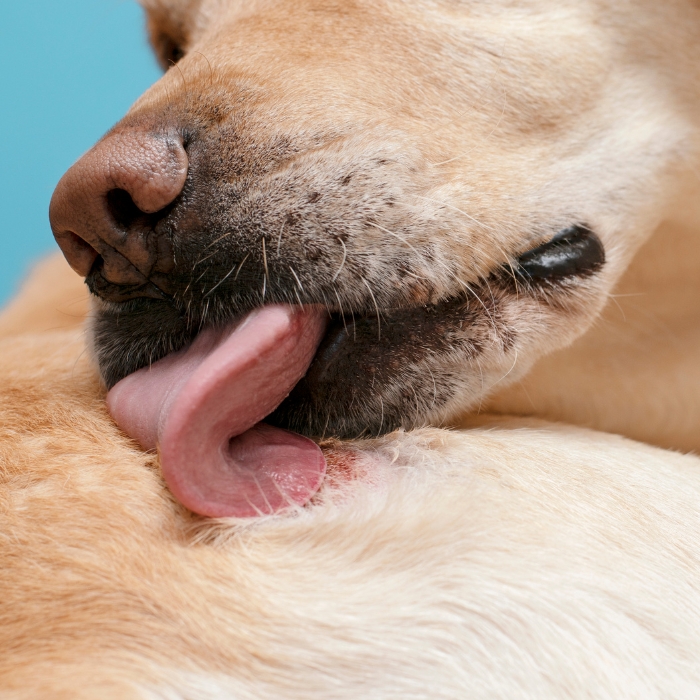
Red, oozing patches may appear on the dog’s skin, which can easily become infected.
What are the main types of allergies in dogs?
Allergies in dogs can originate from a variety of sources, and in many cases there is more than one triggering factor involved. Below are the most common types of allergies, along with their key characteristics, symptoms, and important considerations.
1. Food allergies
Food allergies occur when a dog’s immune system overreacts to a specific dietary ingredient—most commonly a protein. The issue often develops because dogs are fed the same ingredients over long periods, which can eventually lead to sensitization.
Most common allergens:
- chicken
- beef
- dairy products
- eggs
- soy
- grains (e.g., wheat, corn, rice)
Symptoms:
- persistent itching, especially around the ears, paws, and face
- redness, inflammation, and hair loss
- recurring ear infections
- digestive issues (diarrhea, vomiting, bloating)
What can you do?
One of the most effective diagnostic approaches is an elimination diet, during which the dog is fed only a single novel protein and carbohydrate source for 6–8 (or even 8–12) weeks—ingredients it has never consumed before.
Careful monitoring of symptoms, followed by gradual reintroduction of individual ingredients, can help identify the specific allergen.
In some cases, a veterinarian may recommend a specialized hypoallergenic diet.
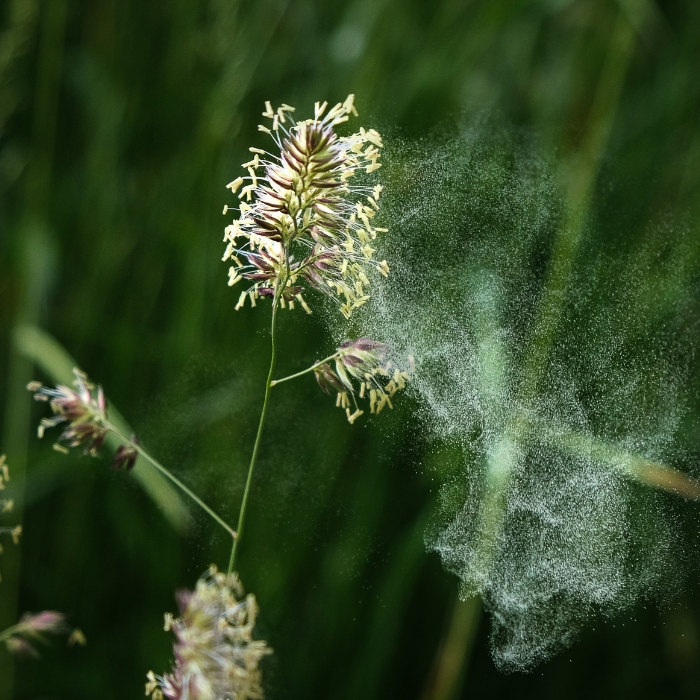
Many dogs are allergic to pollen, including ragweed pollen.
2. Environmental allergy (atopic dermatitis)
Environmental allergies—also known as atopy—are reactions to allergens that are inhaled or come into contact with the skin. This is also very common in dogs and may occur seasonally, although in some cases it can persist year-round.
Common allergens:
- pollen (trees, grasses, weeds, e.g. ragweed)
- house dust mites
- mold spores
- chemicals and cleaning agents
When does it occur?
- Seasonally (e.g. spring–summer or early autumn during pollen season)
- Year-round (e.g. in the case of dust mites)
Typical symptoms:
- itching (especially on the paws, abdomen, and armpits)
- paw licking and chewing
- redness and skin irritation
- watery eyes, and in some cases sneezing
Tips to help relieve symptoms:
- regular vacuuming to reduce indoor dust exposure
- keeping the home and dog house free of mold
- frequent washing of bedding with hypoallergenic detergent
- using gentle, skin-soothing shampoos
- omega-3 fatty acids to support skin health
- in more severe cases, veterinary treatment or immunotherapy
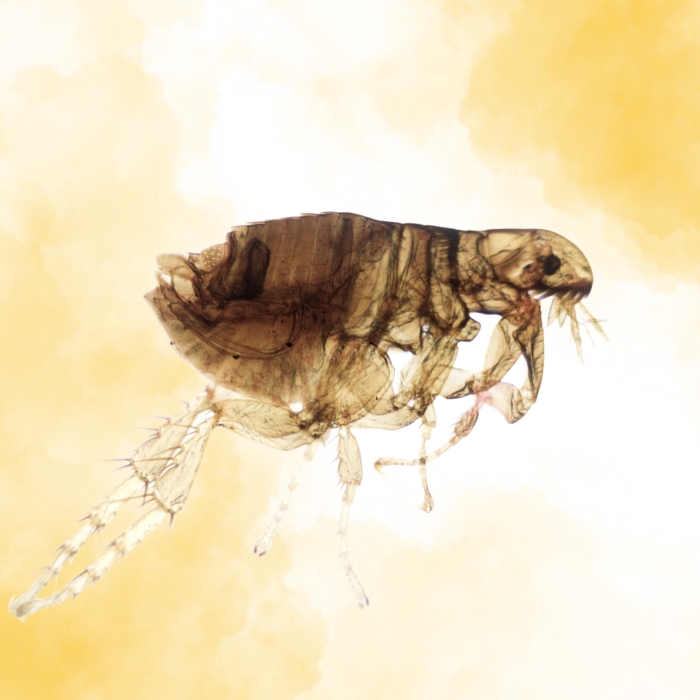
Flea saliva allergy is one of the most common allergic skin conditions in dogs.
3. Flea saliva allergy (FAD)
Flea saliva allergy is one of the most common allergic skin diseases in dogs. It is important to understand that it is not the presence of fleas itself that causes the problem, but rather the saliva injected into the skin during a bite. Even a single flea bite can trigger a strong allergic reaction, meaning the dog does not need to be heavily infested to show symptoms.
Typical symptoms:
- intense itching and scratching
- itching, especially at the base of the tail and lower back
- redness and skin lesions
- hair loss
- frequently developing hot spots
Important to know:
Scratching and self-trauma can easily lead to secondary infections caused by bacteria or fungi.
Prevention:
- year-round flea control (spot-on treatments, oral tablets, collars)
- keeping the dog’s environment clean, regular inspection and grooming
4. Contact allergy (contact dermatitis)
Contact allergy occurs when a dog’s skin comes into direct contact with an irritating or allergenic substance. This usually causes localized symptoms, meaning the reaction appears exactly where the allergen has touched the skin.
Common triggers:
- cleaning products and detergents
- plastic beds or bowls
- synthetic fabrics
- collar or harness materials
- certain metals (e.g., nickel)
Symptoms:
- redness
- itching
- hair loss in the affected area
- mild inflammation or irritation
What can you do?
- switch to mild, fragrance-free cleaning products
- use natural materials for bedding and accessories
- observe what regularly comes into contact with your dog’s skin
- seek veterinary treatment if necessary
5. Autoimmune and rarer allergic reactions
In rarer cases, a dog’s immune system may not react to external allergens but instead mistakenly attacks its own cells. These so-called autoimmune diseases can sometimes resemble allergic conditions in their symptoms.
Typical symptoms:
- widespread skin inflammation
- sores and ulcers
- hair loss
- general lethargy or reduced energy
These conditions require comprehensive diagnostic work and targeted veterinary treatment. If such symptoms are suspected, it is essential to consult a veterinarian as soon as possible.

Allergies can significantly affect a dog’s overall well-being.
6. Drug allergies
Dogs can also, in some cases, develop allergic reactions to certain medications. These reactions usually appear suddenly and can be difficult to recognize at first, as the symptoms are often similar to those of other conditions. The allergic response is triggered by the body’s hypersensitivity to a specific active ingredient.
Common triggers:
- antibiotics
- painkillers
- vaccines (rarely)
- dewormers or other veterinary medications
Symptoms:
- sudden onset of itching
- redness and swelling
- hive-like skin reactions
- vomiting and diarrhea
- in severe cases, difficulty breathing (anaphylactic reaction)
Important to know:
- Symptoms often appear shortly after the medication is administered.
- If such a reaction is observed, immediate veterinary attention is required.
- In the future, the specific active ingredient should be avoided.
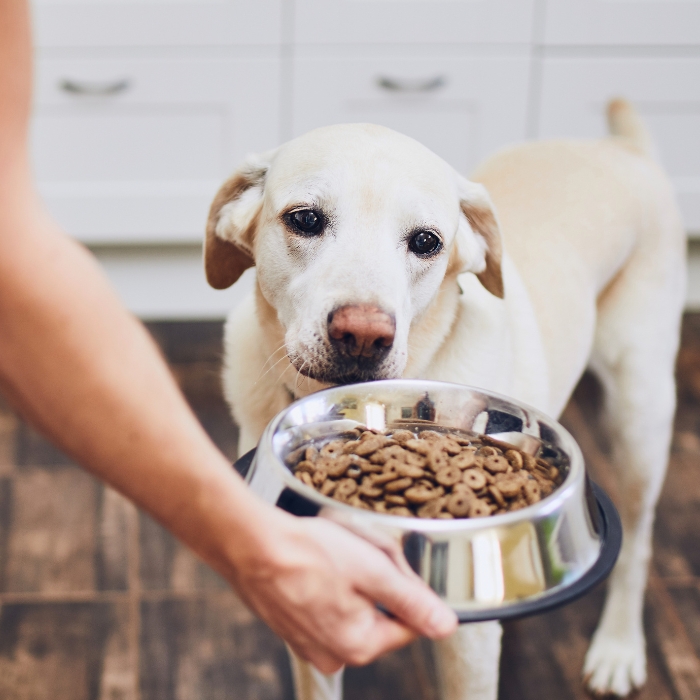
Food allergies are becoming increasingly common in dogs and should not be confused with food intolerances.
Food allergy or food intolerance? Understanding the difference
The digestive symptoms listed above do not always mean that your dog has an allergy. In many cases, the underlying cause may simply be a digestive disorder or food intolerance. Many dog owners confuse food allergy with food intolerance, even though it is important to clearly distinguish between the two. But what exactly is the difference, and how can you recognize them in your dog?
Food intolerance
In the case of food intolerance, the dog’s body is unable to properly digest certain nutrients or ingredients in food. Unlike allergic reactions, the immune system is not involved, and no inflammatory or immune response is triggered. The problem is usually related to the digestive system—for example, insufficient enzyme production to break down lactose or other components, or sensitivity to certain additives, artificial colorings, or preservatives.
Symptoms of food intolerance:
- diarrhea
- bloating
- excess gas
- nausea
- vomiting
- stomach discomfort
- loss of appetite
In summary, food intolerance does not involve an immune response or inflammation. In most cases, symptoms resolve once the offending ingredient is removed from the diet.
Food allergy
Food allergy, on the other hand, is an overreaction of the dog’s immune system to certain proteins, such as chicken, fish, eggs, or other protein sources. In these cases, the body mistakenly identifies the ingredient as a threat and triggers inflammatory processes, leading to a range of often visible symptoms.
Symptoms of food allergy:
- itching
- hair loss
- redness and skin inflammation
- diarrhea
- ear infections
It is important to know that because the immune system continuously reacts to the allergen, symptoms can become chronic and may affect multiple organ systems. Food allergies do not resolve on their own, which is why accurate diagnosis and an appropriate diet that eliminates the triggering proteins are essential.
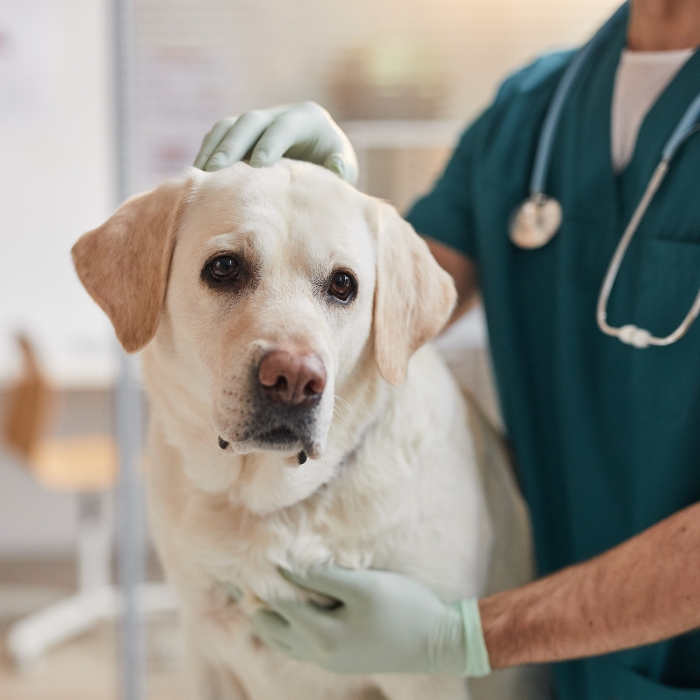
Your veterinarian can help identify the allergen if your dog is suspected of having an allergy.
How is allergy testing performed in dogs?
Determining the exact cause of allergies in dogs is not always a straightforward process, as symptoms can be triggered by many different factors and often appear in very similar ways. Therefore, allergy testing typically involves a multi-step process aimed at narrowing down possible causes and identifying the specific allergen.
The first step is always a thorough veterinary examination, during which the veterinarian asks the owner about the dog’s symptoms, diet, lifestyle, and when the issues first appeared. This information alone can already provide important clues about the direction of further investigation.
This is often followed by a so-called exclusion (or elimination) diagnosis. During this phase, the veterinarian first rules out other conditions that can cause similar symptoms, such as:
- flea infestations or other parasites
- bacterial or fungal skin infections
- hormonal or metabolic disorders
If these are not confirmed, more targeted allergy testing can begin.
In cases of suspected food allergies, the most reliable method is an elimination diet. During this process, the dog is fed only a novel protein source—something it has never eaten before—for several weeks (usually 6–8 weeks). If symptoms improve and then reappear after reintroducing a specific ingredient, it helps identify the allergen.
For environmental allergies, different tests may be used:
- blood tests, which can indicate sensitivity to multiple allergens
- intradermal skin testing, where small amounts of allergens are injected into the skin and reactions are observed
It is important to note that these tests do not always provide a definitive answer, so results must always be interpreted together with clinical symptoms.
Allergy testing is therefore not a single quick test but a complex, time-consuming process. However, an accurate diagnosis is crucial, as it is the only way to effectively manage a dog’s allergies long-term and prevent recurring symptoms.
How can allergies in dogs be treated?
The treatment of allergies in dogs always depends on what is triggering the symptoms. Since in many cases there is more than one underlying cause, treatment often involves multiple steps and requires long-term attention. The primary goal is not only to relieve symptoms, but also to identify and, where possible, eliminate the cause.
1. Identifying and avoiding the allergen
The most effective solution is always to determine what is causing the allergy and keep the dog away from that substance.
This may include:
- dietary changes in the case of food allergies
- flea prevention for flea allergy dermatitis
- reducing environmental allergens (dust, pollen, chemicals)
However, complete avoidance is not always possible—for example, in the case of pollen or dust mites.
2. Special diet and nutrition
Diet plays a key role in managing food allergies.
Possible solutions include:
- hypoallergenic diets
- novel protein sources (e.g., lamb, rabbit, fish)
- additive-free nutrition
An elimination diet is not only a diagnostic tool but also a therapeutic one, as it often leads to significant improvement on its own.
3. Medication
For more severe or persistent symptoms, a veterinarian may recommend medication.
Commonly used treatments include:
- antihistamines (to reduce itching)
- anti-inflammatory drugs (e.g., steroids)
- immunomodulatory medications
Important: these should only be used under veterinary supervision, as improper use may cause side effects.
4. Skin care and topical treatment
Since allergies often cause skin symptoms, proper skin care is essential.
Helpful measures include:
- regular bathing with soothing, veterinary shampoos
- removing allergens from the coat (e.g., pollen)
- using moisturizing and skin-protective products
This can be especially helpful in environmental allergies.
5. Environmental management
Keeping the dog’s environment clean can significantly reduce allergic symptoms.
It is worth paying attention to:
- frequent vacuuming
- regular washing of bedding
- using fragrance-free, gentle cleaning products
- reducing dust mites and mold
These may seem like small steps, but they can make a big difference long term.
6. Immunotherapy (desensitization)
In some cases, veterinarians may recommend allergen-specific immunotherapy.
This involves gradually exposing the dog to small amounts of the allergen so the immune system becomes less reactive over time.
Important notes:
- long-term treatment (months or even years)
- not effective in all cases
- can provide lasting improvement
7. Supportive care
Certain natural ingredients and supplements may also help reduce symptoms and support the immune system.
Common supplements include:
Allergy treatment is not based on a single “miracle solution,” but rather a structured, multi-step process. Success depends on identifying the cause, consistent treatment, and attentive care from the owner.
With proper management, allergic dogs can experience significant relief and return to a comfortable, balanced life.
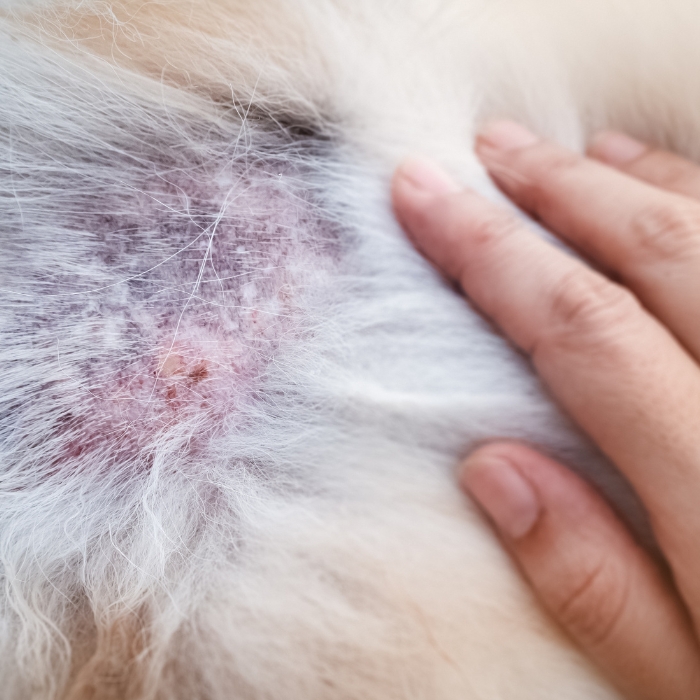
A common sign of allergies is irritated, inflamed, and broken skin, which as a dog owner it is important to notice.
What can you do as a dog owner?
Keep an allergy diary!
Record:
- When symptoms appear
- What food your dog has eaten
- What environments your dog has been exposed to
Observe your dog carefully
- Check the skin and coat daily
- Pay attention to the paws, ears, and groin area
- Note the severity and frequency of symptoms
Natural support options
- Allergen-removing baths: use a pH-balanced, soothing dog shampoo to remove pollen, dust, and flea saliva
- Skin-soothing products: aloe vera or chamomile-based preparations
- Protective collar (e-collar): to prevent self-inflicted injuries from scratching
- Herbal supplements: can help reduce itching and inflammation
Facts and myths about dog allergies
1. Myth: “A dog will outgrow allergies.”
Fact: Allergies are usually chronic, although symptoms can be managed and significantly reduced.
2. Myth: “Only chicken causes food allergies.”
Fact: No—other proteins and ingredients can also trigger allergic reactions.
3. Myth: “Antihistamines solve everything.”
Fact: They may help reduce symptoms, but they do not eliminate the underlying cause.
4. Myth: “A dog is only allergic if it sneezes.”
Fact: In reality, most allergy symptoms appear on the skin and in the digestive system.
Scratching in dogs can have many causes beyond allergies. Read more about what might be behind excessive scratching in dogs!
This article is for informational purposes only and does not replace veterinary examination or treatment. For an accurate diagnosis and appropriate therapy, please consult your veterinarian.
 Spend at least 25,000 HUF and enjoy
 For our human health products, visit our