How Seasonal Changes Affect the Respiratory System
A pigeon’s respiratory system is remarkably efficient, yet extremely sensitive. During flight, pigeons must absorb enormous amounts of oxygen. Their lungs and air sacs operate almost continuously and far more intensively than those of many other animals. However, this also means they react quickly to even the smallest environmental changes.
When temperatures suddenly drop, humidity rises, or air quality inside the loft deteriorates, this delicate balance can easily be disrupted. Over time, these conditions place stress on the immune system and open the door to bacterial, viral, and fungal infections. Sooner or later, respiratory problems usually begin to appear in the loft.
It is important to understand that seasonal stress is more than just a minor discomfort for birds. It actually creates ideal conditions for respiratory disease to develop. Recognizing this is the first step toward effective prevention.
Key Environmental Stressors Affecting Respiratory Health
Every seasonal transition brings its own challenges. Together, these factors weaken the pigeons’ natural defenses and create ideal conditions for bacteria, viruses, and fungi to thrive.
- Cold air: Cold, dry air dries out the respiratory tract and thins the protective mucous layer that normally traps dust and pathogens. Once this protective barrier weakens, infections can spread much more easily into the lungs and air sacs.
- Condensation and humidity: Wet bedding, condensation, and poor loft drainage create an ideal environment for bacteria, mould and fungi to multiply. Pigeons inhale these pathogens constantly, increasing the risk of infections like aspergillosis.
- Sudden weather changes: Rapid temperature swings—warm one day, freezing the next—shock the pigeons’ system. These fluctuations weaken the immune response, allowing otherwise mild pathogens to cause serious illness.
- Wind and drafts: Cold drafts don’t just chill the birds; they force airborne pathogens straight into the respiratory tract. Drafty lofts are one of the most common triggers of chronic respiratory disease outbreaks.
- Poor loft ventilation: Without proper airflow, ammonia from droppings and airborne dust accumulate inside the loft. These irritate the nasal passages and lungs, cause inflammation, and greatly increase the risk of secondary infections.
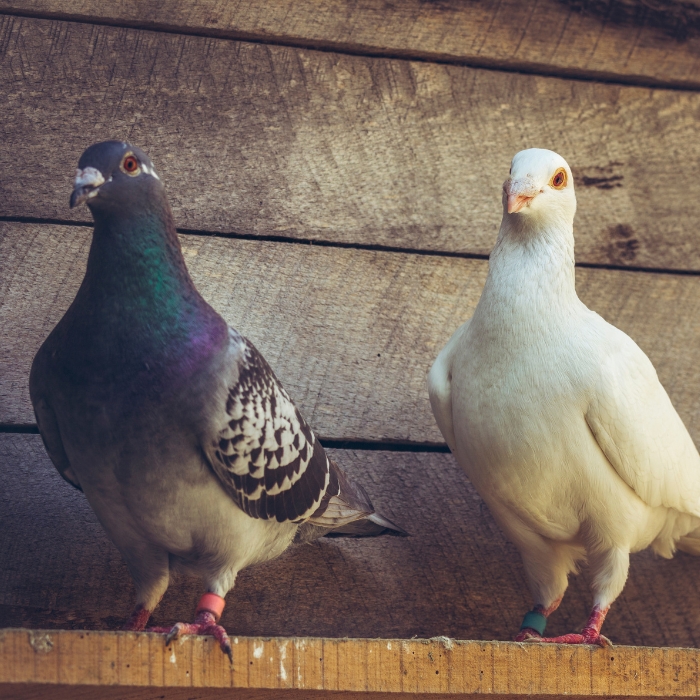
When temperatures suddenly drops, humidity rises, or air quality inside the loft deteriorates, the delicate balance of the pigeon's respiratory system can easily be disrupted.
How These Stressors Lead to Chronic Illness?
Individually, these factors can be harmful. Combined, they create the perfect storm for respiratory disease. When irritation, inflammation, and immune suppression persist for weeks or months, pigeons become highly susceptible to long-term conditions like Chronic Respiratory Disease (CRD), ornithosis, and fungal infections.
With no intervention, seasonal stress gradually erodes respiratory health, reduces race performance, weakens breeding outcomes, and increases overall mortality. Prevention, therefore, is not optional—it is essential for maintaining a healthy, high-performing loft year-round.
Common Seasonal Respiratory Diseases in Pigeons
Seasonal changes aren’t just inconvenient—they can seriously challenge a pigeon’s immune system. Cold drafts, humidity, and sudden temperature swings create perfect conditions for respiratory diseases to flare up. Let’s take a closer look at the most common illnesses, their signs, and their typical course.
1. Chronic Respiratory Disease (CRD)
- Cause: CRD is primarily a Mycoplasma infection, often triggered or worsened by cold drafts, damp conditions, or nutritional stress.
- Symptoms: Its symptoms include sneezing, nasal discharge, gurgling noises, open-mouth breathing, reduced stamina, and poor flight performance.
- Duration: CDR can last weeks to months; chronic cases may persist lifelong without proper management.
- Mortality Rate: Generally low in adult pigeons if treated, but young or stressed birds may experience higher mortality (up to 20% in severe outbreaks).
- Infectiousness: Highly contagious through direct contact, shared water, or contaminated loft surfaces.
- Notes: CRD is a leading cause of decreased race performance, often flaring up during cold, damp periods.
2. Ornithosis (Chlamydia psittaci)
- Cause: Ornithosis is a bacterial infection spread through inhalation of dried faeces, dust, or secretions from infected birds; overcrowding and damp conditions accelerate spread.
- Symptoms: This illness is characterised by watery eyes, swollen eyelids, green or watery droppings, lethargy, reduced appetite, and sometimes respiratory distress.
- Duration: The symptoms may appear within 5–15 days of exposure; untreated cases can last several weeks and may become chronic.
- Mortality Rate: Moderate; untreated cases may have up to 30% mortality, particularly in young or stressed pigeons.
- Infectiousness: Ornithosis is highly contagious; it can spread quickly in humid months like spring and autumn. Humans can also contract the disease (psittacosis), so proper hygiene is essential.
- Notes: Rapid isolation and treatment are crucial to prevent loft-wide outbreaks.
3. Aspergillosis
- Cause: Aspergillosis is a fungal infection caused by inhaling spores from mouldy feed, damp bedding, or poorly ventilated lofts.
- Symptoms: Its symptoms are laboured breathing, wheezing, lethargy, weight loss, decreased appetite, and occasional sudden death in severe cases.
- Duration: Acute cases may last 1–2 weeks; chronic cases can persist for months if environmental conditions are not corrected.
- Mortality Rate: Can be high, especially in young, stressed, or immunocompromised birds (up to 50% in severe loft conditions).
- Infectiousness: Aspergillosis is not directly contagious from bird to bird, but environmental spores can infect multiple birds sharing the same loft.
- Notes: Aspergillosis often emerges after prolonged wet weather or in lofts with poor airflow and hygiene.
4. Mixed Respiratory Infections
- Cause: Seasonal stress can weaken immune defences, allowing secondary infections from bacteria like E. coli, Staphylococcus, or Pasteurella to complicate existing respiratory disease.
- Symptoms: Highly variable, including weakness, nasal discharge, coughing, respiratory noise, delayed recovery, and sudden deterioration.
- Duration: Can last several weeks, with relapses common if stressors persist.
- Mortality Rate: Variable; severe or untreated cases can have significant mortality, particularly in young or already ill birds.
- Infectiousness: Depends on the pathogens involved; many bacteria can spread rapidly through contact and shared resources.
- Notes: Mixed infections often complicate treatment and slow recovery, making early intervention and supportive care critical.
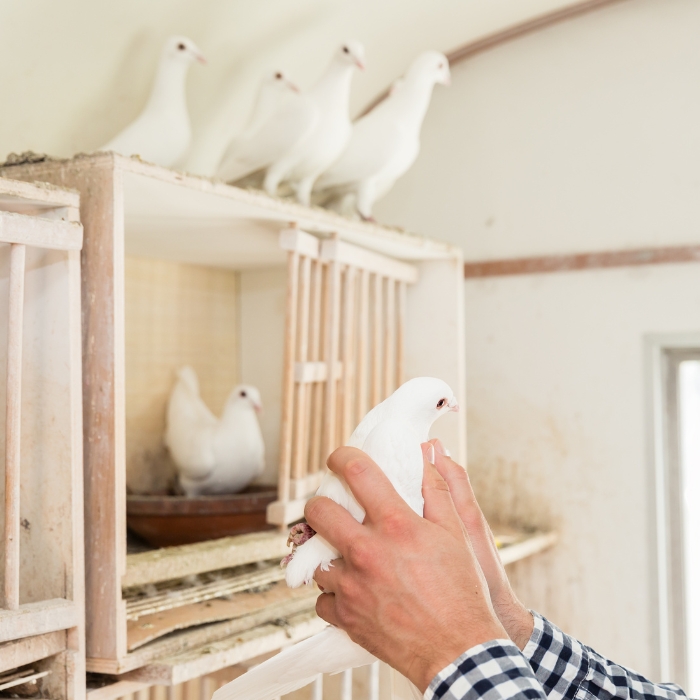
Prevention is a must. With no intervention, seasonal illnesses can gradually erode respiratory health, reduce race performance and weaken breeding outcomes.
Early Signs of Respiratory Problems in Pigeons You Should Never Ignore
With respiratory disease, timing is critical. The sooner you notice a problem, the easier it is to stop it before it spreads through the entire loft. Respiratory illnesses often begin with subtle signs rather than dramatic symptoms, which is why regular observation is so important.
You should suspect the early stages of respiratory disease if you notice:
- noisy breathing (whistling, rattling, wheezing),
- reduced activity or reluctance to fly,
- clear, whitish, or yellow nasal discharge,
- swelling, tearing, or discharge around the eyes,
- decreased appetite or water intake,
- changes in droppings,
- weight loss despite normal feeding.
If these signs are recognized early and immediate action is taken — such as isolation, improving loft air quality, and seeking veterinary help when necessary — there is a good chance of preventing the disease from worsening or spreading further.

The sooner you recognise the signs of respiratory illnesses, the better the outcome will be.
How to Prevent Respiratory Illness in Pigeons Year-Round
1. Create a Warm, Draft-Free Yet Well-Ventilated Loft
Air quality inside the loft is crucial:
- seal gaps to eliminate cold drafts,
- ensure proper ventilation and air exchange,
- use dry, absorbent bedding and replace it regularly,
- install wind barriers if necessary and avoid exposing the loft entrance to strong winds.
Tip: Proper ventilation removes ammonia and dust without excessively cooling the loft.
2. Strengthen the Immune System with Smart Nutrition
Good prevention starts with proper feeding:
- provide high-quality, energy-rich feed,
- supplement Vitamins A, D, and E (especially during autumn and winter),
- use antioxidants such as Vitamin C and selenium to reduce stress,
- support gut health and immunity with probiotics,
- increase the proportion of oily seeds (sunflower, hemp, safflower) during cold weather.
Tip: Omega-3 fatty acids help reduce inflammatory processes.
3. Preventative Treatment During High-Risk Seasons
During autumn and early spring, it is especially important to:
Warning: Antibiotics should only be used when truly necessary and under veterinary supervision. Preventive “just in case” treatments often do more harm than good by encouraging antibiotic resistance.
4. Monitor Birds Weekly
Once a week, carefully observe the flock:
- listen to their breathing,
- check the nostrils and eyes,
- monitor body weight to detect hidden weight loss,
- observe flight enthusiasm and activity levels.
Tip: Small abnormalities and mild symptoms are often early warnings of bigger problems.
5. Seasonal Veterinary Screening
Especially recommended in autumn and spring:
- PCR tests for Mycoplasma and Chlamydia
- Crop swabs for Trichomonas
- Faecal testing for worms and coccidia
- Fungal cultures if humidity is a problem
Diagnostic testing saves money and birds by targeting treatment precisely.
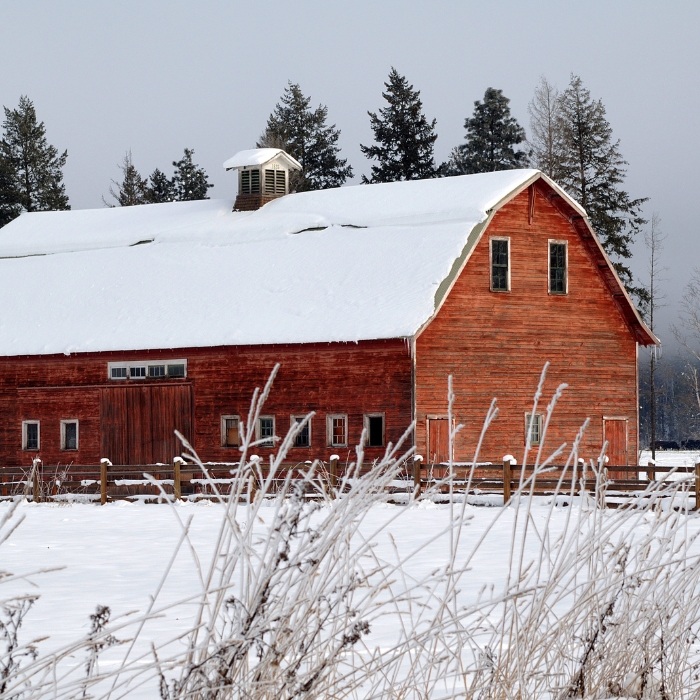
Preventing steps and monitoring can save your flock from serious, lasting consequences.
Seasonal Checklist for Respiratory Health
Winter
- Seal drafts.
- Provide insulation.
- Increase energy-rich feed.
- Supply natural vitamins A, D3, E.
- Use herbal feed additives for immune support and for respiratory support.
- Provide lukewarm drinking water and protection against mites.
Spring
- Deep-clean loft.
- Disinfect nest boxes.
- Provide electrolytes during temperature swings.
- Use herbal feed additives for immune support and for respiratory support
- Test breeding stock for Mycoplasma & Chlamydia.
Summer
- Ensure shade and good airflow.
- Add electrolytes, natural vitamins and herbal anti-stress additives.
- Keep bedding dry to prevent fungal growth.
- Avoid racing during extreme heat.
Autumn
- Start respiratory-support program.
- Replace bedding frequently.
- Supplement with garlic, apple cider vinegar, selenium, vitamin C and herbal supplements.
- Prepare loft for winter weather.
Keep Your Pigeons One Step Ahead of Seasonal Challenges
We cannot stop the changing of the seasons — but we can prevent many respiratory diseases. Through thoughtful loft management, proper nutrition, early detection, and preventive care, many illnesses can be avoided.
Healthy lungs mean:
- better racing performance,
- stronger breeding results,
- and a stable, resilient flock.
Stay one step ahead of the season — and your pigeons will stay one step ahead of the competition.
This article is intended for informational purposes only and does not replace veterinary diagnosis or treatment. For an accurate diagnosis and appropriate therapy, always consult your veterinarian.
 Spend at least 25,000 HUF and enjoy
 For our human health products, visit our

