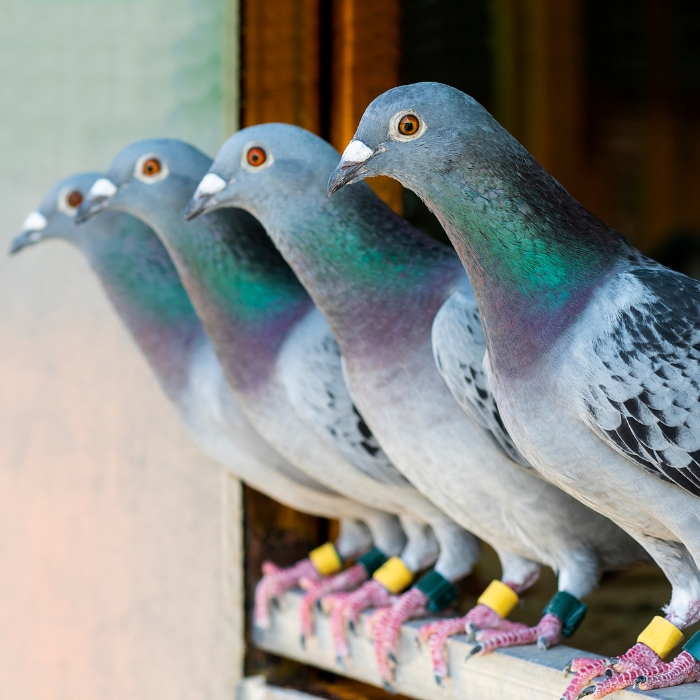
Breeding racing pigeons and preparing them for competition requires serious dedication and in-depth knowledge from fanciers.
- What kind of feed mix should we use?
- What supplements are appropriate?
- What training strategies should we apply during preparation?
There are aspects of conditioning and preparation that should never be neglected, as they form the foundation of successful pigeon rearing and race readiness.
These key questions include:
- How can I ensure strong immunity in my racing pigeons?
- How can I maintain their physical condition?
- How can I support their stress resistance throughout the entire racing season?
Below, we explore these questions in more detail.
Mycotoxins in Feed: The Invisible Enemy
We often read and hear about mycotoxins—harmful substances produced by microscopic mold fungi that grow on improperly stored or handled feed. These toxins can cause various internal disorders and, in severe cases, lead to serious weakening or even fatal poisoning in pigeons.
The effects of mycotoxins on pigeons are highly complex:
- They place a significant burden on the liver, the body’s primary detoxification organ.
- Toxins that accumulate in the bloodstream may lead to:
- reduced immune function
- decreased feed intake or refusal of feed
- stunted growth
- reduced fertility
- occurrence of infertile eggs
- decline in flight and racing performance
- increased susceptibility to infections and disease
Feed contamination is often invisible to the naked eye, and pigeons may also ingest contaminated grains from fields. Therefore, protection against mycotoxins—and the use of products that help neutralize them—should play a key role from a young age in the raising of racing pigeons. In today’s environment, which is burdened with many pollutants, it is often too late to treat problems after they have developed; prevention must be the priority, as existing organ damage or disease is far more difficult—if not impossible—to reverse.
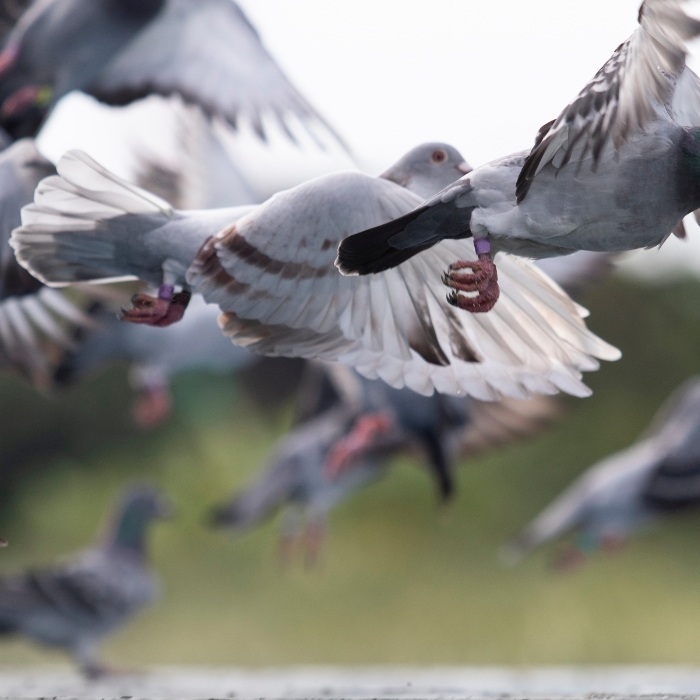
Mycotoxins in feed can significantly reduce racing performance.
The Most Common Types of Mycotoxins
- Aspergillus species: They produce aflatoxins, which can cause liver damage, weakened immunity, slowed growth in young birds, and increased mortality.
- Fusarium species: They produce trichothecenes (e.g., deoxynivalenol), zearalenone, and fumonisins. These can lead to reduced feed intake, reproductive issues, weakened immunity, and liver and kidney damage.
- Penicillium species: They produce ochratoxin A, which can cause kidney damage, immunosuppression, reduced growth, and is considered potentially carcinogenic.
These molds and their toxins represent a serious health risk to pigeons, affecting their overall health, productivity, and lifespan. Proper grain storage and regular inspection are essential to reduce contamination risk, although exposure is still often unavoidable.
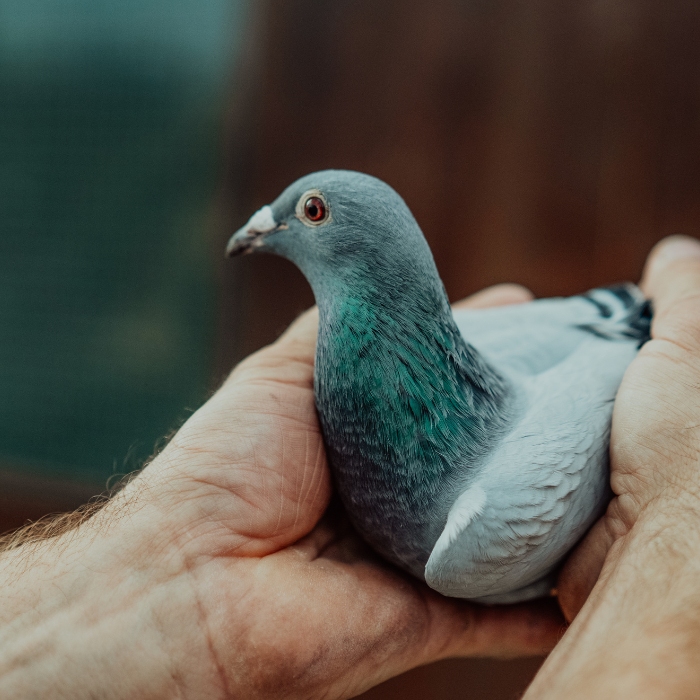
Supporting liver function is essential for maintaining good condition in pigeons.
Using Herbal Remedies Against Mycotoxins
Certain medicinal plants are known to support liver function and help neutralize and eliminate toxins. A well-known product among pigeon breeders is a drinking solution called SUPERLIV, which contains a combination of plant-based active ingredients. It is used to support liver function and detoxification in breeding, young bird development, and racing programs.
Continuous detoxification forms the basis for a strong immune system, proper physical condition, and the activation of natural recovery processes during illness. Only pigeons regularly cleared of toxins in the bloodstream can achieve maximum racing performance.
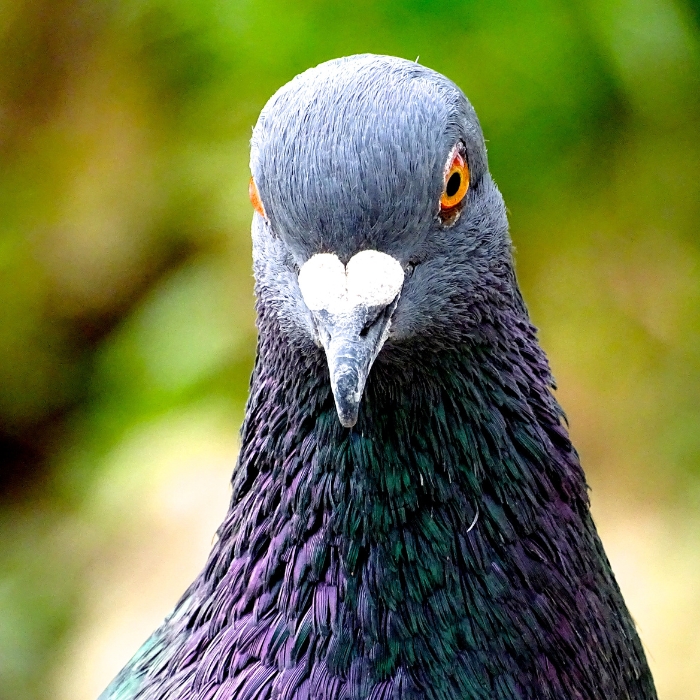
In hot weather, pigeons’ digestive systems are particularly vulnerable to bacterial infections, especially when their immune systems are weakened.
Good Digestion = Excellent Racing Condition
A healthy digestive system is another cornerstone of strong immunity and physical condition. It ensures optimal absorption of water and nutrients and helps eliminate pathogens before they can establish themselves in the gut.
The stress and fatigue caused by racing can:
- temporarily weaken the immune system
- allow pathogens taken in via water or feed to establish themselves in the digestive tract
- cause diarrhea
As with many health issues, prevention is far better than treatment. Diarrhea can significantly weaken pigeons by preventing proper nutrient and water absorption, leading to energy loss and increased vulnerability to disease. Sick birds may also stop eating, resulting in weight loss.
Such digestive problems often appear after demanding races, when pigeons urgently need nutrient replenishment after exhausting flights. Therefore, supporting the digestive system before and after races is crucial. Natural substances (especially herbal ones) can:
- protect the intestinal lining
- improve nutrient absorption
- bind and eliminate pathogens
Herbs and minerals such as kaolin, Holarrhena antidysenterica, Aegle marmelos, Punica granatum, and Berberis aristata are known to help prevent diarrhea and restore normal digestive function. A widely used herbal product, LIQ BIOTIC, contains antibacterial essential oils and plant extracts that help control diarrhea, restore gut balance, and reduce water and nutrient loss.
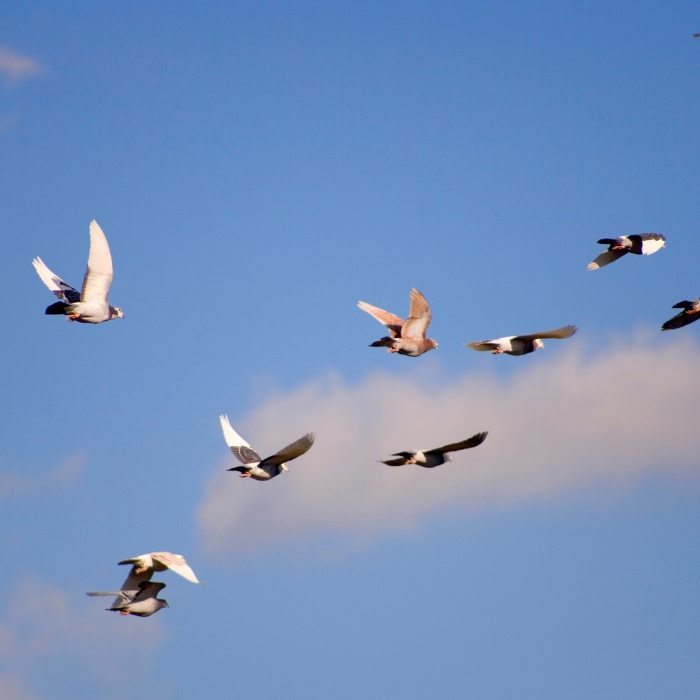
Good racing results depend heavily on stress resistance.
Stress Reduction: A Key to Effective Racing
The immune system can be weakened not only by toxins and pathogens introduced through feed and water but also by the intense physical and neurological strain of racing itself. Separation from the loft, transport, long flights, and environmental stressors such as heat, storms, and predator attacks all drain energy reserves and increase susceptibility to disease.
Overcoming stress-related effects is essential for ensuring pigeons return in good condition and perform successfully. Herbal extracts can also play an important role in stress management. The drinking solution STRESROAK, containing herbs and minerals, is recommended a few days before basket training. It provides minerals, amino acids, and plant-based compounds that help birds resist stress and perform at their best.
Careful preparation, attention to detail, and the individual methods and experience of the pigeon fancier all contribute to the success of both established and new generations of racing pigeons. We wish you a successful racing season!
 Spend at least 25,000 HUF and enjoy
 For our human health products, visit our