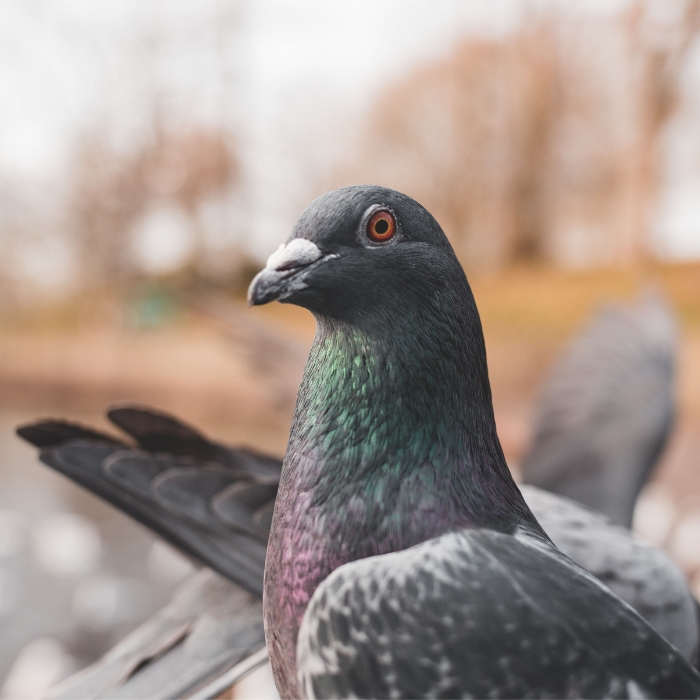
Mastering the Science of the Main Moult
Regrowing complete plumage—especially the 10 primary wing flights, secondary flights, and tail rectrices—is the most metabolically demanding process in a pigeon's annual life cycle. Feather creation consumes up to 25% of the bird's total body energy daily. A single flight feather must withstand tens of thousands of wing beats during a tough race; any flaw in its structural shaft (rhachis) or interlocking barbules means drag, air leakage, and premature fatigue.
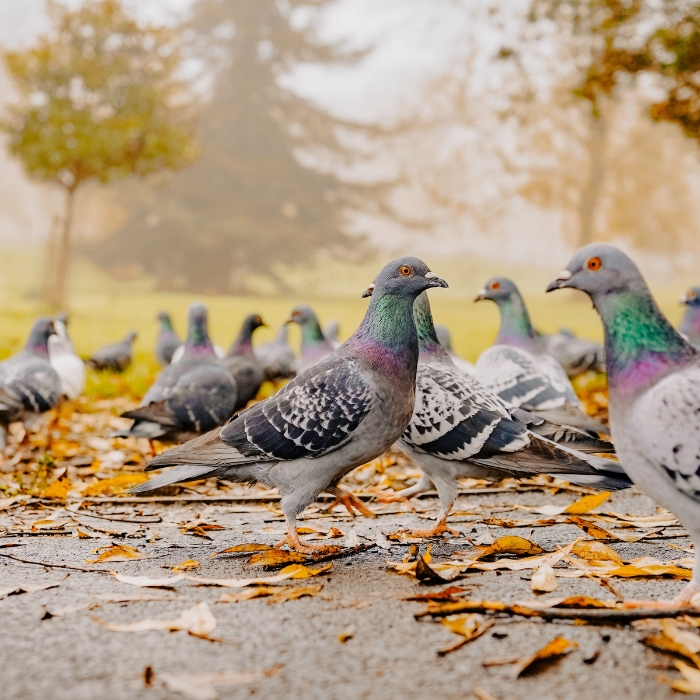
Nutritional deficits during the molt cause permanent feather flaws that can ruin spring racing.
1. Protein and Essential Sulfur Amino Acids
Feathers consist of over 85% pure keratin, a fibrous protein rich in sulfur. Standard maintenance grain mixes (often 10%–12% protein) are completely inadequate during peak moult.
- Protein Level: Elevate your grain mixture to 16%–18% crude protein using high-quality legumes (peas, tares, lentils, and small beans).
- Amino Acid Fortification: Keratin synthesis depends heavily on two specific sulfur-bearing amino acids: methionine and cystine. Because grains are naturally low in free methionine, top-dress your feed 2–3 times a week with liquid amino acid concentrates, brewer's yeast, or whey protein bound with pure garlic oil or cold-pressed wheat germ oil.
2. Oil Seeds for Feather Quality and Flexibility
While proteins build the structure, healthy lipids determine the feather’s strength, texture, and water resistance.
- Feed Inclusions: Add 10%–15% high-fat seeds to the daily diet: linseed (flax), safflower, hemp seed, rapeseed, and black sunflower seeds.
- Benefits: These seeds supply essential Omega-3 and Omega-6 fatty acids that lubricate the growing feather sheath, allowing it to drop off smoothly without binding the quill. The result is a silk-like texture, high flexibility, and natural water-repellency essential for flying through rain during spring races.
3. Mineral Absorption and Shell Grit
Feathers and blood quills require massive amounts of calcium, phosphorus, zinc, and silica.
- Keep fresh red stone grit, mineral blocks, crushed oyster shells, and vitaminized minerals available at all times.
- Replace the grit dishes every 2–3 days. Old, dusty grit sitting in the loft absorbs loft humidity and airborne bacteria, causing birds to avoid it just when their bodies need minerals most.
Loft Environment and Microclimate Management
Autumn brings dramatic climate shifts: cool damp nights, foggy mornings, heavy rainfall, and falling temperatures. Moisture coupled with shed feather dust creates the single most dangerous microenvironment for a racing pigeon loft.
1. Dampness Control and Floor Hygiene
High relative humidity (above 75%) inside the loft slows down the drying of dropping deposits, promoting the rapid multiplication of coccidiosis oocysts and aspergillosis fungal spores.
- Litter Management: If using floor litter (such as dry wood shavings, floor dressing, or pea gravel), ensure it is kept thoroughly dry. If damp spots develop near perches or water fountains, replace the litter immediately.
- Daily Scraping: If keeping bare wooden floors or grates, scrape perches and perching box floors daily to keep dust and damp droppings from sticking to molting feet and tail feathers.
2. Draft-Free Ventilation
While airflow is necessary to flush out feather dust and ammonia, cold autumn winds blowing directly over resting birds will stall the moult.
- Top Exhaust: Ensure ventilation openings are located high on the front or roof ceiling to pull stale air out naturally via warm thermal convection.
- Shielded Perches: Roosting boxes must be situated away from direct intake currents. A pigeon spending energy trying to keep warm against a draft cannot direct optimal metabolic heat toward regrowing its quills.
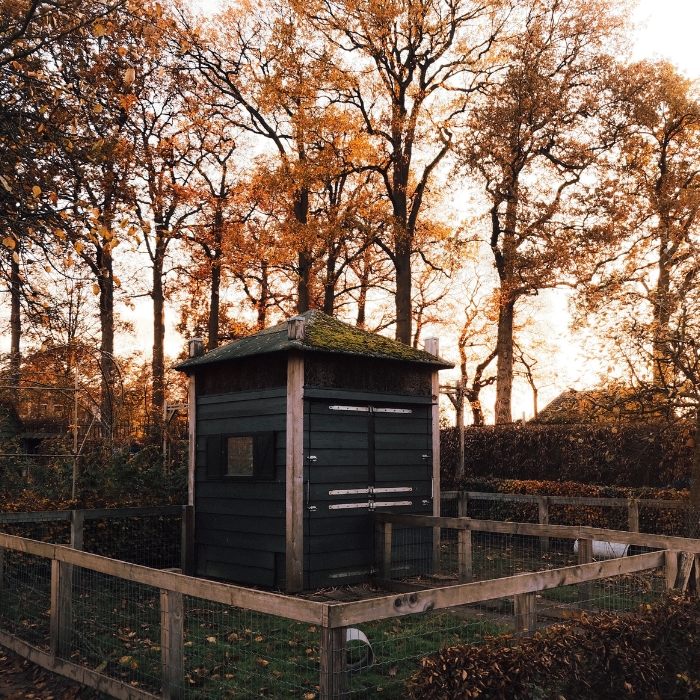
Preparing the loft for autumn means controlling moisture, scraping perches daily, and maintaining draft-free airflow.
3. Bathing Protocols
Bathing is vital during autumn: it softens the keratin sheaths surrounding new quills, speeds up feather shedding, and cleans dust from skin pores.
- Timing: Provide baths once a week strictly on sunny mornings. This allows birds several hours to preen, oil their plumage, and dry off completely before evening temperatures drop.
- Bath Additives: Add specialized bath salts, a handful of coarse natural sea salt, or 10–15 mL of raw apple cider vinegar per gallon of water. This aids parasite control (quill mites and lice) and maintains skin hygiene.
- Strict Removal: Always dump the bath water within 2 to 3 hours. Molting pigeons will drink fouled bath water, spreading intestinal parasites across the entire flock instantly.
Health Strategy and Preventative Care
The golden rule of autumn health management is: do not administer harsh chemical treatments during peak wing moult unless absolutely medically necessary.
1. Preventing Fret Marks (Fret Lines)
Fret marks are physical indentations or weak breaks across a feather shaft caused by a sudden interruption in blood supply to the growing quill. They are caused by severe physical stress, sudden starvation/dehydration, or aggressive pharmaceutical treatments (particularly anti-worming or anti-coccidiosis medications like febantel or strong sulfa drugs). A feather with a fret mark will snap under the pressure of spring racing.
2. Pre-Moult Diagnostic Screening
Rather than treating blindly with antibiotics or broad-spectrum drugs, execute a scientific screening:
- Collect a pooled 3-day sample of droppings at the start of autumn.
- Have an avian veterinarian run a microscopic check for hairworms, roundworms, coccidia, and salmonella (paratyphus).
- If treatment is necessary, apply it early under vet guidance before the outer primary flights (flights 7 to 10) begin their active growth phase.
3. Natural Gut Flora and Immune Support
Support the flock's natural immune system through gentle, non-chemical additives:
- Apple Cider Vinegar / Organic Acids: Add 5–10 mL per liter of drinking water 2 days a week to lower gut pH, rendering it hostile to E. coli and canker (Trichomoniasis) without stressing feather growth.
- Herbal extracts: Use herbal extracts via drinking water or feed. Herbs, like oregano contains carvacrol and thymol, natural antimicrobials that support intestinal health during moulting stress.
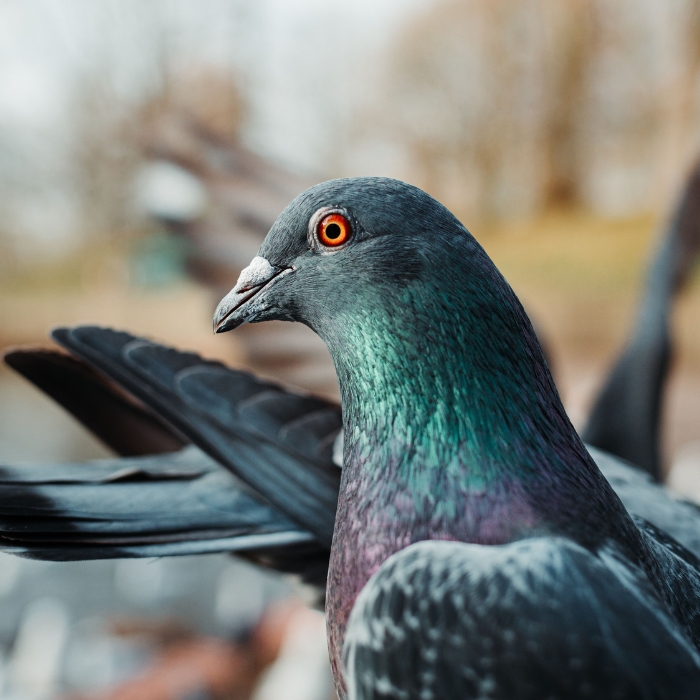
Support gut flora naturally: Add apple cider vinegar, organic acids or herbal supplements to drinking water twice weekly.
4. Light, Rest and Behavioural Management
Autumn brings shortening day lengths, which naturally triggers the thyroid gland to signal the main body moult. Managing your loft's light and stress environment will ensure this process runs smoothly.
- Suspending Compulsory Flying: Stop all forced morning and evening training flights. Flying with half-grown primary flights causes muscle strain and painful vibration in blood-filled quills. Allow open-door free loft exercise on pleasant days so birds can loft-fly or rest at will.
- Gentle Handling: Handle birds only when necessary. A growing quill (blood feather) is packed with active blood vessels at its base. Bumping, twisting, or rough catching can rupture the shaft, causing bleeding, severe pain, and permanent follicle damage.
- Separation of Sexes: Separate cocks and hens as soon as the young bird racing season ends. Preventing late-season courtship, nest-building, or egg-laying conserves precious metabolic energy strictly for feather production and winter body fat reserves.
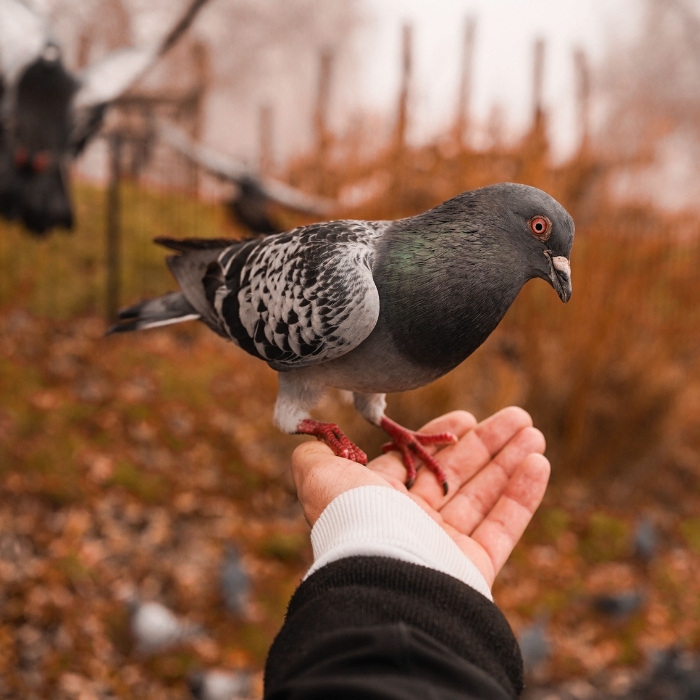
Suspend forced training flights and separate cocks from hens to conserve energy for the molt.
Autumn Loft Care: The Master Checklist
The autumn transition is the hidden foundation upon which all future race wins are built. By prioritizing high-protein nutrition, protecting your loft from dampness and drafts, maintaining proactive health screens, and giving your pigeons the quiet rest they need to complete their molt, you set the stage for peak performance.
To keep your loft on track, utilize our downloadable PDF autumn checklist for pigeon keepers we've prepared to track your nutrition, loft environment, and health milestones week by week. Remember: champions aren't rushed—they are carefully grown, feather by feather, all autumn long! Dowload your guide from here in PDF: autumn-racing-pigeon-care-checklist.pdf
 Spend at least 25,000 HUF and enjoy
 For our human health products, visit our