Why is vitamin supplementation necessary at all?
Vitamin supplementation may be necessary because a poultry’s body—like that of other living organisms—continuously uses vitamins for growth, metabolism, immune function, and stress management. However, daily feed and housing conditions do not always fully meet these needs, especially during intensive production, rapid growth, moulting, illness, or extreme weather conditions. In such cases, targeted vitamin supply helps maintain balance, resilience, and performance.
Another reason is that poultry cannot produce all essential vitamins in sufficient quantities. Vitamins A, E, and D3 must primarily come from feed, while the need for B vitamins and vitamin C can increase significantly during stress periods such as heat, disease, or vaccination. In modern production systems, the issue is often not a classical deficiency but an increased nutrient demand that must be met through balanced supplementation.
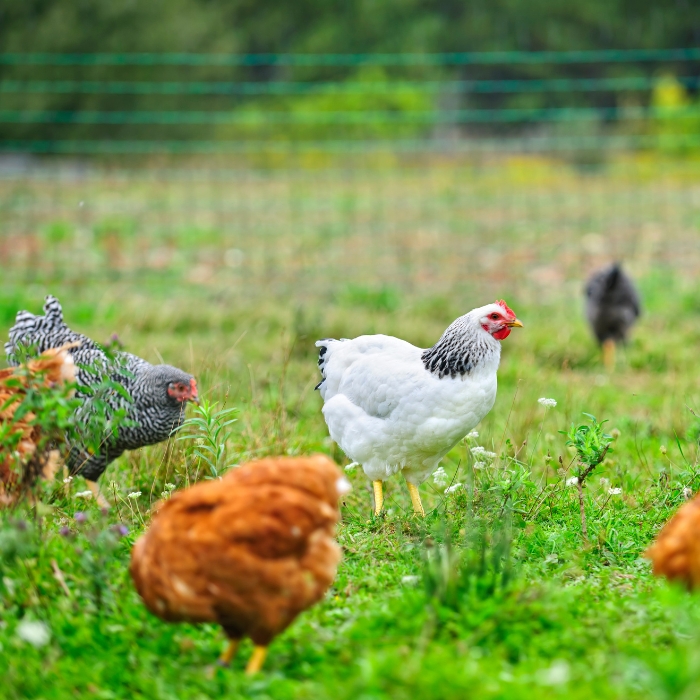
Everyday feeding practices and housing conditions do not always fully meet the nutritional requirements of poultry.
Why vitamin support matters year-round
Many people associate vitamin supplementation primarily with summer heat stress, yet poultry are exposed to challenges during every season of the year. This applies not only to industrial-scale flocks but also to birds kept in small farms or backyard systems.
The stresses affecting the body often do not cause immediate, visible problems, yet they can significantly influence the animals’ resistance, development, and egg production.
The following situations can particularly increase poultry vitamin requirements:
- Intensive growth or egg-production periods.
- Vaccinations and other treatments.
- Stress caused by placement, transport, or relocation.
- Feed changes or fluctuating feed quality.
- Extreme weather conditions, such as summer heat or winter cold.
- Recovery after illness.
- Crowded housing conditions or poor ventilation.
In backyard systems, birds may also show reduced appetite, lethargy, slower development, or decreased egg production. These symptoms are often linked to increased nutritional demands.
Proper vitamin supply plays a role not only in preventing deficiencies but also in helping birds adapt more easily to changing conditions. The use of vitamin-containing supplements can therefore be beneficial not only during problematic periods but as an important component of year-round flock management.
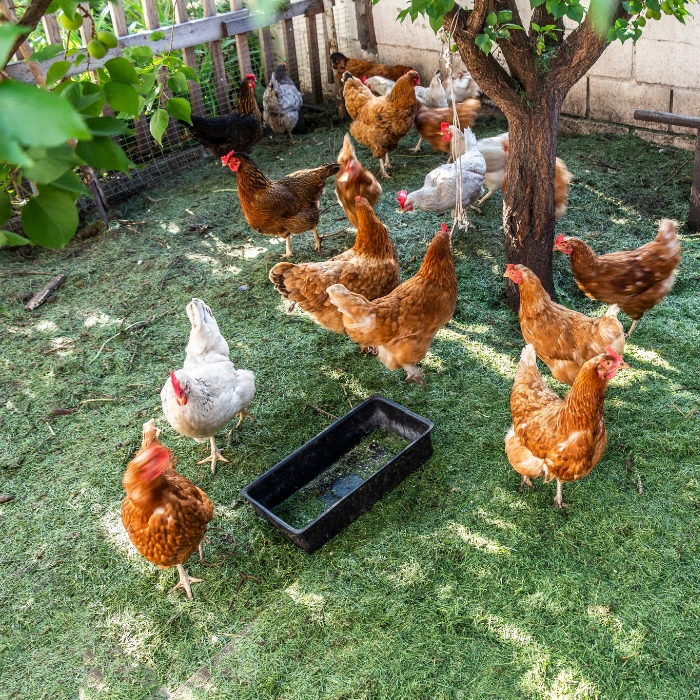
Proper vitamin supplementation helps birds adapt more easily to changing conditions.
Seasonal challenges: When and Why Vitamin Supplementation Matters
Whether you keep only a few hens or manage a larger poultry flock, different times of the year place different physiological demands on the animals. Weather changes, egg production, moulting, winter cold, and summer heat all affect the birds’ overall condition, appetite, and resilience.
Adequate vitamin supplementation can help animals adapt more easily to these changes, maintain better condition, and deliver more consistent performance.
Let us examine the challenges of poultry keeping season by season!
Spring – Growth, Development, and Peak Laying Season
Spring is the primary season for the arrival of new chicks, raising young birds, and increasing egg production. During this period, poultry undergo rapid development, which may lead to higher nutritional and vitamin requirements.
Variable weather and unfamiliar surroundings can also place stress on the animals, especially younger chicks.
Typical springtime challenges include:
- More sensitive immune systems.
- Slower development.
- Uneven growth.
Proper vitamin supply during spring can help:
- Support the immune system.
- Promote healthy development.
- Improve the adaptability of young birds.
In spring, the main objective is to establish a strong start and good overall condition.
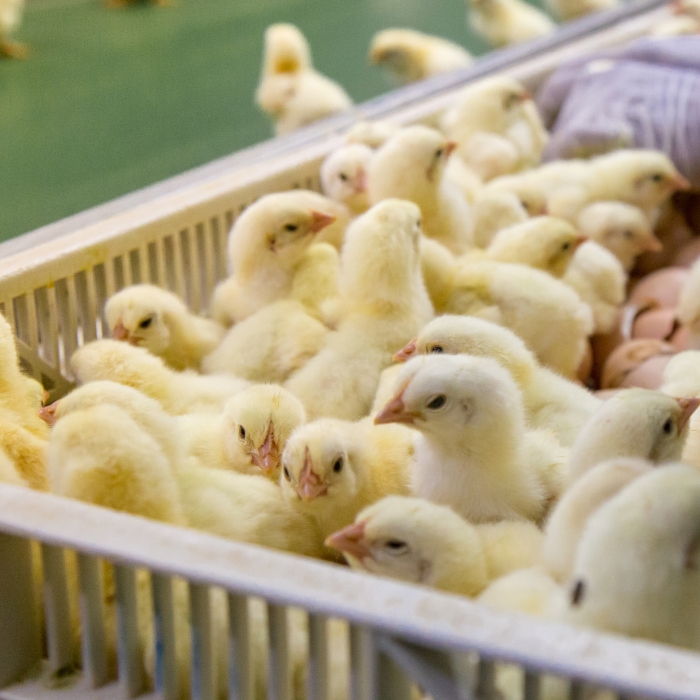
Proper vitamin supplementation plays an important role in improving the adaptability of growing animals.
Summer – Heat Stress and Increased Immune Burden
Summer heat stress is one of the greatest challenges in poultry keeping—even for smaller backyard flocks. Prolonged heat and high humidity can seriously affect hens, ducks, and other poultry species.
Commonly observed signs of heat-stress include:
- Panting
- Reduced appetite
- Lethargy
- Lower egg production
- Thinner eggshells
- Slower growth
- Increased water consumption
High temperatures increase oxidative stress in birds, which can weaken the immune system and reduce overall condition.
Supplementation with vitamins C and E is especially important during heat stress because these vitamins:
- Support the body’s stress tolerance.
- Help maintain proper immune function.
- Enhance vitality.
- Help sustain egg production and overall performance.
During summer, the primary goal is to reduce the effects of heat stress and preserve the birds’ condition.
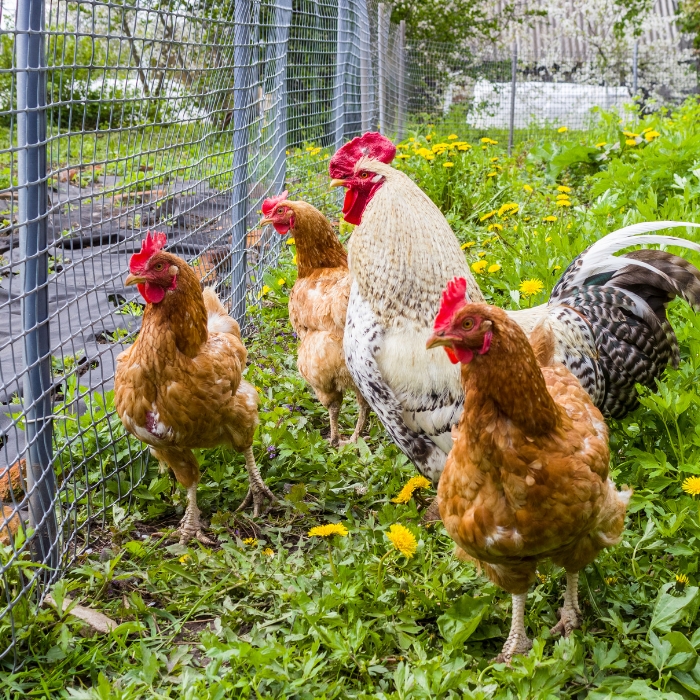
During the summer, one of the most important goals is to reduce the effects of heat stress.
Autumn – Transition to Cold Season, Moulting, Time to Build Immunity
Autumn can bring rapid weather changes: days may still be warm, while mornings and evenings become cool and humid. This transitional period can place considerable strain on poultry.
In autumn, the following may become more common:
- Lethargy.
- Respiratory sensitivity.
- Fluctuating appetite.
- Declining egg production.
For many flocks, autumn is also the beginning of the moulting and feather-replacement period, which in itself places significant stress on the body.
Proper vitamin supplementation can help:
- Support the immune system.
- Ease the moulting process.
- Maintain general resistance.
In autumn, the main goal is strengthening immunity and respiratory health while supporting the body during moulting and feather replacement.

Ősszel a vitaminkiegészítés segít az immunrendszer támogatásában, a vedlés, tollváltás könnyebb átvészelésében.
Winter – Cold Stress and Reduced Immunity
In winter, poultry require more energy to maintain body temperature. Cold, damp weather and reduced sunlight can also place stress on the animals.
During winter, the following are often observed:
- Reduced activity.
- Poorer physical condition.
- More sensitive immune systems.
- Slower recovery.
Because birds are often housed in more enclosed conditions during winter, air quality may also deteriorate, increasing the risk of respiratory problems.
Proper vitamin supplementation during winter can contribute to:
- Maintaining resistance.
- Better overall condition.
- Reducing the effects of winter-related stress.
Vitamin supplementation helps strengthen immunity and reduce the risk of respiratory diseases during winter.
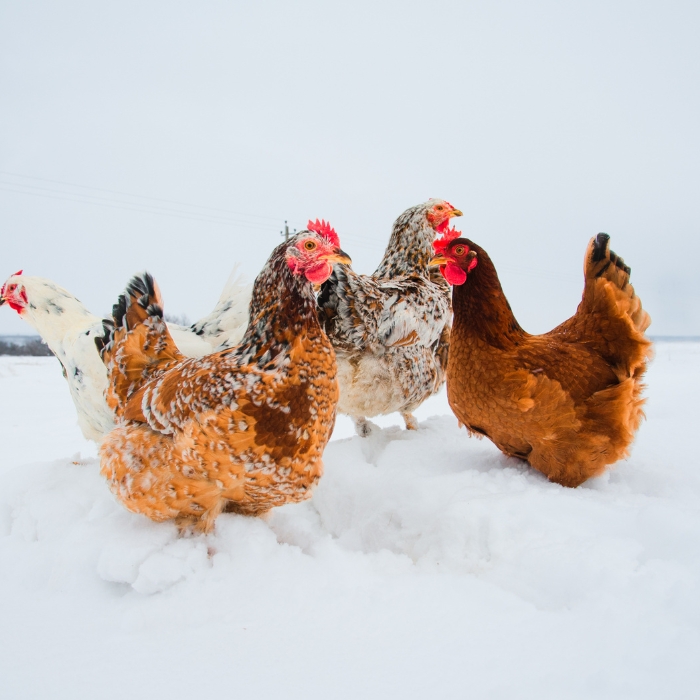
Vitamin supplementation helps strengthen the immune system and prevent respiratory diseases during the winter period.
Key vitamins for poultry and their roles
Numerous vitamins are indispensable for poultry health, development, and productivity. These vitamins support a wide range of physiological functions, from immune defense and bone development to egg production.
The most important vitamins in poultry farming and their key roles:
Vitamin A: Essential for proper growth, healthy mucous membranes and respiratory tissues, and immune function. Deficiency can reduce resistance and production performance. It also plays an important role in egg formation; deficiency may lead to lower egg production and poorer egg quality.
Vitamin D3: Crucial for calcium and phosphorus utilization, making it indispensable for strong bones and proper eggshell formation. Deficiency may result in thin, fragile, or shell-less eggs.
Vitamin E: A powerful antioxidant that protects cells against oxidative damage, supports immune function, and improves stress tolerance. It is also important for reproductive function and fertility, improving hatchability results. Particularly important during summer heat stress alongside vitamin C.
Vitamin C: Although poultry can synthesize a certain amount themselves, requirements increase during stressful periods such as high temperatures or disease. It supports immune function and helps mitigate stress effects.
B Vitamins: Members of the B-vitamin group play essential roles in metabolism, nervous system function, and energy supply. Deficiency can cause slower growth, weakness, neurological disorders, and poorer hatchability.
Vitamin K: Primarily necessary for proper blood clotting. Deficiency may increase the risk of bleeding.
Biotin and Other Micronutrients: Biotin is important for healthy skin, feathers, and legs. Deficiency may lead to feathering problems or leg weakness.
In practice, the focus should not be on a single vitamin but on balanced vitamin supplementation, as many vitamins work together and support one another’s effects.
Proper vitamin supplementation is especially important:
- During rapid growth.
- During intensive egg production.
- In summer heat.
- During moulting.
- After disease.
- Whenever the flock experiences increased stress.
Vitamin Requirements of Laying Hens at Different Life Stages
|
Life Stage
|
Important Vitamins
|
Why Are They Important?
|
|
0–6 weeks (chick/starter phase)
|
Vitamins A, D3, E, B vitamins
|
Immune development, bone and feather formation
|
|
6–18 weeks (growing phase)
|
Vitamin D3, B vitamins, biotin
|
Uniform development, strong skeletal structure, proper body formation
|
|
Start of laying
|
Vitamins D3, E, A
|
Eggshell formation, onset of production, immune protection
|
|
Intensive egg production
|
Vitamins D3, E, A, biotin
|
Strong eggshells, improved egg quality, stable production
|
|
Summer heat / heat stress
|
Vitamins C and E
|
Reducing heat stress, improving vitality, supporting appetite
|
|
Moulting period
|
B vitamins, biotin, vitamin A
|
Supporting feather replacement and regeneration
|
|
After illness or stress
|
Vitamins C, E, and B
|
Faster recovery, immune support
|
|
Winter period
|
Vitamins A, D3, E
|
Immune protection, improved condition, compensating for reduced sunlight
|
Vitamin Requirements of Backyard Broiler Chickens at Different Life Stages
|
Life Stage
|
Important Vitamins
|
Why Are They Important?
|
|
0–2 weeks (starter phase)
|
Vitamins A, D3, E, B vitamins
|
Good start, immune protection, bone and muscle development
|
|
2–4 weeks (intensive growth)
|
Vitamins D3, E, B
|
Rapid growth, improved feed conversion
|
|
4–6 weeks (fattening phase)
|
Vitamins E, B, C
|
Muscle development, stress tolerance, general condition
|
|
Summer heat / heat stress
|
Vitamins C and E
|
Reducing heat stress, supporting appetite and growth
|
|
Feed changes or stressful periods
|
Vitamins B, C, E
|
Supporting adaptation and recovery
|
|
After illness or treatment
|
Vitamins C, E, B
|
Immune support, faster recovery
|
|
Winter period
|
Vitamins A, D3, E
|
Maintaining condition and resistance
|
Important Note:
Poultry vitamin requirements are influenced by:
- Feed quality and composition
- Housing conditions
- Weather conditions
- The health status of the flock
- Production intensity
Balanced vitamin supplementation is particularly important in mixed backyard feeding systems because birds are not fed according to a precisely standardized formula but rather receive variable ingredients such as grains, green fodder, kitchen scraps, and seasonal supplements.
This creates uncertainty in several ways:
- Fluctuating nutrient content: The vitamin content of grains and green feed varies depending on season, storage, and quality.
- Missing vitamins: Backyard feeds often fail to fully cover requirements for vitamins A, D3, E, and B vitamins.
- Imbalanced nutrient ratios: Certain nutrients may become excessive while others remain insufficient.
- Greater sensitivity to stress: Even minor deficiencies may become visible in egg production, growth, or disease resistance.
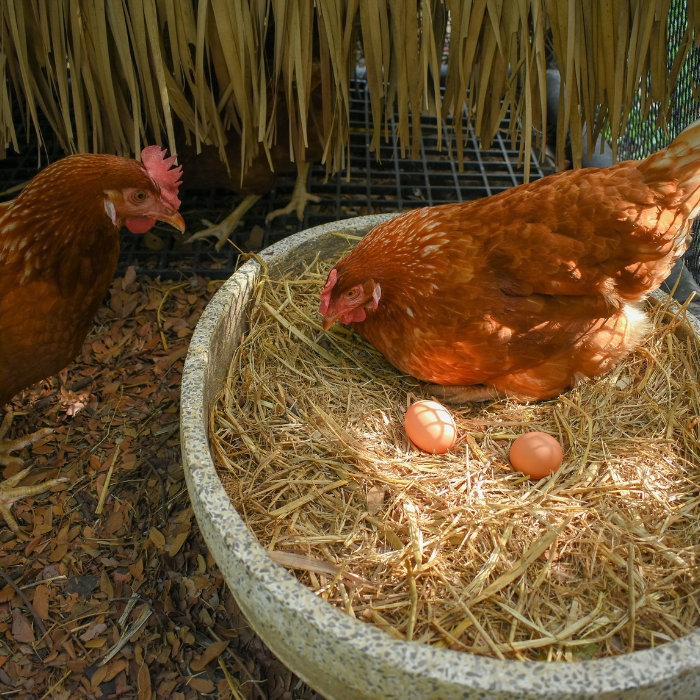
The vitamin requirements of laying hens and broiler chickens may differ.
Natural vs synthetic vitamins
Natural vitamins are derived from plant-based ingredients such as herbs, fruits, and other natural sources. They contain not only vitamins in their natural bioactive forms but also plant compounds that improve absorption and utilization. Synthetic vitamins, in contrast, are usually isolated molecules produced chemically.
Potential benefits of natural vitamins:
- Better absorption and utilization
- Improved immune function and stronger antioxidant protection
- Better stress tolerance
- More balanced production results
It is important to emphasize that modern natural vitamin products are no longer simple herbal extracts but standardized products with controlled compositions. Manufacturers use advanced technologies, ingredient standardization, and regular laboratory testing to ensure stable and reliable vitamin levels. As a result, natural vitamin supplements can now be used reliably not only in backyard systems but also in intensive animal production.
What Can We Gain from Proper Vitamin Supplementation?
Adequate vitamin supply supports not only the birds’ general health but can also produce noticeable improvements in day-to-day poultry farming results. Balanced supplementation helps birds tolerate stress better, become more resilient, and maintain more stable productivity.
Proper use of vitamin supplements may provide advantages in several areas:
- Better feed utilization: The birds’ bodies can use nutrients more efficiently.
- Lower production losses: Performance can be maintained more easily during stressful periods.
- Reduced mortality rates: Particularly important during periods of increased stress or summer heat.
- Improved egg quality: Stronger eggshells, more uniform egg size, and better internal quality.
- Better meat quality: Improved development and overall condition.
- More balanced production: Less fluctuation in growth or egg production.
- Improved stress tolerance: Birds adapt more easily to temperature changes, feed transitions, and environmental stressors.
In many cases, the benefits of proper vitamin supplementation do not appear overnight but become visible over the long term. Better condition, more stable performance, and greater resilience can nevertheless make a clearly noticeable difference in everyday farming practice.
With good vitamin supplementation, poultry flocks become more resilient and productive.
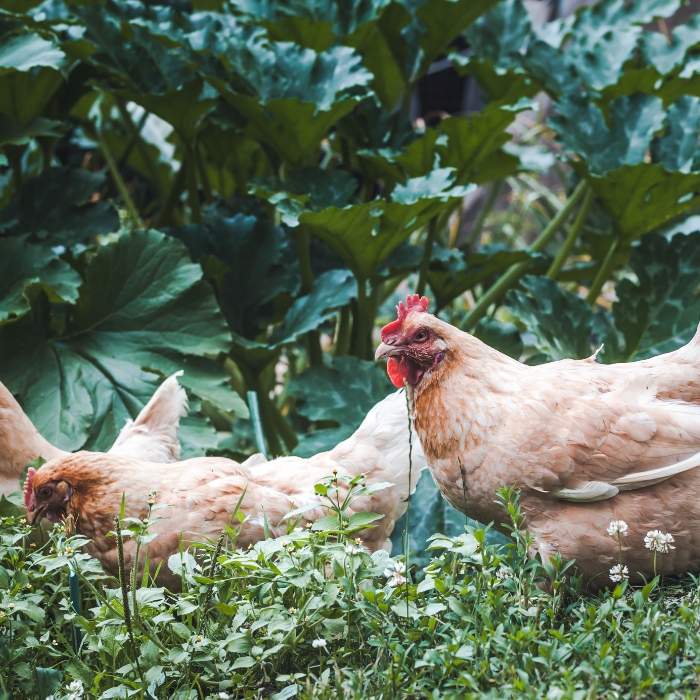
With proper vitamin supplementation, your poultry flock can become more resilient and productive.
What Should We Pay Attention to When Dosing Vitamins?
Vitamin supplementation can only be truly effective when it is tailored to the specific needs of the flock. It makes a significant difference whether we are dealing with young growing chicks, intensively laying hens, or broiler chickens being raised for meat, just as housing conditions also play an important role.
Several factors influence vitamin requirements:
- the age of the animals,
- the production purpose (egg production, meat production, breeding),
- the composition and quality of the feed,
- the season and weather conditions,
- as well as stress factors affecting the flock.
For example, young, rapidly developing animals may have an increased need for vitamins, while in laying hens, continuous egg production places a greater strain on the body. During summer heat or after vaccinations, the demand for certain vitamins — especially vitamins C and E — may also increase.
In backyard poultry keeping, it is particularly important to pay attention to feeding practices as well. Although high-quality complete feeds contain vitamins, their levels may not always be sufficient during periods of increased stress or heavy production. With mixed feeding — for example, when animals receive a large amount of homemade feed, grains, or green fodder — even greater care must be taken to ensure balanced vitamin supplementation.
When administering vitamins, it is always essential to follow the manufacturer’s recommendations, as excessive or unnecessary supplementation can cause problems just as deficiencies can. The goal is not “the more, the better,” but rather a balanced vitamin supply adapted to the flock’s current needs.
Prevention or Treatment – How Should Vitamins Be Used?
Vitamin supplementation can be useful not only when visible problems already appear in the flock. In many cases, preventive use is far more effective, as proper vitamin support can prepare the body for expected stress and strain.
In poultry farming, there are many periods when increased stress can be anticipated:
- Summer heat stress
- Vaccinations
- Placement or relocation
- Feed changes
- Intensive growth phases
- Moulting
- Periods of increased egg production
Preventive vitamin use during these times can help birds adapt more easily, remain in better condition, and reduce the risk of performance decline.
Naturally, there are also situations in which supplementation supports recovery from an existing problem or weakened condition. After illness, stressful periods, reduced appetite, or general weakness, proper vitamin support may accelerate regeneration and recovery.
In practice, however, a preventive approach is usually the most beneficial. It is far easier to maintain a flock in good condition than to restore the health and productivity of a weakened flock later on.
Vitamin supplementation is therefore most effective when it is:
- Planned in advance
- Adapted to the given period
- Adjusted to the flock’s current needs
Did you find this article useful? Learn more about how to combat heat stress in poultry here!
This article is for informational purposes only and does not replace veterinary diagnosis or treatment. For accurate diagnosis and appropriate therapy, consult your veterinarian.
 Spend at least 25,000 HUF and enjoy
 For our human health products, visit our