Poultry coccidiosis is a disease caused by microscopic protozoa of the genus Eimeria, characterized by diarrhea, lethargy, and varying levels of mortality. Infection spreads through direct or indirect contact with the droppings of infected birds, subsequently attacking the intestinal wall and causing tissue damage.
Pathogens entering the intestinal tract damage the mucosa, impairing both absorption and barrier function. Infected birds may develop diarrhea of different types (watery, bloody, mucous), accompanied by weakness, loss of appetite, anemia, and mortality. The disease mainly affects growing and young birds. Clinical signs include lethargy, anorexia, diarrhea, and in laying hens a decline in egg production; in severe cases, hemorrhagic enteritis and anemia may also occur.
In sheep and goats, coccidiosis primarily affects young animals, especially in crowded or stressful conditions. Symptoms include diarrhea (sometimes bloody), weight loss, lethargy, and stunted growth.
In pigs, coccidiosis most often occurs in suckling piglets. Clinical signs include yellowish-white, watery, foul-smelling diarrhea, weakness, and reduced weight gain.
In rabbits, coccidiosis can be caused by several Eimeria species and may appear in intestinal or hepatic forms. The intestinal form causes diarrhea and lethargy, while the hepatic form leads to liver enlargement and jaundice.
In cattle, cryptosporidiosis is a parasitic infection of the intestinal tract, manifesting as diarrhea and debilitation. It is particularly common in young calves, and its prevention and management are crucial for reducing economic losses.
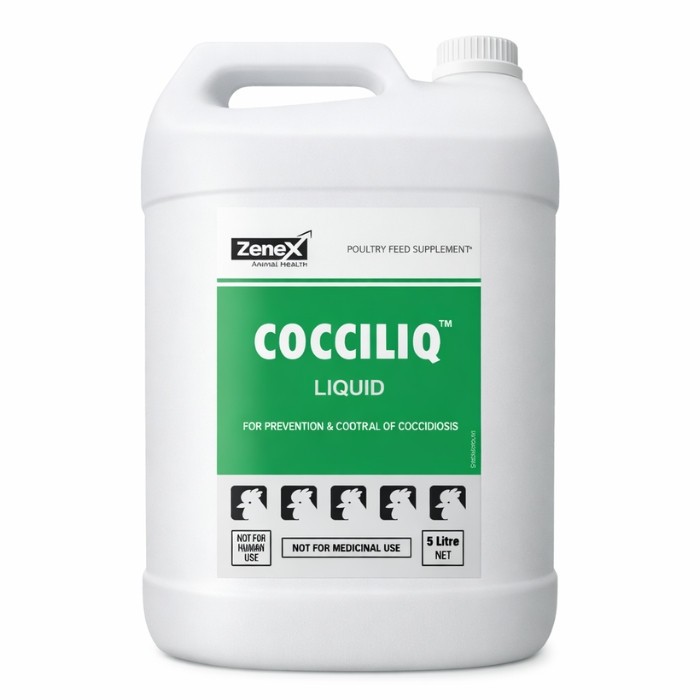
COCCILIQ is a veterinary herbal product designed as a supportive treatment for enteritis (enteritis, colitis, typhlitis) caused by coccidiosis and bovine cryptosporidiosis.
INDICATIONS:
- For supportive treatment of enteritis caused by Eimeria protozoan species (coccidiosis), helping restore optimal intestinal function and promoting the regeneration of intestinal tissues.
- Can also be used in cases of cryptosporidiosis in cattle.
MODE OF ACTION:
- The herbal ingredients with antiprotozoal, antibacterial, and anti-inflammatory properties help reduce pathogen proliferation and intestinal wall inflammation, while additional active components offer mucosal protection and support tissue regeneration.
- Natural essential oils provide antibacterial, antioxidant, and immune-enhancing effects, and help restore the balance of the gut microbiota.
- Capric and lauric acids, through their antimicrobial activity, inhibit the growth of pathogens while supplying energy to intestinal epithelial cells—thereby supporting tissue repair and maintaining nutrient absorption.
 Spend at least 25,000 HUF and enjoy
 For our human health products, visit our