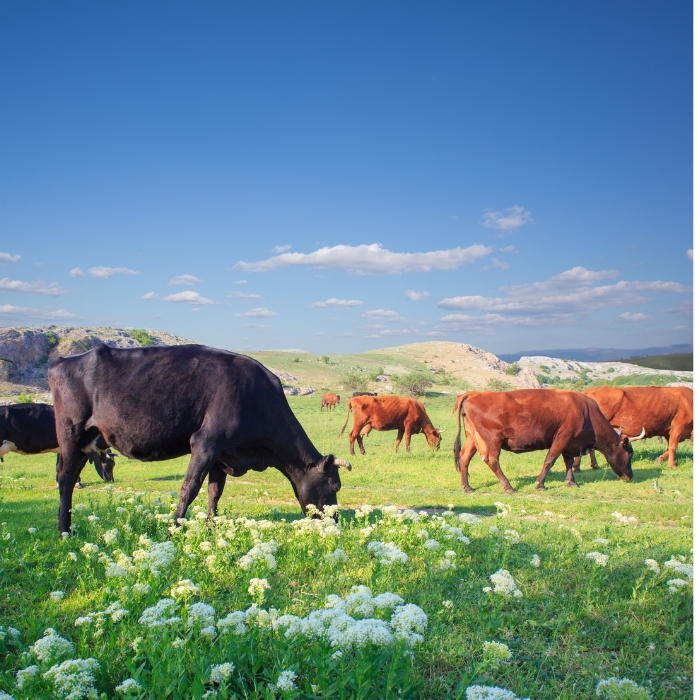
What is Heat Stress?
Heat stress occurs when the total heat produced by an animal and absorbed from its environment exceeds its body's heat dissipation capacity. Ruminants have a relatively narrow thermoneutral zone. High-yielding dairy cows can exhibit the first symptoms of heat stress at temperatures as low as 20–25 °C when accompanied by high humidity. In practice, this risk is frequently measured using the Temperature-Humidity Index (THI). Over recent summers in Hungary and other parts of Europe, the THI has exceeded the threshold causing measurable production losses in dairy livestock on an increasing number of days.
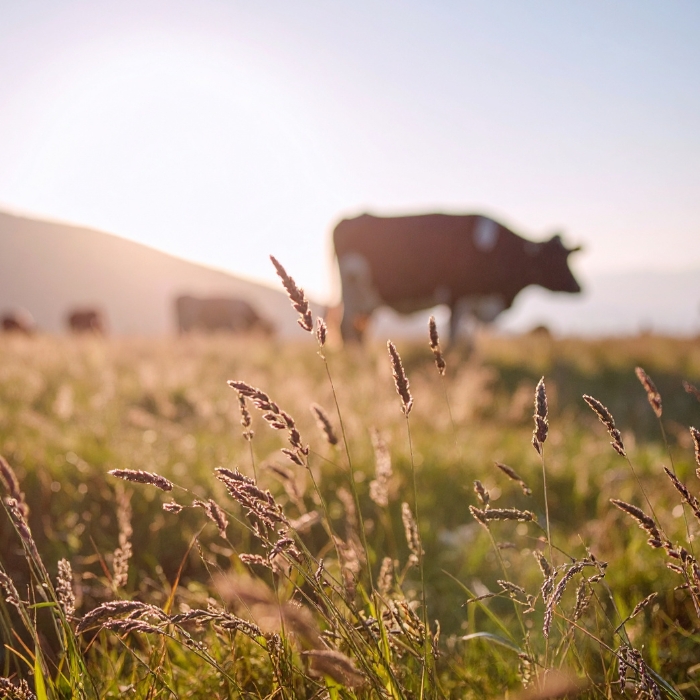
The optimal temperature range for ruminants is relatively narrow.
How Does the Animal's Body React to Heat Stress?
The primary physiological goal of ruminants is maintaining a constant core body temperature. When the environment grows too hot, the body triggers several defence mechanisms:
1. Increased Respiration
Rapid breathing is one of the earliest indicators of heat stress. Cows and goats use panting to shed heat. While evaporation from the respiratory tract aids cooling, it demands significant energy expenditure. Prolonged hyperventilation alters the blood's acid-base balance; excessive loss of carbon dioxide can trigger respiratory alkalosis, adversely affecting metabolic processes and muscle function.
2. Increased Skin Blood Flow
To boost heat dissipation, the body dilates peripheral blood vessels. Consequently, blood flow redirects to the skin, reducing supply to the digestive tract. Reduced blood flow to the rumen and intestines impairs nutrient absorption and weakens the intestinal barrier. This can initiate inflammatory responses that suppress long-term immune function.
3. Decreased Feed Intake
Digestion generates substantial metabolic heat in ruminants. In high temperatures, animals instinctively consume less to limit internal heat production. However, this drop in feed intake creates an energy deficit. Dairy stock begin mobilizing body reserves, resulting in condition loss. This negative energy balance poses severe challenges, particularly in high-yielding herds.
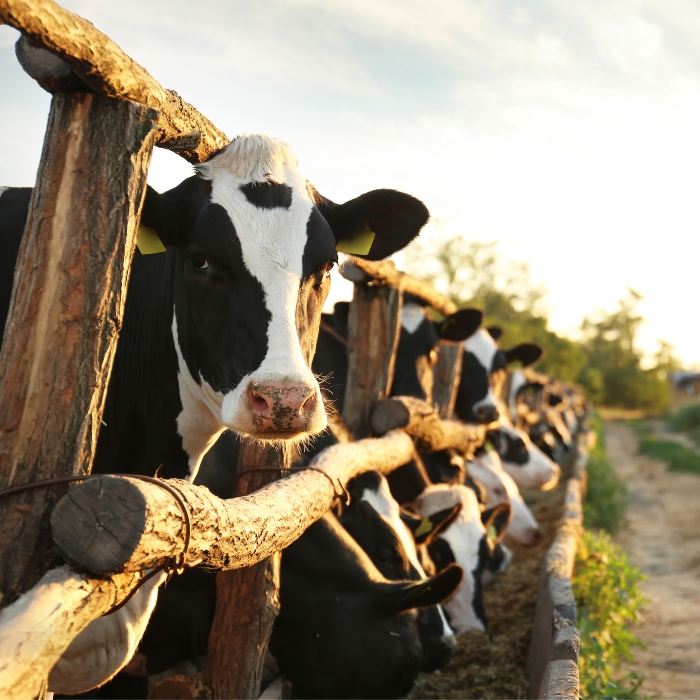
In extreme heat, feed intake decreases, causing an energy deficit and a drop in milk yield.
4. Changes in milk yield and composition
Milk synthesis requires immense energy. When the body prioritizes thermoregulation for survival, lactation becomes secondary. Daily milk yield in heat-stressed cows can decrease by 10–30%, with even steeper declines in severe cases. Furthermore, milk composition changes unfavourably:
- Milk fat percentage may decrease.
- Milk protein levels can drop.
- Processing quality—critical for cheesemaking—often deteriorates.
In goats, milk yield reductions are generally less pronounced, but changes in milk composition remain substantial.
5. Weakening of the Immune System
Heat stress elevates cortisol and other stress hormone levels. While helpful for short-term adaptation, sustained high concentrations suppress immune function. This often leads to:
- Increased incidence of mastitis.
- Higher susceptibility to respiratory infections.
- Delayed wound healing.
- Reduced vaccine efficacy.
Consequently, overall herd health issues frequently spike during the summer months.
6. Reproductive Consequences
Heat stress represents one of the largest sources of hidden economic loss in reproduction. In female animals, effects include:
- Weakened expression of oestrus symptoms.
- Deteriorated oocyte quality.
- Lower conception rates.
- Elevated risk of early embryonic mortality.
Male fertility is equally affected. Raised testicular temperatures impair spermatogenesis in bucks and bulls, causing fertility problems that can persist for several weeks after the heat subsides.
Heat Stress in Hungarian Farms
Hungary's continental climate increasingly exhibits Mediterranean characteristics. Across the Great Plain (Alföld) and Southern Transdanubia, summer daytime peaks regularly exceed 35 °C, while night temperatures frequently fail to cool sufficiently. This lack of nighttime cooling prevents animals from recovering between hot days. Heat load sustained over multiple days or weeks exerts a cumulative effect, driving progressive production losses.
Differences Among Cattle Breeds in Terms of Heat Stress Tolerance
Heat tolerance varies significantly across cattle breeds:
- Holstein-Friesian: The predominant dairy breed in Hungary, but also the most vulnerable to heat stress. Its high milk production yields substantial internal metabolic heat. High-performing Holsteins often show performance dips even in moderate summer heat.
- Jersey: Featuring a smaller body frame and lower metabolic heat production, the Jersey generally tolerates high ambient temperatures better than the Holstein-Friesian.
- Hungarian Simmental (Magyar tarka): A dual-purpose, robust breed with moderate milk yields. It exhibits higher heat tolerance, though extreme temperatures still trigger stress responses.
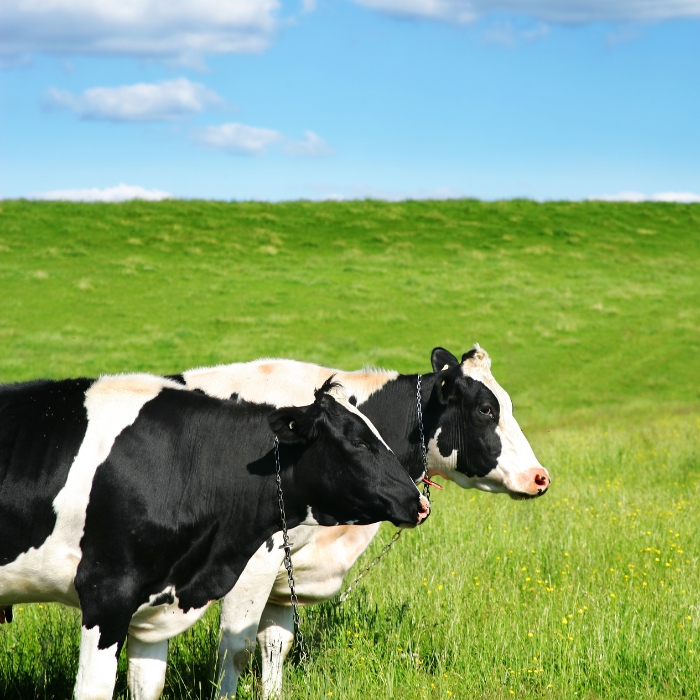
Prolonged heat waves are becoming increasingly frequent in Hungary as well, posing a serious challenge to dairy farms.
Differences Among Goat Breeds in Hungary in Terms of Heat Stress Tolerance
Goats are evolutionary adapted to drier, warmer climates and generally tolerate heat better than dairy cattle.
- Alpine: One of the most common dairy goat breeds in Hungary. It adapts well overall, but under intensive production, milk yield reacts sensitively to heat.
- Saanen: Among the highest-yielding dairy goat breeds worldwide. While light-coated, its intensive production makes it more vulnerable to heat stress, particularly in closed housing systems.
- Hungarian Landrace (Magyar parlagi kecske): Traditional landrace types are notably resilient. Though their milk yield is lower, they handle extreme weather conditions with greater ease.
Overall, higher production intensity correlates directly with increased sensitivity to heat stress.
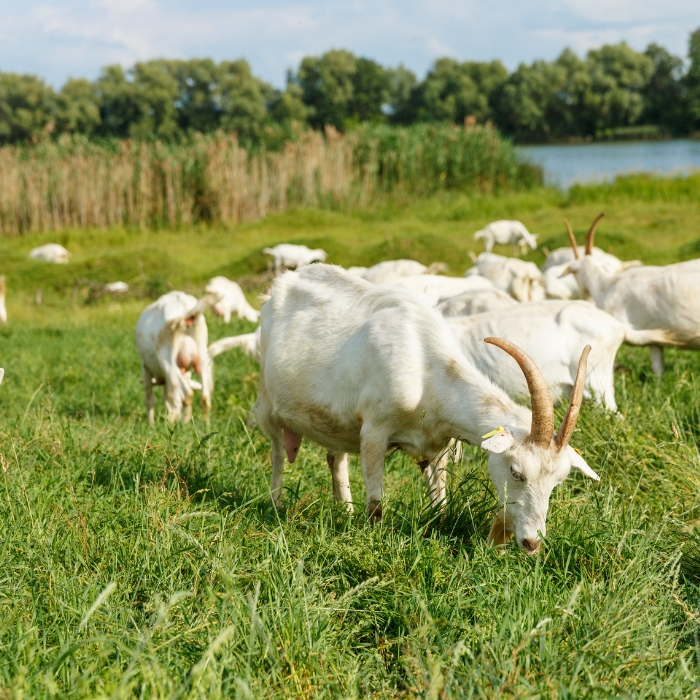
Goats adapt better to heat, but prolonged warmth can still take a heavy toll on their bodies.
What Can Farmers Do agains Heat Stress?
Completely eliminating heat stress under current climate conditions is unrealistic; however, its harmful impacts can be mitigated through a comprehensive strategy combining technology and farm management.
1. Providing Shade
Shade is a critical physiological requirement for grazing livestock. Direct solar radiation elevates body temperatures faster than animals can shed heat, particularly in high humidity. Natural shade from trees reduces radiant heat loads effectively. Where trees are absent, artificial structures—such as shade sails, mobile shelters, or fixed roofs—are essential. Shade must be distributed adequately to prevent crowding, which increases thermal stress.
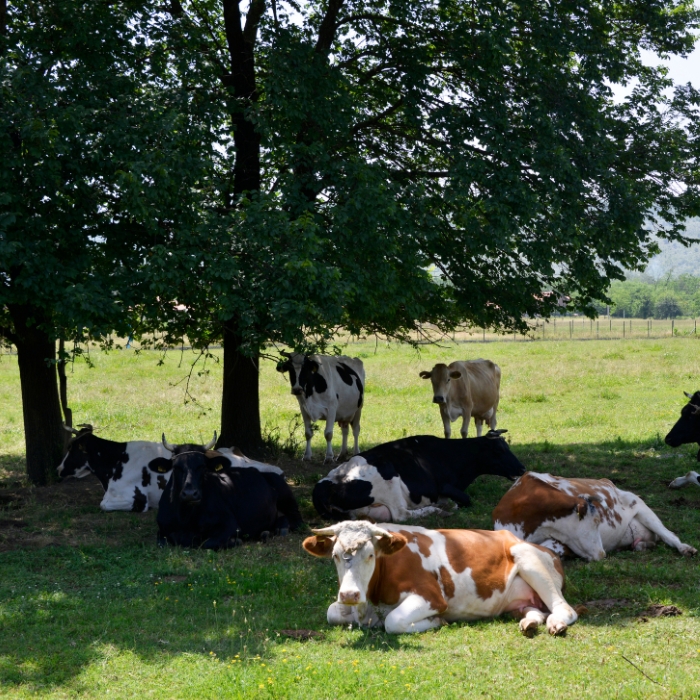
On pasture, natural shade—such as the presence of trees or tree clusters—provides a cooling effect.
2. Effective Ventilation
Air velocity inside barns is vital for heat removal. Stagnant, humid air severely exacerbates high temperatures. High-capacity fans, especially cross-ventilation systems increase thermal comfort. Although air movement does not lower ambient temperature, it drives convective heat loss and evaporative cooling from the skin. Ventilation should target key areas, such as feeding tracks and resting stalls.
3. Misting and Soaking Systems
Water-spray cooling utilizes evaporation to absorb heat from the surrounding environment, lowering the local microclimate temperature. Misting systems paired with fans atomize water into a fine fog that evaporates rapidly without wetting bedding. These systems prove most beneficial in high-density areas like holding pens near milking parlours.
4. Unrestricted Fresh Water
Water consumption increases dramatically in hot weather due to evaporative cooling efforts. A high-yielding dairy cow may consume 120–150 litres of water daily in summer, with proportional increases seen in goats. Water must be clean, cool, and readily available. Installing additional drinkers prevents competition and stress.
5. Dietary Adjustments
Nutrition management directly influences internal heat generation from digestion. Rumen fermentation generates significant heat; therefore, summer feeding strategies should utilize high-density, easily digestible feeds to maintain nutrient intake despite lower overall consumption. Feeding multiple small meals throughout the day minimizes fermentation heat peaks. Shifting feeding times to cooler morning and evening hours encourages feed intake. Additionally, supplementing electrolytes, vitamins, and minerals replaces lost nutrients excreted via sweating and panting.
6. Genetic Selection
Selecting for heat tolerance offers a sustainable long-term solution. Variations exist among individual animals regarding heat resistance and production stability. Future breeding indexes are increasingly incorporating climate adaptation parameters alongside yield traits.
7. Natural Feed Supplements
Nutritional support plays an important role alongside environmental adjustments. These supplements focus on stabilizing metabolism, supporting appetite, and mitigating stress-induced deficits rather than artificially pushing performance. In this context, e.g. PAYAPRO herbal premix is utilized as a natural feed supplement in dairy herds. It was developed to support the physiological processes of lactation during environmental stress, such as summer heatwaves. PAYAPRO features a hormone-free, plant-derived active complex composed of a carefully formulated combination of herbs. Its components work synergistically to help maintain natural physiological lactation processes during critical periods. Field observations indicate that using this preparation is associated with:
- More stable lactation processes.
- Physiological support for milk secretion.
- Reduced fluctuations in daily milk yield.
PAYAPRO acts by supporting the body's natural regulatory and adaptive mechanisms rather than directly altering hormonal activity. Consequently, it does not interfere with reproductive cycles, making it suitable for modern, production-oriented systems that prioritize animal welfare. It serves as a complementary dietary tool within a complete heat stress management plan.
The Future of Dairy Farming
With advancing climate change, proper shading, ventilation, water management, and adapted nutrition are essential prerequisites for farm competitiveness rather than optional welfare practices. Summer heat stress results in measurable losses: decreased milk yields, lower reproductive rates, and increased disease incidence.
Farms that address heat stress proactively across facilities, nutrition, and breeding will achieve more stable long-term production and financial predictability. The future of dairy production relies as much on managing environmental stress as it does on genetic potential.
This article is for informational purposes only and does not replace veterinary examination or treatment. Consult a veterinarian for accurate diagnosis and tailored management.
 Spend at least 25,000 HUF and enjoy
 For our human health products, visit our