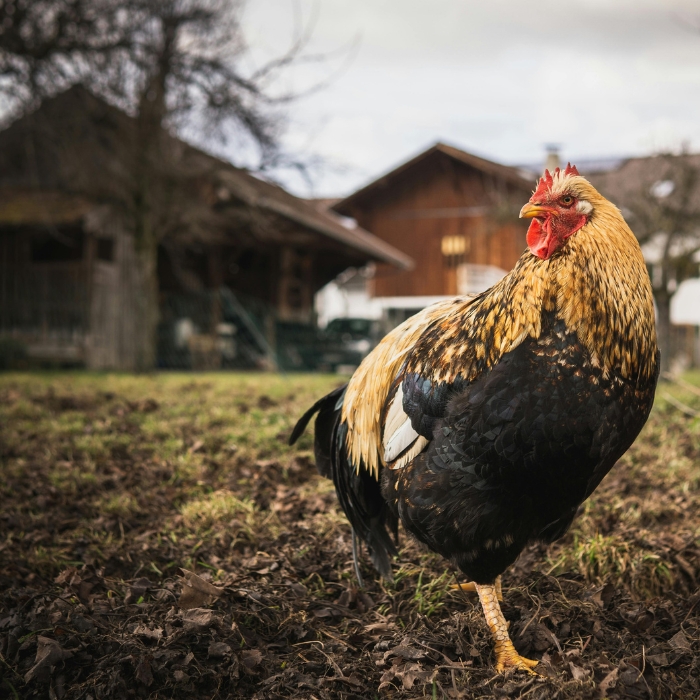
In this article you can read about:
- Weather Transition and Immunological Stress
- Navigating the Moult: Supporting Feather Regeneration
- The Ideal Autumn Feed and Supplement Strategy
- Autumn Disease and Parasite Watchlist
- Seasonal Coop Maintenance: The Autumn Checklist
- How to Adapt to Changing Climate Patterns
Autumn: Weather Transition and Immunological Stress
The core challenge of autumn lies in its instability. A sunny afternoon reaching 22°C can easily drop to a damp, humid 5°C by midnight. This rapid thermal volatility stresses the body of the birds, forcing them to work harder to regulate their core temperature.
During this transition, you may notice several behavioural and physiological shifts in your flock:
- Lethargy and decreased activity: Birds conserve energy and huddle together to maintain their body temperature against sudden cold drops and damp conditions.
- Fluctuating appetite: Their metabolism adjusts constantly, requiring more calory-intake to generate body heat on chilly days and less energy during warmer afternoons.
- A dip in egg production: Reduced daylight triggers a hormonal shift, while the body diverts resources from reproduction to thermal regulation and feather condition.
- Increased respiratory sensitivity: Inhaling cold, humid air alongside night drafts directly irritates the mucous membranes of their upper respiratory system.
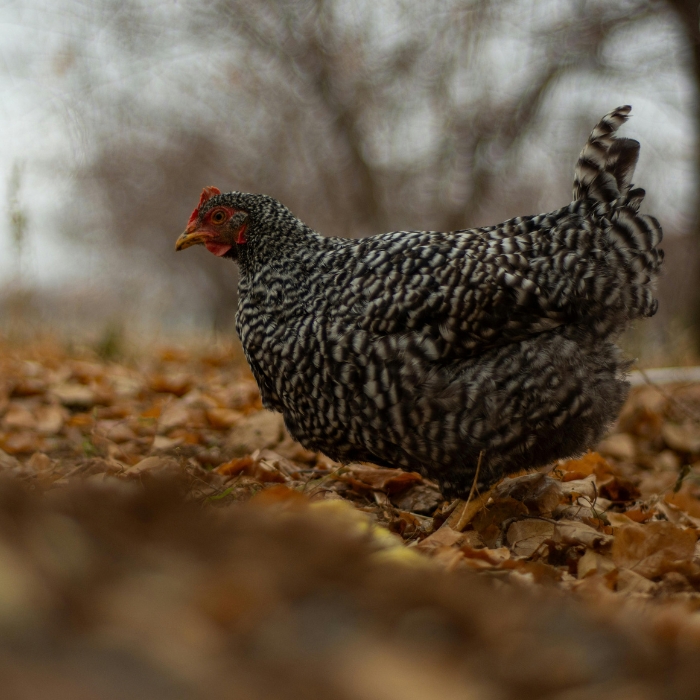
Autumn weather transitions means a huge immunological stress to poultry.
Navigating the Moult: Supporting Feather Regeneration
For most mature birds, autumn marks the onset of the annual moult. As photoperiods shorten, hens pause egg production and shed their old, worn feathers to grow a fresh, dense coat for winter.
Moulting is one of the most energy-intensive processes in a chicken's life. Feathers are composed of roughly 85% keratin—a tough structural protein built primarily from sulfur-rich amino acids like methionine and lysine. During a heavy moult, a bird’s protein reserves are heavily drawn upon, temporarily compromising their immune system.
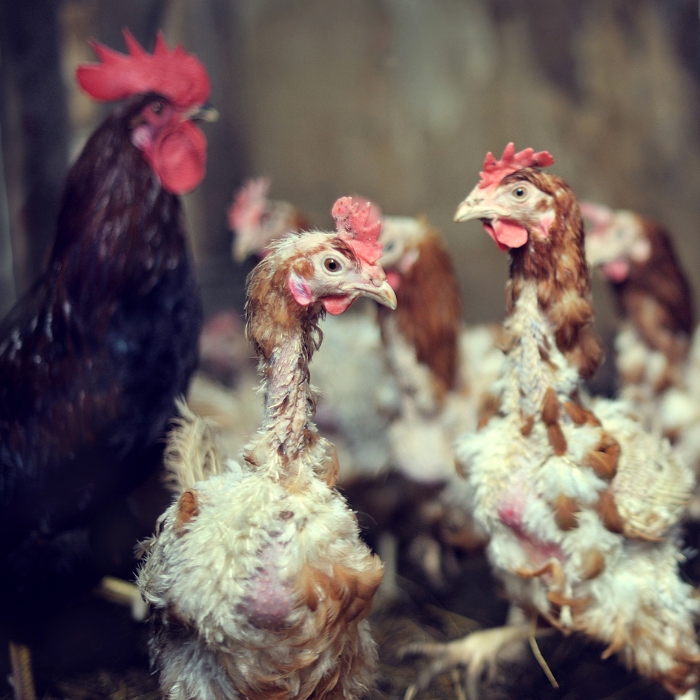
Moulting is one of the most energy-intensive processes in a chicken's life.
Key Ways to Support Your Flock Through the Moult
- Up the Baseline Protein: Transition your core feed from a standard layer ration (~16% crude protein) to a grower or feather-fixer formula containing 18% to 20% protein.
- Provide Targeted Protein Treats: Supplement their daily diet with high-quality amino acid sources like dried mealworms, black soldier fly larvae, black oil sunflower seeds, or cooked eggs.
- Minimize Handling: Growing new feathers ("pin feathers") are filled with active blood vessels and are extremely sensitive to pressure. Avoid unnecessary handling during heavy shedding to prevent pain and broken blood feathers.
The Ideal Autumn Feed and Supplement Strategy
To optimize feather synthesis and thermal storage, incorporate feedstuffs rich in high-quality plant and animal proteins alongside healthy fats. You can either transition to a commercial high-protein diet or fortify your flock's daily intake with strategic supplements.
Important Feeding Rule: Commercial grower/starter feed should make up 85–90% of their total daily intake. Seeds, insects, and treats should not exceed 10–15% to maintain a balanced intake of essential vitamins and minerals.
Recommended Feed Ingredients and Their Role
- Commercial Grower/Starter Feed (18–20% Protein): Serves as the complete nutritional foundation, ensuring balanced amino acids without excess calcium.
- Oilseeds and Nuts (Amino Acids and Healthy Fats):
- Black Oil Sunflower Seeds (BOSS): Exceptionally rich in methionine, crude protein (16–18%), and essential fatty acids that promote feather sheen and metabolic heat generation.
- Hemp and Pumpkin Seeds: Packed with dense protein (25–30%), zinc, and iron to support tissue repair and immune resilience.
- Animal and Insect Proteins (Bioavailable Boosters):
- Dried Black Soldier Fly Larvae (BSFL) & Mealworms: Concentrated protein (40–50%) rich in essential amino acids and lipids.
- Cooked Eggs: Scrambled or hard-boiled eggs offer highly digestible, complete protein that requires minimal metabolic energy to process.
- Fish Meal / Dried Crustaceans: Excellent natural sources of methionine, lysine, and omega-3 fatty acids.
- Legumes and Sprouted Grains:
- Sprouted Peas, Lentils, or Mung Beans: Sprouting increases nutrient bioavailability and boosts protein content to 20–24%.
Caution on Calcium Management: High-protein grower diets contain lower calcium levels than layer feed because non-laying, moulting hens do not require high calcium. Excess calcium during a non-laying period can cause kidney damage. Always offer oyster shell or limestone grit in a separate, free-choice dish so active layers can consume what they need independently.
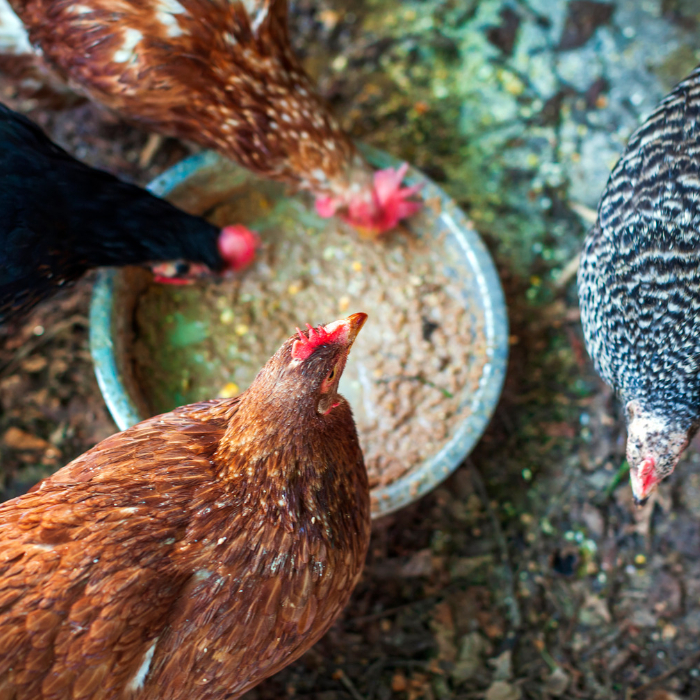
In autumn feed high protein feed to supply nutrients for moulting.
Autumn Vitamin Supply
During autumn, natural foraging sources (like green grass and insects) decline rapidly, while environmental stress spikes. Targeted supplementation ensures your flock’s body maintains optimal cellular repair and immune function.
- Vitamin A:
- Why use it: Vitamin A is essential for repairing and maintaining the integrity of mucosal linings throughout the respiratory and gastrointestinal tracts.
- How it helps: Intact mucous membranes act as a physical barrier, keeping respiratory pathogens like CRD and Coryza from invading the bloodstream.
- Vitamin D3:
- Why use it: Vitamin D is crucial as natural daylight hours diminish and sunlight becomes less intense.
- How it helps: Maintains proper calcium and phosphorus absorption for bone health and shell quality (for active layers), while actively regulating immune cell activity against seasonal viruses.
- Vitamins C and E:
- Why use them: Both vitam C and E are potent antioxidants that neutralize cell-damaging free radicals caused by thermal volatility and heavy moulting stress.
- How it helps: Vitamin E accelerates skin and tissue repair during feather regeneration, while Vitamin C reduces systemic cortisol (stress hormone) levels during sudden cold snaps.
- B-Complex Vitamins (B1, B2, B6, B12):
- Why use them: Vitamin Bs are essential co-enzymes for energy metabolism and protein synthesis.
- How it helps: They support the liver in converting feed into usable energy for body heat, while speeding up keratin assembly for new pin feathers.
Pro Tip: Add a water-soluble multivitamin and electrolyte complex to their drinking water 2 to 3 days per week during peak moulting or right before an forecast cold front. Electrolytes ensure proper cellular hydration and mineral balance when temperature swings alter their drinking habits. Use natural, bioactive forms.
Autumn Diseases and Health Risks
While a high-protein diet supports feather growth, the combination of physical exertion from moulting and sudden weather shifts leaves your flock's immune system especially vulnerable to autumn health threats.
This seasonal vulnerability stems primarily from two main environmental drivers:
- Climate and Dampness: Fluctuating temperatures, high humidity, and wet ground.
- Seasonal Wildlife Movements: Migratory bird activity and lingering autumn pests.
Increased moisture and chilly conditions foster respiratory illnesses such as Chronic Respiratory Disease (CRD) and Infectious Coryza, promote internal and external parasites, and encourage toxic mycotoxin growth in wet, mouldy litter. Simultaneously, seasonal environmental shifts elevate the threat of Avian Influenza from migrating wild birds and mosquito-borne Fowl Pox—both striking at a time when your flock is already physically drained from shedding and regenerating feathers.
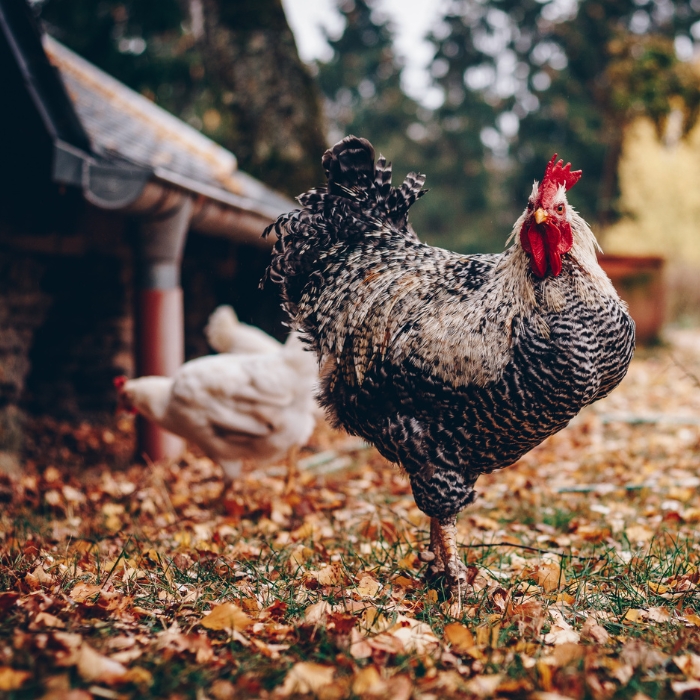
Increased moisture and chilly conditions foster respiratory illnesses in poultry.
1. Chronic Respiratory Disease (CRD) and Infectious Coryza
As damp autumn air settles in, poor coop ventilation and rising ammonia levels at roost height quickly create a perfect storm for respiratory distress.
- Triggers & Vulnerabilities: High humidity paired with inadequate airflow irritates sensitive mucous membranes, allowing pathogens like Mycoplasma and Avibacterium to take hold.
- Recognizing the Signs: Watch for early clear eye discharge that worsens into frothy bubbles, accompanied by swollen sinuses, frequent sneezing, and rattling breath sounds. Infectious Coryza presents an extra red flag: a distinct, foul odor originating from the face and beak.
- Actionable Management: At the first sign of symptoms, isolate affected birds in a warm, dry quarantine area to slow transmission. Gently flush eyes and nostrils with sterile saline to clear dried crusts, and consult a veterinarian for targeted antibiotics if the infection escalates. Crucially, address the root cause in the coop immediately by opening high-level ridge vents to vent moisture while ensuring roosting areas remain draft-free at bird level.
2. Avian Influenza (Bird Flu)
Autumn wild bird migrations bring a heightened threat of Avian Influenza, a devastating viral disease that every poultry keeper must take seriously.
- Triggers and Transmission: The virus spreads primarily through the droppings and nasal secretions of migrating waterfowl. Uncovered outdoor runs, open feed dishes, and shared natural puddles are major contamination points.
- Recognizing the Signs: Low-pathogenic strains may cause mild coughing and a dip in egg production, but highly pathogenic strains strike with terrifying speed. Look for sudden, unexplained deaths, severe lethargy, purplish-blue combs and wattles (cyanosis due to circulatory failure), and neurological symptoms such as tremors or twisted necks.
- Actionable Management: There is no medical cure for Bird Flu in poultry, making strict biosecurity your only line of defense. Cover outdoor runs with tarps to block wild bird droppings, move all feed and water indoors, and wear dedicated run boots. If you suspect Bird Flu in your flock, isolate the area and contact your local veterinary authority immediately, as it is a mandatory reportable disease.
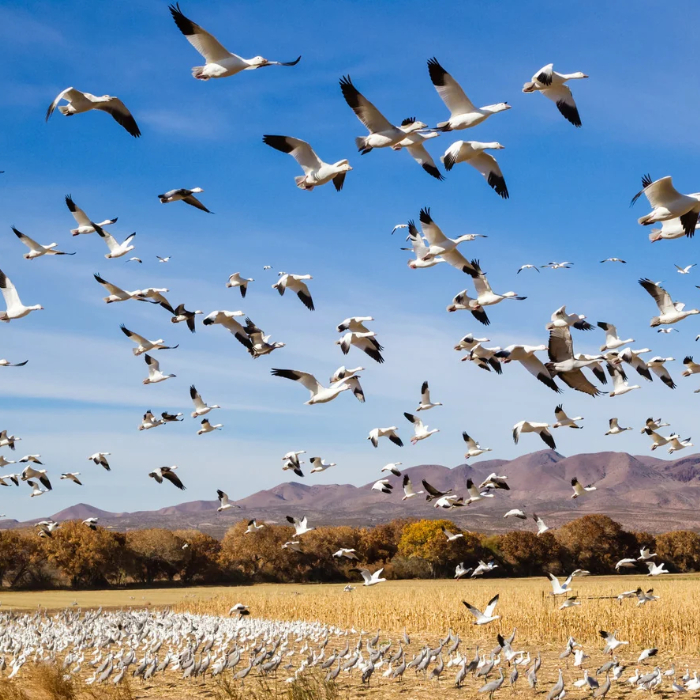
Autumn wild bird migrations bring a heightened threat of Avian Influenza.
3. Fowl Pox
Even as summer fades, lingering mosquito populations in damp lowlands continue to pose a threat by transmitting the Fowl Pox virus to unprotected flocks.
- Triggers & Transmission: Mosquitoes act as the primary vector, transmitting the virus when feeding on unfeathered skin. The virus can also spread through minor cuts or peck wounds when birds come into contact with infectious scabs.
- Recognizing the Signs: Fowl Pox manifests in two forms. Dry Pox (the most common form) creates distinctive small yellow bumps that develop into dark, scab-like lesions on combs, wattles, and eyelids. Wet Pox is far more severe, forming cheesy, ulcerated lesions inside the mouth and trachea that cause open-mouth gasping and choking.
- Actionable Management: Because Fowl Pox is viral, the infection must run its course, which usually takes 3 to 5 weeks per bird. Dab dry lesions gently with a mild antiseptic (like dilute Betadine) to prevent secondary bacterial infections, but never pick the scabs off—this causes severe bleeding and spreads the virus. Focus on vector control by eliminating standing water near the run, and consider flock vaccination in late summer if you live in a high-risk mosquito region.
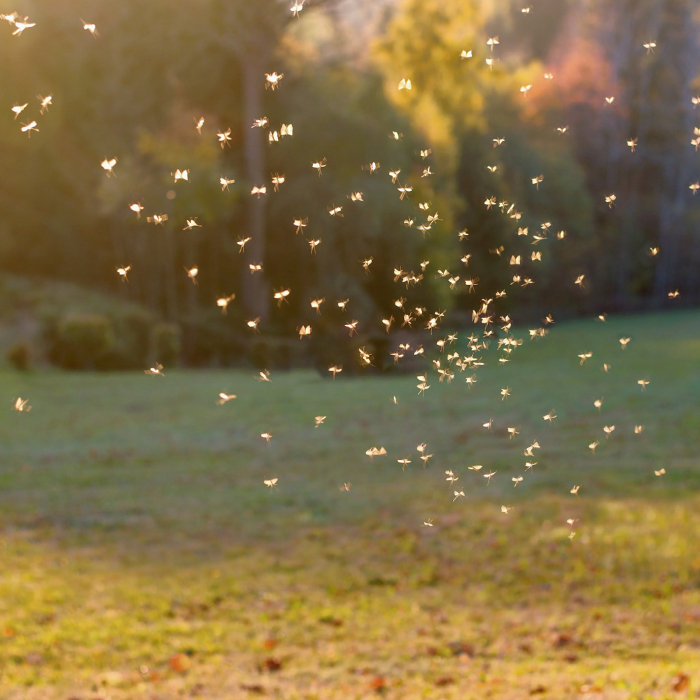
In autumn, lingering mosquitoes act as the primary vector of Fowl Pox, transmitting the virus when feeding on unfeathered skin.
4. Internal and External Parasites
Moist autumn soil creates thriving conditions for intermediate hosts, while spent energy from moulting leaves birds far less capable of shrugging off parasite loads.
- Triggers & Transmission: Damp soil attracts slugs, snails, and earthworms carrying internal worm eggs. Simultaneously, as birds spend longer nights huddled together inside damp coops, external pests like red poultry mites and lice reproduce rapidly in dark roost joints.
- Recognizing the Signs: Internal worm burdens (roundworms, tapeworms) cause gradual weight loss, pale combs, chronic diarrhea, and dirty vent feathers. Gapeworms specifically cause birds to stretch their necks and shake their heads while gasping for air. External parasites cause relentless itching, ragged feather loss around the vent, pale combs from anemia, and a sudden reluctance to roost in the coop at night.
- Actionable Management: Break parasite life cycles by offering covered, bone-dry dust bath boxes filled with clean sand, wood ash, and Diatomaceous Earth (DE). Restrict access to waterlogged pasture where earthworms surface, deep clean coop roosts with natural oil sprays to suffocate hiding mites, and treat internal infestations with a vet-approved poultry dewormer (such as Flubendazole).
- Use Respiratory Support Herbs: Herbs (such as oregano or garlic) contain natural phytogenic compounds (like carvacrol, thymol, and allicin) that provide natural antimicrobial support without causing antibiotic resistance. Other herbs and essential oils (as peppermint, thyme or eucalyptus) act as an expectorant. They clear mucus from the trachea, act as natural decongestants and bronchodilators, opening respiratory airways during humid, misty autumn mornings, and suppress respiratory pathogens. Use natural herbal feed supplements orally via drinking water that contain these and similar herbal extracts.
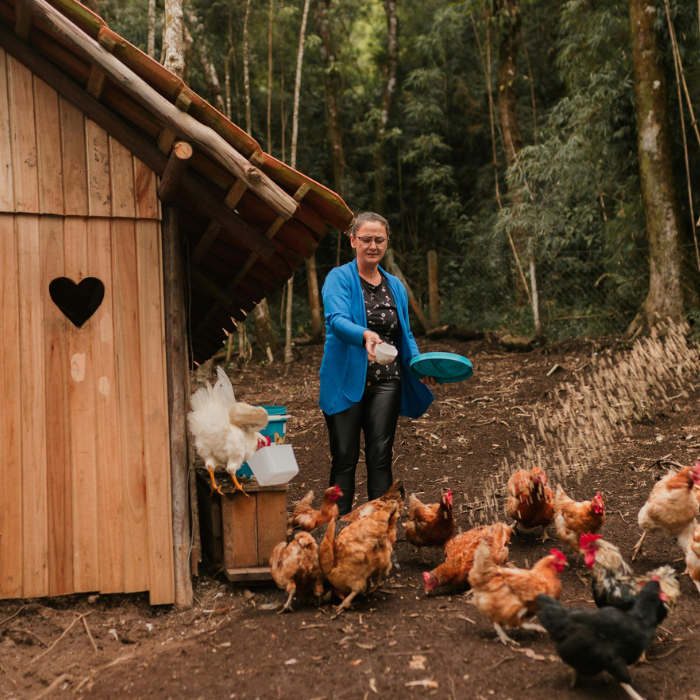
Herbal feed supplements act as natural decongestants and bronchodilators, opening respiratory airways and suppressing respiratory pathogens.
Seasonal Coop Maintenance: The Autumn Checklist
Preparing the coop before the first hard frost strikes will save you time, effort, and vet bills later.
|
Task
|
Action Required
|
Purpose
|
|
Deep Clean & Sanitize
|
Strip old bedding, scrub perches, and spray with natural disinfectant (or lime wash).
|
Removes parasites and mould spores.
|
|
Check Drafts vs. Ventilation
|
Seal drafts at bird level, but leave high-level ridge vents open.
|
Drafts cause frostbite, but fresh airflow removes moisture and ammonia.
|
|
Paddock Management
|
Move mobile coops or restrict muddy runs using wood chips or straw.
|
Prevents mud rot, trench foot, and parasite buildup.
|
|
Rodent-Proofing
|
Store feed in metal bins and seal openings larger than 1.5 cm.
|
Mice and rats move toward warm coops in fall seeking food.
|
How to Adapt to Changing Climate Patterns
Climate change has visibly shifted traditional seasonal dynamics. We no longer transition smoothly from warm Augusts to crisp Septembers and cold Octobers.
Key Shifts and How to Adapt:
- Extended "False Summers": Unseasonably hot weather lasting into late September causes heat stress in moulting birds. Solution: Ensure shade and clean, cool drinking water remain available later into the year.
- Sudden Extreme Shifts: Temperature drops of 15°C in under 24 hours are becoming more frequent. Solution: Monitor regional weather forecasts closely and add vitamins to drinking water before a cold front arrives.
- Prolonged Parasite and Insect Activity: Milder autumns mean mosquitoes, red mites, and ticks remain active well into November. Solution: Continue regular coop pest checks and dusting areas with diatomaceous earth long past summer's end.
- Excessive Wet Cycles: Heavy autumn rains create standing water and mud baths in run areas. Solution: Invest in gravel sub-bases, coarse wood chips, and covered run roofs to keep feet dry.

Climate change causes changes in autumn weather, leading to prolonged summer and longer insect activity.
By understanding these seasonal shifts and adapting your management practices, you will guide your poultry through moulting and unpredictable weather, ensuring a healthy, resilient flock ready to conquer the winter ahead.
 Spend at least 25,000 HUF and enjoy
 For our human health products, visit our