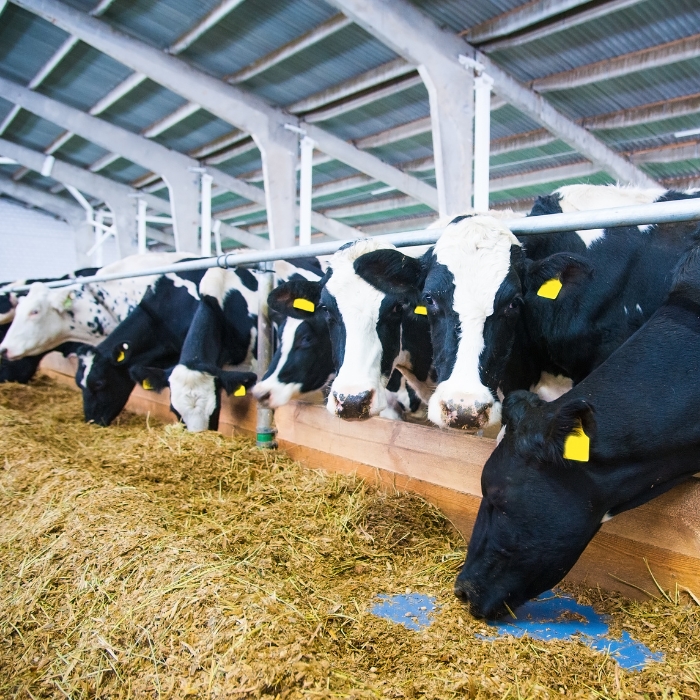
At the forefront of this paradigm shift is Selective Dry Cow Therapy (SDCT). The core of this method is targeted treatment, avoiding unnecessary antibiotic loads on healthy udder quarters. By applying modern screening protocols, dairy farms can completely eliminate preventive antibiotic use in up to 50–70% of cows being dried off—while preserving the herd's long-term udder health status and productivity (NMC, 2020).
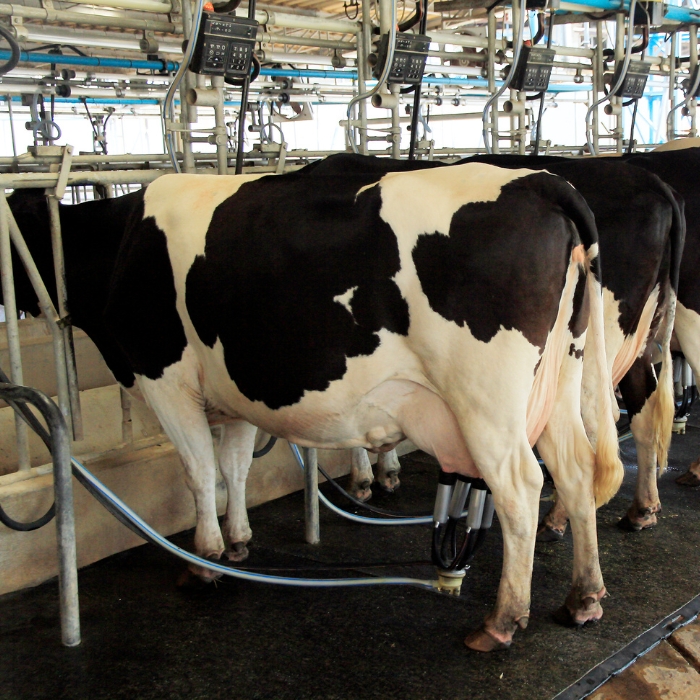
The core of SDCT is that targeted treatment avoids the unnecessary antibiotic burden on healthy udder quarters.
Why Has Blanket Treatment Become Unsustainable?
Preventive (prophylactic) antibiotic use at dry-off was once routine, but today numerous veterinary, economic, and legal arguments speak against it:
- Stricter EU Regulations: The European Union Regulation on veterinary medicinal products (Regulation (EU) 2019/6) strictly limits the routine, preventive use of antimicrobials. Blind, herd-wide antibiotic treatment is now subject to legal and professional revision.
- Selection Pressure and Resistance: Unjustified use of antibiotics accelerates the proliferation of resistant bacterial strains (e.g., Staphylococcus aureus, Escherichia coli). Infusing an antibiotic into a healthy udder quarter can disrupt the udder's natural microbiome, creating room for more resistant pathogens to gain ground (Irish Veterinary Journal, 2021).
- Unnecessary Economic Burden: Intramammary antibiotic tubes represent a significant expense. Eliminating these products in the healthy portion of the herd yields direct savings in medication costs.
Principles of Selective Dry Cow Therapy (SDCT)
SDCT does not mean the irresponsible abandonment of antibiotics. Instead, it is about decision-based medicine:
- Infected cows/quarters: Receive appropriate, targeted antibiotic treatment at dry-off so existing infections heal during the dry period.
- Healthy cows/quarters: Receive no antibiotics at all. In these cases, protection relies solely on mechanical barriers (internal teat sealants), hygiene, and supporting natural immunity (Bradley et al., 2010).
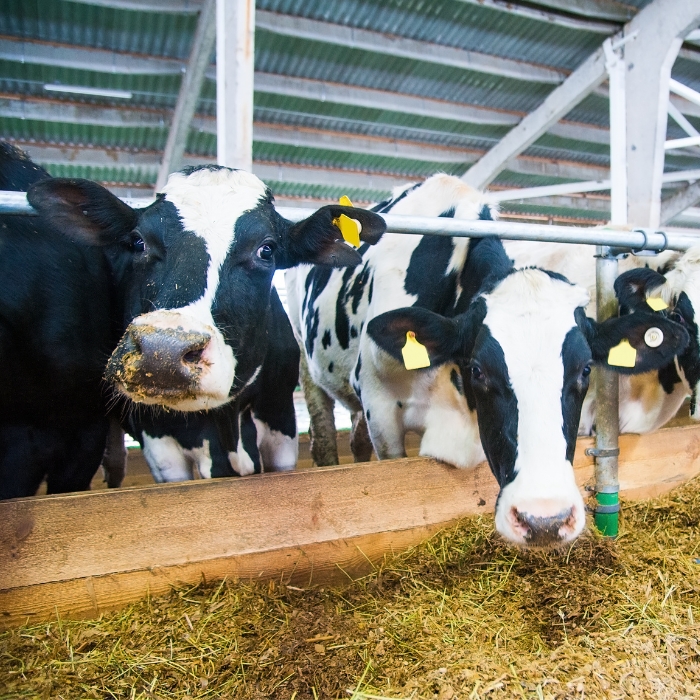
SDCT centers on decision-based, targeted treatment and can yield substantial cost savings for dairy operations.
What Screening Protocol is Needed for the Transition?
For SDCT to work safely in practice, a farm must establish a clear, measurement-based decision protocol built on the following pillars:
1. Analysis of Monthly Somatic Cell Count (SCC) Data
Somatic cell count is the most widely accepte/d screening tool for detecting mastitis. It is advisable to evaluate data from the 3 to 6 months preceding dry-off.
- Healthy Threshold: According to international guidelines, if a cow's SCC was consistently below 200,000 cells/mL across the last 3 milk recordings before dry-off, the animal is considered low-risk from an udder health perspective (NMC, 2020).
- Suspected Infection: If the SCC rose above 200,000 cells/mL even once during the final trimester of lactation, it indicates a subclinical infection, meaning the animal may require targeted antibiotic treatment.
2. Examination of Lactational Clinical History
Looking at SCC alone is insufficient; clinical mastitis cases occurring throughout lactation must also be documented:
- Clean History: The cow had zero clinical mastitis episodes throughout the entire completed lactation.
- Clinical History: If the cow had 1 or more clinical mastitis cases during lactation, it represents an increased risk, making therapeutic protection justified.
3. On-Farm Rapid Tests and Bacteriological Testing
Additional diagnostic tools can clarify questionable cases:
- California Mastitis Test (CMT): A quarter-level rapid test performed directly in the parlor on the day of dry-off. If the reagent forms a gel, it indicates inflammation.
- On-Farm Culturing: Rapid culture testing from milk samples collected in the days prior to dry-off helps identify specific pathogens, aiding in targeted active ingredient selection.
Decision Matrix at Dry-Off
|
Parameter / Criterion
|
Healthy Group (No Antibiotics)
|
Infected / High-Risk Group (Requires Antibiotics)
|
|
Last 3 SCC Measurements
|
Consistently < 200,000 cells/mL
|
At least 1 measurement ≥ 200,000 cells/mL
|
|
Clinical Mastitis in Lactation
|
0 cases
|
1 or more cases
|
|
CMT Test at Dry-Off
|
Negative in all quarters
|
Positive in at least 1 quarter
|
|
Therapy to Apply
|
Internal teat sealant + natural udder care
|
Targeted antibiotic + internal teat sealant
|
The Essential Role of Internal Teat Sealants
Many mistakenly believe that omitting antibiotics means applying no protection at dry-off. However, this is a misconception.
In dairy cows, a keratin plug naturally forms in the teat canal after drying off, creating a barrier against ascending bacteria from the environment. However, in a significant proportion of high-yielding cows, this keratin plug fails to form or forms incompletely during the first few weeks of the dry period (Rabiee & Lean, 2013).
This is where internal teat sealants (bismuth subnitrate-based gel) step in:
- Mechanical Barrier: Applied to the base of the teat canal, the gel acts as a physical plug closing the teat orifice throughout the entire dry period.
- No Active Ingredient Absorption: Teat sealants contain no antimicrobial agents, are not absorbed, and are easily stripped from the udder at the first milking post-calving.
- Strict Hygiene Requirement: When administering teat sealants, disinfection is paramount! Without meticulous cleaning and alcohol disinfection of the teat end, introducing pathogens poses a severe risk.
Step-by-Step Hygienic Dry-Off Procedure
On farms implementing the SDCT protocol, drying off is a precise veterinary procedure:
- Complete Stripping: The udder must be milked completely dry.
- Thorough Teat Disinfection: Teat ends must be individually scrubbed clean with a 70% alcohol wipe.
- Order of Administration: Infusions and teat sealants should be administered starting from the closest teats to the furthest.
- Post-Procedure Teat Dipping: At the end of the procedure, dip the teats in a protective teat dip solution.
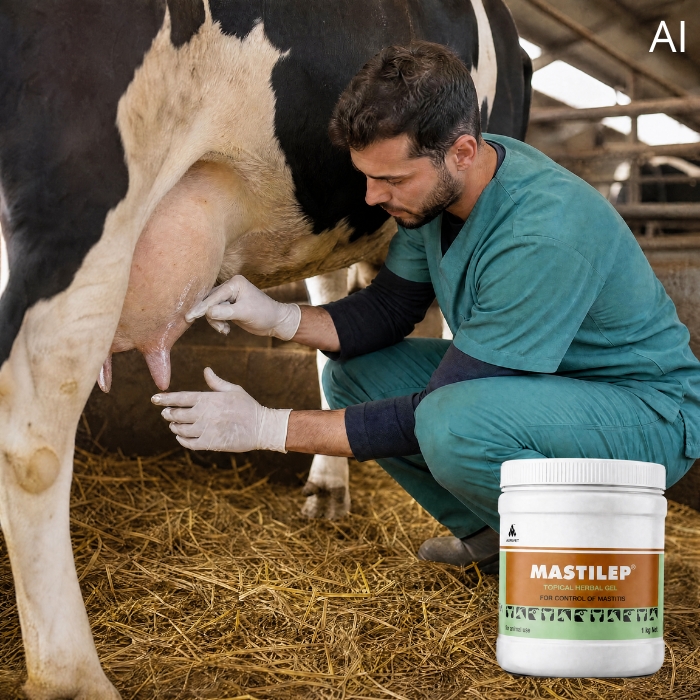
Topical udder care preparations can also provide significant support during the dry period.
The Role of External Udder Treatment During the Dry Period
Parallel to reducing preventive antibiotic use, naturally supporting udder tissue during the dry period becomes increasingly valuable. Topical products like MASTILEP udder gel—which possesses antibacterial properties—provide complementary support in this process. MASTILEP is a phyto-active herbal udder care formulation (containing extracts of Cedrus deodara, Curcuma longa, Glycyrrhiza glabra, Eucalyptus globulus, and other herbs) whose components are recognized for their anti-inflammatory, analgesic, and immunomodulatory properties (Bhatt et al., 2014).
During the critical early days of dry-off—when stopping milk production causes tension and tissue stress within the udder—topical treatment with MASTILEP gel helps alleviate engorgement. Using the gel softens udder skin, inhibits the proliferation of surface microorganisms, and helps maintain somatic cell counts at favorable levels in the supportive treatment of both clinical and subclinical cases (Sakhare et al., 2023).
In subclinical mastitis, MASTILEP can be used as a standalone treatment up to an SCC of approximately 500,000 cells/mL. Above 500,000 cells/mL, it serves as an adjunct to antibiotic therapy, significantly shortening recovery times.
The active components in MASTILEP gel function as immunomodulators that dynamically regulate inflammatory molecules and enhance host cytokine responses. These mechanisms help manage inflammation and support the immune responses essential for effective mastitis management (Bhatt et al., 2014).
Because the product contains no antibiotics, its application requires zero withdrawal period for milk or meat. Consequently, it fits seamlessly into both conventional selective dry-off protocols and organic farming practices.
Summary
Selective Dry Cow Therapy (SDCT) is a sustainable practice aligned with modern livestock management principles and European veterinary regulations. By establishing protocols rooted in regular somatic cell count monitoring, precise record-keeping, and strict dry-off hygiene, farms can rationalize antibiotic usage. Combining the physical protection of internal teat sealants with natural anti-inflammatory udder care products like MASTILEP gel helps safeguard udder health throughout the dry period, potentially generating substantial cost savings for dairy operations.
References
- Regulation (EU) 2019/6 of the European Parliament and of the Council of 11 December 2018 on veterinary medicinal products and repealing Directive 2001/82/EC. Official Journal of the European Union.
- Bhatt, S., et al. (2014). Polyherbal formulation (MASTILEP) in the management of bovine mastitis and its effect on cytokine modulation. Journal of Veterinary Science & Technology, 5(3).
- Bradley, A. J., et al. (2010). The impact of a teat sealant combination with selective dry cow therapy on udder health in dairy cows. Journal of Dairy Science, 93(3), 1025-1033.
- National Mastitis Council (NMC) (2020). Recommended Mastitis Control Program. NMC Guidelines, New Prague, MN.
- Rabiee, A. R., & Lean, I. J. (2013). The effect of internal teat sealant products on intramammary infection rates and clinical mastitis in dairy cows: A meta-analysis. Journal of Dairy Science, 96(11), 6915-6931.
- Sakhare, M., Siddiqui, M. F., Shafi, T. A., Negi, B., & Ganguly, B. (2023). Efficacy evaluation of some polyherbal formulations in the management of subclinical mastitis in buffaloes. The Pharma Innovation Journal, 12(3), 4651-4654.
 Spend at least 25,000 HUF and enjoy
 For our human health products, visit our