In this guide you will learn about:
- What is a foxtail?
- Why are foxtails so dangerous for our pets?
- Where are foxtails most commonly found?
- When is foxtail season?
- Which body parts are most vulnerable?
- What symptoms indicate a foxtail in our pets?
- Signs of foxtails in the ears, nose, eyes, throat, and paws.
- What to do if you find a foxtail in your pet?
- How to safely remove a foxtail?
- Can foxtails be avoided?
- Risks of undetected foxtails in your pets.
What is a foxtail?
A foxtail (or grass awn) is the seed of wall barley and similar wild weeds. As the plant dries out, the seed heads break apart into individual awns. Featuring sharp, barbed tips, these seeds easily catch on a dog's coat, paws, or body openings. As the dog moves, the foxtail works its way deeper into tissue, triggering severe, potentially life-threatening irritation and inflammation.
Why are foxtails so dangerous for our pets?
Due to their shape and backward-facing microscopic barbs, foxtails cannot back out of tissue—they only migrate forward. Muscle movement pushes the embedded seed deeper into the body, where it can even reach internal organs. They cause:
- Painful swelling at the entry point.
- Acute or chronic tissue inflammation.
- Severe respiratory or digestive complications in critical cases.
Where are foxtails most commonly found?
Foxtails grow anywhere grass and weeds thrive, including meadows, forest edges, public parks, unmaintained yards, and freshly mowed fields.
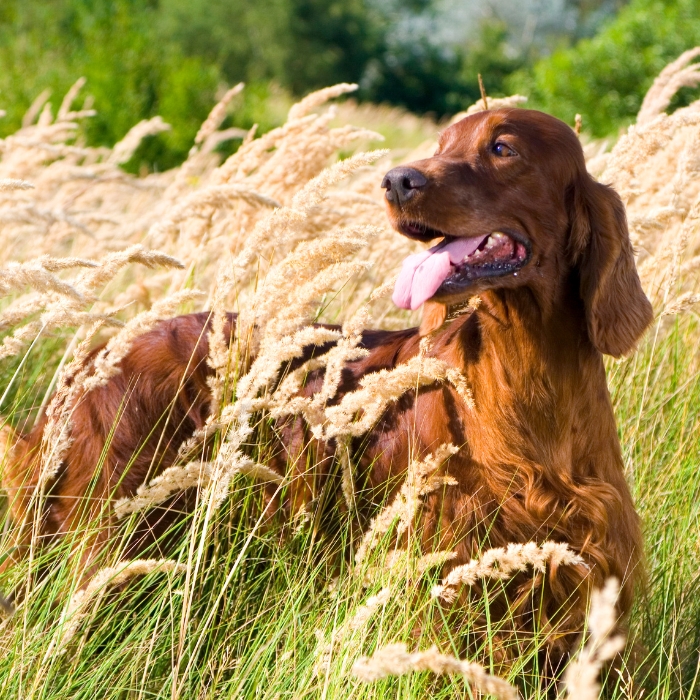
Foxtails are every pet owner's nightmare: with their prickly tips, they easily burrow into our pets' paws or other body tissues.
When is foxtail season?
The risk peaks during dry, warm months—typically between June and August—when dry seed heads break apart easily and the seeds are at their hardest and sharpest.
Which body parts are most vulnerable?
- Paws and between toes: Walking easily forces foxtails into paw pads and the thin skin between toes.
- Ears: Dogs with long, floppy ears are particularly prone; seeds catch in hair and travel into the ear canal.
- Eye area: Sniffing around weeds can drive awns into surrounding tissues, causing severe irritation or conjunctivitis.
- Nasal passages: Inhaling awns while sniffing causes intense sneezing, nasal discharge, mucosal inflammation, or breathing difficulty.
- Other body openings: Running or rolling in grass can push awns into the mouth, throat, genitals, or anus.
What symptoms indicate a foxtail in our pets?
- Compulsive paw licking or chewing
- Limping
- Head shaking, tilting the head to one side, or scratching at ears
- Squinting, watery eyes, discharge, or eye rubbing
- Violent sneezing or rubbing the nose
- Behavioural changes: lethargy, irritability, pulling away from touch, or reacting with yelps or snaps when touched
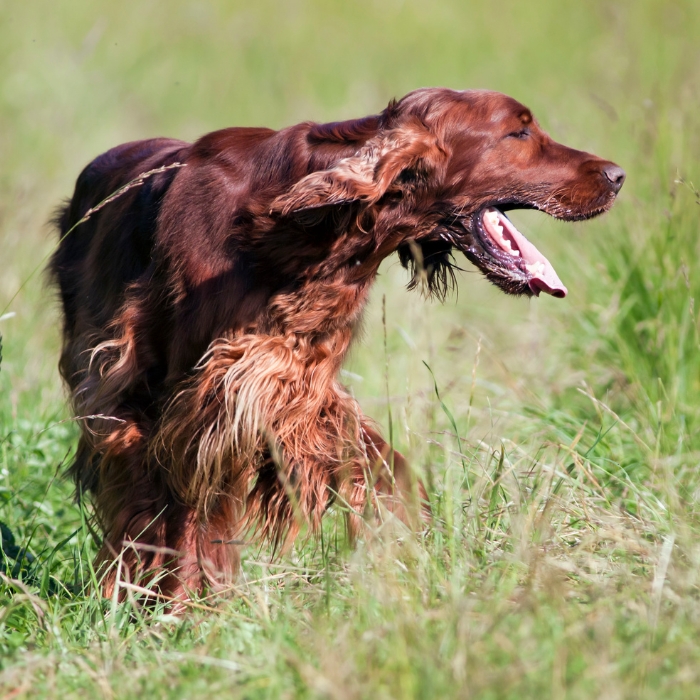
Compulsive paw chewing, head and ear shaking, violent sneezing, and gagging can all indicate the presence of a foxtail.
Foxtail in the ear
In long-eared breeds, awns easily slip into the ear canal. Affected dogs shake their heads compulsively, tilt their heads, or emit an unpleasant ear odor. Without professional removal, foxtails can cause severe ear infections or rupture the eardrum.
Foxtail in the nose
A foxtail inhaled into the nose causes sudden, violent sneezing and nasal discharge. Once embedded in the nasal mucosa, it can lead to nasal cavity infections and airway distress. Professional endoscopic removal under sedation is typically required.
Foxtail in the eye
Foxtails readily lodge in tissue around the eyes when dogs sniff or roll in grass. This leads to intense irritation, excessive tearing, discharge, redness, conjunctivitis, corneal ulcers, or permanent eye damage. Squinting and frequent rubbing are primary red flags.
Foxtail in the throat
While less common, dogs can inhale or swallow a foxtail while running, panting, chewing sticks, or playing. The awn burrows into the gums or throat lining, triggering pain, coughing fits, swallowing difficulty, gagging, or breathing distress.
Foxtail in the paw
Paws are the most common entry site. Embedded awns cause swelling, redness, and discharge between the toes. Dogs will constantly lick or bite the area and limp.
What to do if you find a foxtail in your pet?
If the foxtail has already penetrated beneath the skin or entered a body orifice, do not attempt to extract it yourself—this often breaks the tip or pushes it deeper.
- See a veterinarian immediately so they can safely extract it using specialized tools, often under sedation.
- Prompt treatment minimizes pain, inflammation, and secondary complications.
Removing a foxtail
Only attempt home removal if the foxtail is fully visible, resting on the surface, and pulls out effortlessly. If it is embedded, deep, or inside an opening, seek veterinary care. Due to intense pain, even gentle dogs will not tolerate deep extraction without sedation. Disinfect any surface wound after removal.

Foxtail removal is best left to a veterinarian.
Can foxtails be avoided?
While eliminating exposure completely is almost impossible during outdoor walks, you can reduce risks significantly:
- Inspect your dog thoroughly after walks, focusing on paws, between toes, ears, and body folds.
- Brush your dog's coat after every outing.
- Trim coat length around high-risk areas (paws, ears) in long-haired dogs during summer.
- Remove wall barley from your yard and avoid unmaintained grassy areas.
- Consider protective dog boots or paw covers.
- Monitor your dog closely for sudden behavioural shifts during or after walks.
What happens if a foxtail isn't caught in time?
Undetected foxtails travel continuously through soft tissue, creating sinus tracts, severe infections, and tissue damage. In extreme cases, migrating awns can reach thoracic or abdominal organs, becoming life-threatening. Early detection and veterinary intervention are vital to keeping your dog safe outdoors.
Useful Tip: If a foxtail causes an ear infection
When a foxtail triggers ear inflammation, treatment focuses on soothing tissue and controlling infection. Soothing, antimicrobial herbal preparations like Otosaf ear drops can help ease pain and support recovery thanks to their natural ingredients. Always use under veterinary guidance and consult your vet before administering any veterinary treatment.
 Spend at least 25,000 HUF and enjoy
 For our human health products, visit our