 Spend at least 25,000 HUF and enjoy
 For our human health products, visit our
Jul
27
2026
11:17
Jul
27
2026
11:17
The Benefits of Plant-Based Choline in Laying Hens
Improved eggshell quality and lipid profile, liver protection, and feeding-technology advantages.
Choline is a compound with numerous vital physiological functions, supplied to poultry both through internal synthesis and via feed. Because the metabolism of modern, high-performance livestock cannot synthesize sufficient amounts of choline, its dietary inclusion and proper utilization are critical to production success.
As a traditional source of choline, choline chloride—frequently utilized in premixes—exhibits numerous technological disadvantages (hygroscopic and corrosive properties) as well as nutritional-physiological drawbacks (trimethylamine formation).
In contrast, phospholipid-based, plant-derived choline sources eliminate the disadvantages of choline chloride, offer better absorption, and provide several favourable physiological effects.
Based on documented farm trials conducted with broiler chickens and laying hens, synthetic choline chloride can be successfully replaced in diets by herbal-based choline preparations without compromising production performance or product quality, while effectively supporting the animals' lipid metabolism.
Discover the potential of plant-based choline application through the results of a documented Hungarian farm trial!
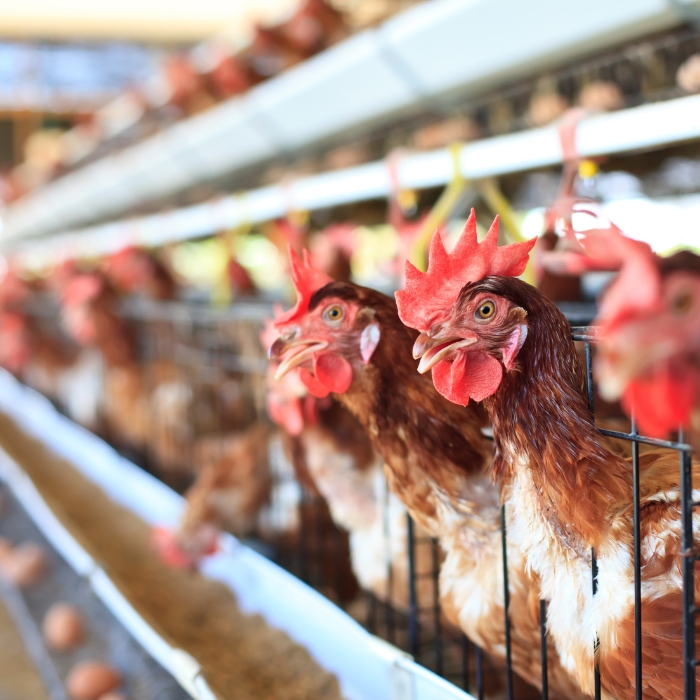
Synthetic choline chloride can be successfully replaced with herbal-based choline preparations in feeds.
The Physiological Role of Choline and the Risks of Traditional Choline Sources
Choline is an essential, vitamin-like compound that serves as a structural element of cell membranes, a precursor to acetylcholine, an effective methyl donor, and an indispensable factor in hepatic lipid transport (VLDL) processes. Because the organisms of modern, high-performance livestock cannot synthesize sufficient choline, its dietary supply and proper utilization are paramount.
Although feed ingredients naturally contain choline, its biological availability is inconsistent. Consequently, easy-to-dose and inexpensive synthetic choline chloride is commonly utilized in premixes; however, it possesses significant limitations:
- Technological Disadvantages: It is hygroscopic, corrosive, and unstable, which can lead to the degradation of water-soluble vitamins within the premix.
- Physiological Disadvantages: A significant portion of choline chloride fails to be absorbed in the digestive tract and is converted by intestinal bacteria into trimethylamine (TMA). TMA damages the intestinal epithelium, impairs liver metabolism, and can impart an undesirable fishy taint to meat and eggs.
Due to these technological and physiological constraints, animal nutrition research and practical application are increasingly turning toward natural, plant-based choline alternatives.
Liver Protection and Enhanced Absorption: The Advantages of Plant-Based Choline
Certain herbs naturally contain abundant phospholipid-based choline. These plant-based sources effectively overcome the shortcomings of synthetic choline chloride:
- Favourable Absorption and Safety: They do not generate trimethylamine (TMA) in the intestinal tract, thereby eliminating fishy-taint formation.
- Physiological Benefits: They exhibit documented hepatoprotective and lipid-lowering (hypolipidemic) effects [1, 2].
- Proven Efficacy: Research in broiler chickens has demonstrated the replacement of choline chloride without any loss in production performance [3], while in laying hens, they markedly improved egg production under heat stress conditions [4].
The plant-based choline complex (PCC) examined in this farm trial is a carefully formulated herbal blend (Citrullus colocynthis, Achyranthes aspera, Azadirachta indica, Trigonella foenum-graecum, Sida cordifolia, Nigella sativa, and Zingiber officinale) supplemented with soy lecithin.
- Key Properties: It acts as a powerful antioxidant, inhibits lipid peroxidation, reduces blood lipid levels, protects the liver, and serves as an excellent source for supplementing choline and biotin.
- Research Background: Its role in supporting hepatic metabolism has already been proven in broiler chickens [5, 6]; however, prior to this, knowledge regarding its effects on laying hens—specifically concerning production, physiological processes, and egg quality—remained limited.
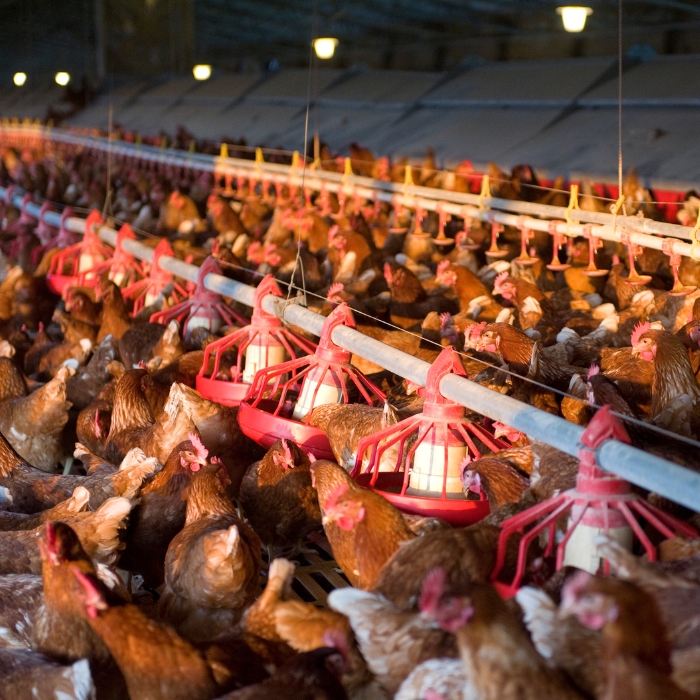
Plant-based choline sources effectively eliminate the shortcomings of synthetic choline chloride.
Experimental Design with Laying Hens
The primary objective of our trial with laying hens was to determine whether the active ingredients of the plant-based choline complex (PCC)—a standardized, phospholipid-based choline source containing herbal components—could be equivalent to the conventional choline chloride + betaine supplementation of feeds.
During the study, we monitored:
- Egg production and egg quality parameters,
- Blood plasma triglyceride and cholesterol concentrations, and
- Total liver lipid content.
The six-week trial was conducted at the experimental farm of the Institute of Physiology and Animal Nutrition at the Hungarian University of Agriculture and Life Sciences (MATE) in Keszthely, Hungary. The study involved 60 Nick Brown laying hens, 49 weeks of age, sourced from Kla-Man Farm Kft.
The animals were housed in group cages (5 hens per cage), utilizing 6 cages per treatment group. The hens consumed feed from a shared, manually filled feeder per cage, with 130 grams of feed measured out daily per bird, divided into two equal portions (65 grams at 8:00 AM and another 65 grams at 3:00 PM).
Two dietary treatments were established in the study (Control and PCC treatment):
- Control Treatment: Standard layer II feed formulation meeting the nutrient requirements of laying hens, supplemented with a premix containing choline chloride and betaine.
- PCC Treatment: A feed mixture identical in base ingredient composition to the Control diet, but without added choline chloride and betaine, supplemented instead with a premix containing the plant-based choline complex (PCC).
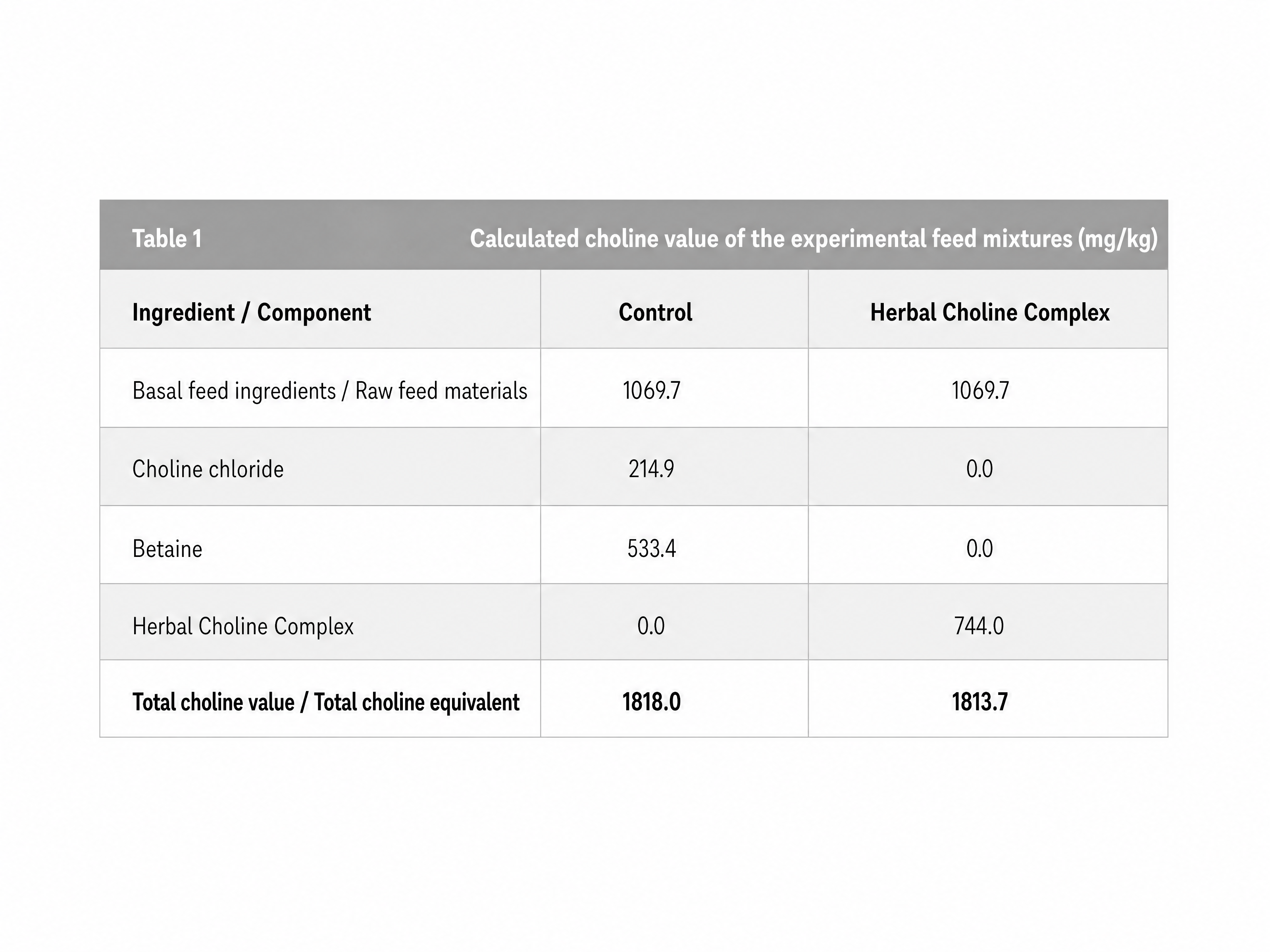
The calculated choline values of the experimental diets are presented in Table 1, demonstrating that the choline content of both diets was virtually identical.
Table 1: Calculated Choline Content of Experimental Feed Mixtures (mg/kg)
Production and Egg Quality Parameters
1. Production Performance
Both experimental treatments exerted a similar effect on the production performance of the laying hens.
- Body Weight: The average body weight of the animals showed no statistically significant differences between the groups, neither at the beginning nor at the end of the experiment.
- Feed Intake: Treatments did not affect feed consumption. The average daily feed intake during the six-week experimental period was 127.5 grams in the Control group and 127.1 grams in the PCC group.
- Egg Laying Intensity: No verifiable differences were observed between the groups. Hens in both treatment groups maintained outstanding production intensity throughout, at or exceeding 90% (Control average: 92.4%; PCC average: 92.1%).
- Feed Conversion Ratio: The feed conversion ratio calculated for the entire experimental period was identical between the two dietary groups.
2. Feeding and Nutrition:
- Feed Composition: The uniformity of production parameters reflects that the two experimental diets were formulated with identical base ingredients and equivalent choline values.
- Amino Acid and Vitamin Supply: The methionine + cystine concentration of the diets was uniform and met requirements, thus not influencing choline status. Biotin supply was likewise identical due to the matching biotin content of the feed ingredients and premixes.
Conclusion: The natural, plant-based choline source proved to be a full-value substitute for the synthetic form in this experiment. This is reinforced by scientific literature: plant-derived choline sources are capable of maintaining egg production at levels achieved by choline chloride [7] or even enhancing it [4].
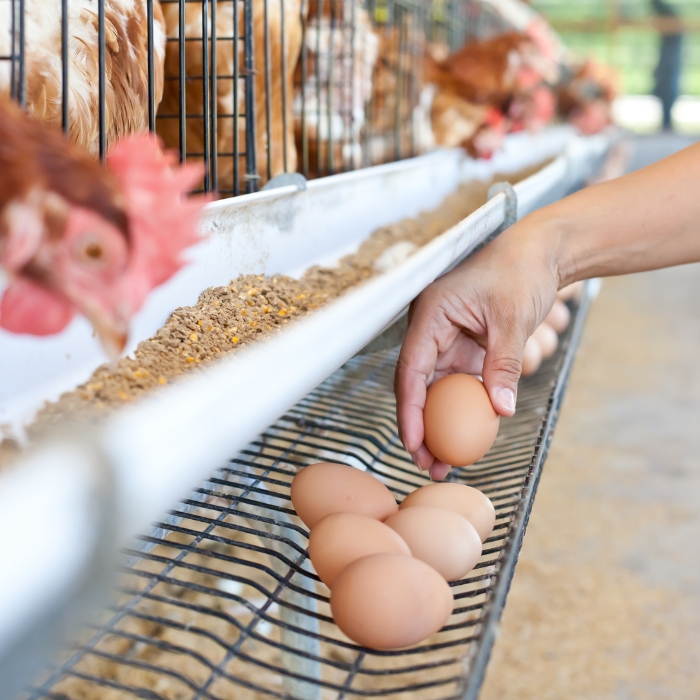
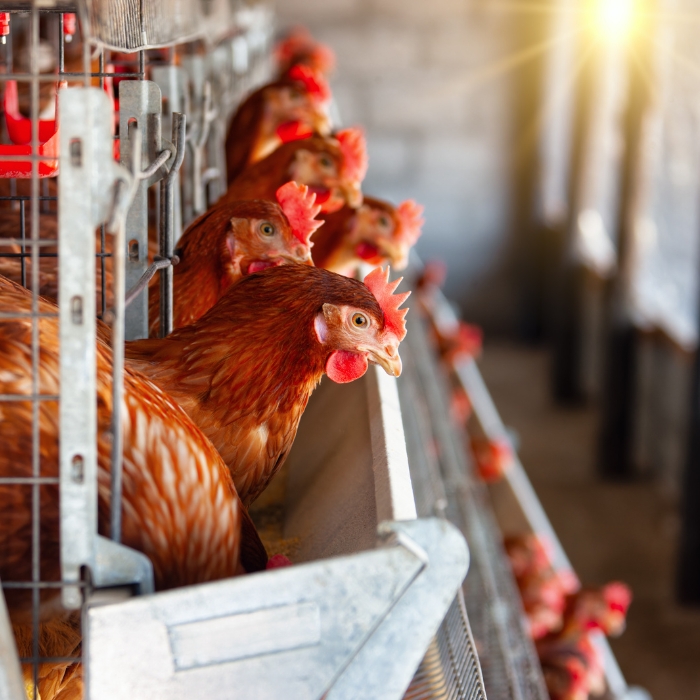
Plant-based choline sources are capable of maintaining egg production at the level achieved with choline chloride, or even improving it.
3. Egg Quality Parameters
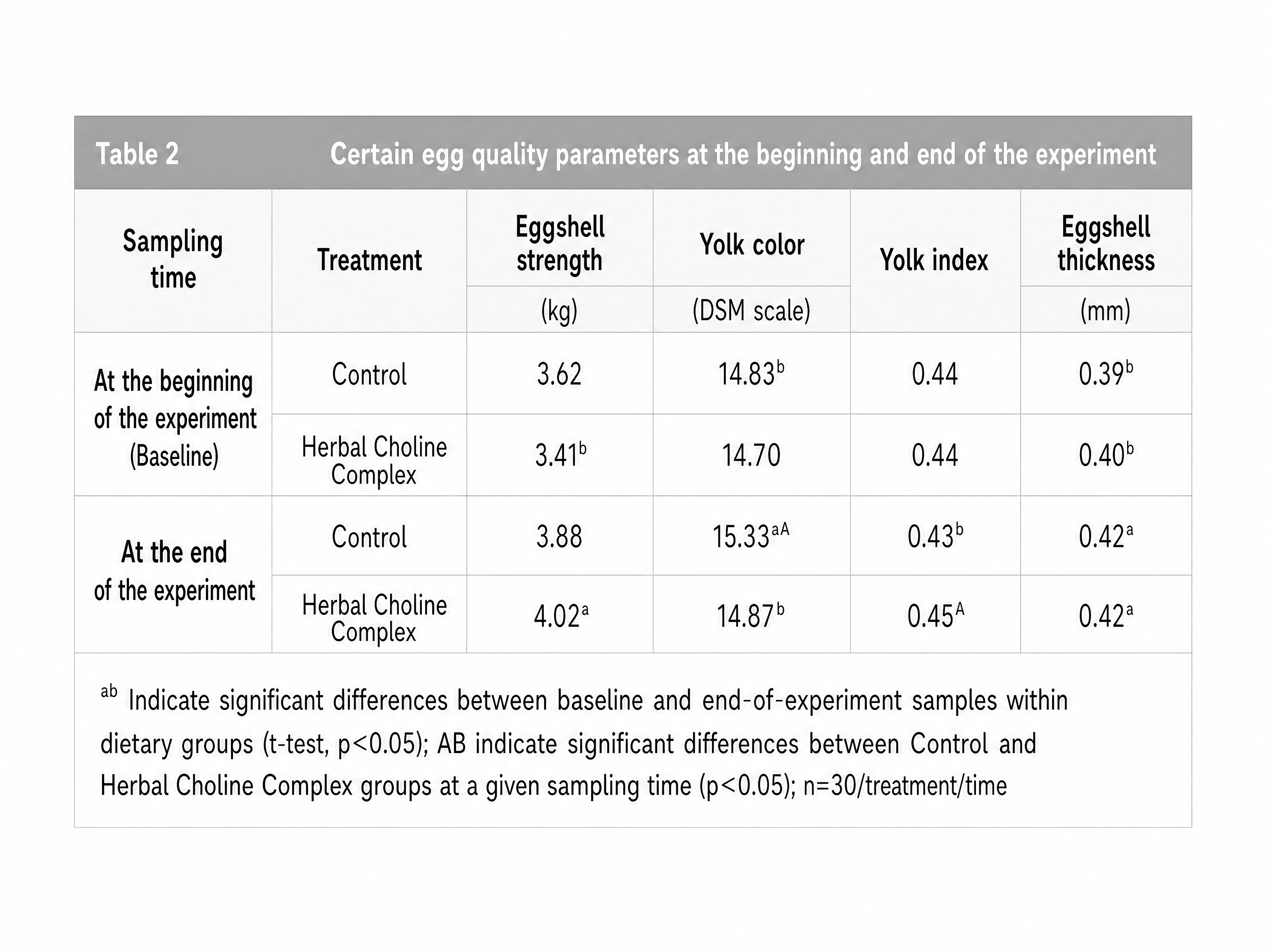
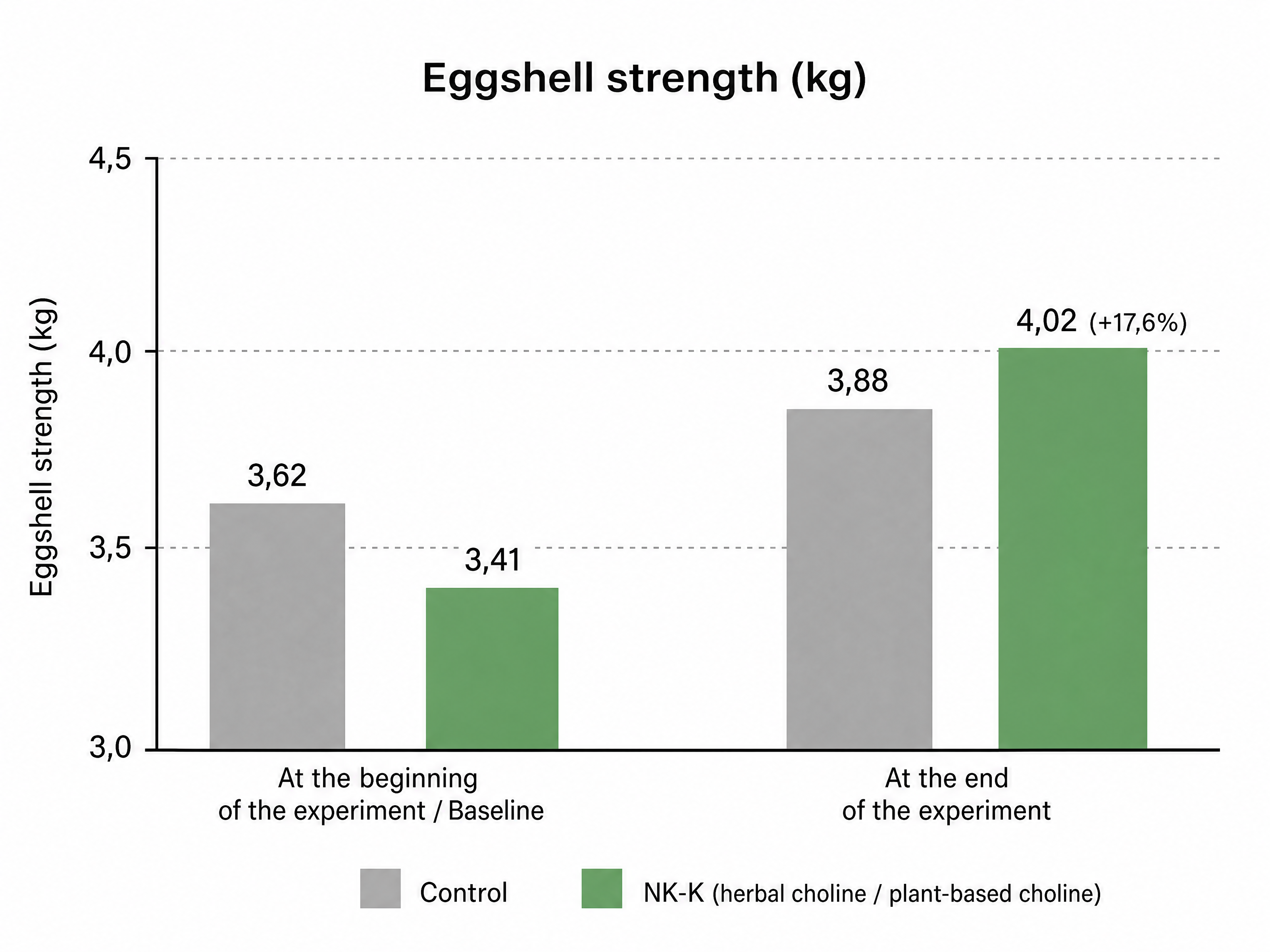
Out of the nine egg quality parameters examined (egg weight, eggshell breaking strength, eggshell thickness, albumen height, Haugh unit, yolk height, yolk diameter, yolk index, and yolk colour), significant changes were detected in four. The results are summarized in Table 2.
- Initial Status: Egg samples collected at the start of the experiment showed no verifiable differences between the Control and PCC groups across any parameters.
- Eggshell Strength: The minimum force (kg) required to break the eggshell increased significantly in the PCC treatment by 0.6 kg, representing a 17.6% increase compared to the initial value. In contrast, this increase was not significant in the Control group (only 0.26 kg, or 7.1%). This favourable change is attributed to the active components of PCC, which likely supported calcium deposition into the eggshell and/or the formation of shell-matrix proteins.
- Yolk Colour: In the Control group, egg yolk colour evaluated on the DSM/Roche scale became significantly darker by the end of the experiment (increasing by approximately 0.5 points to a value of 15.33). This colour was significantly darker yellow than the eggs of hens fed the PCC diet (14.88).
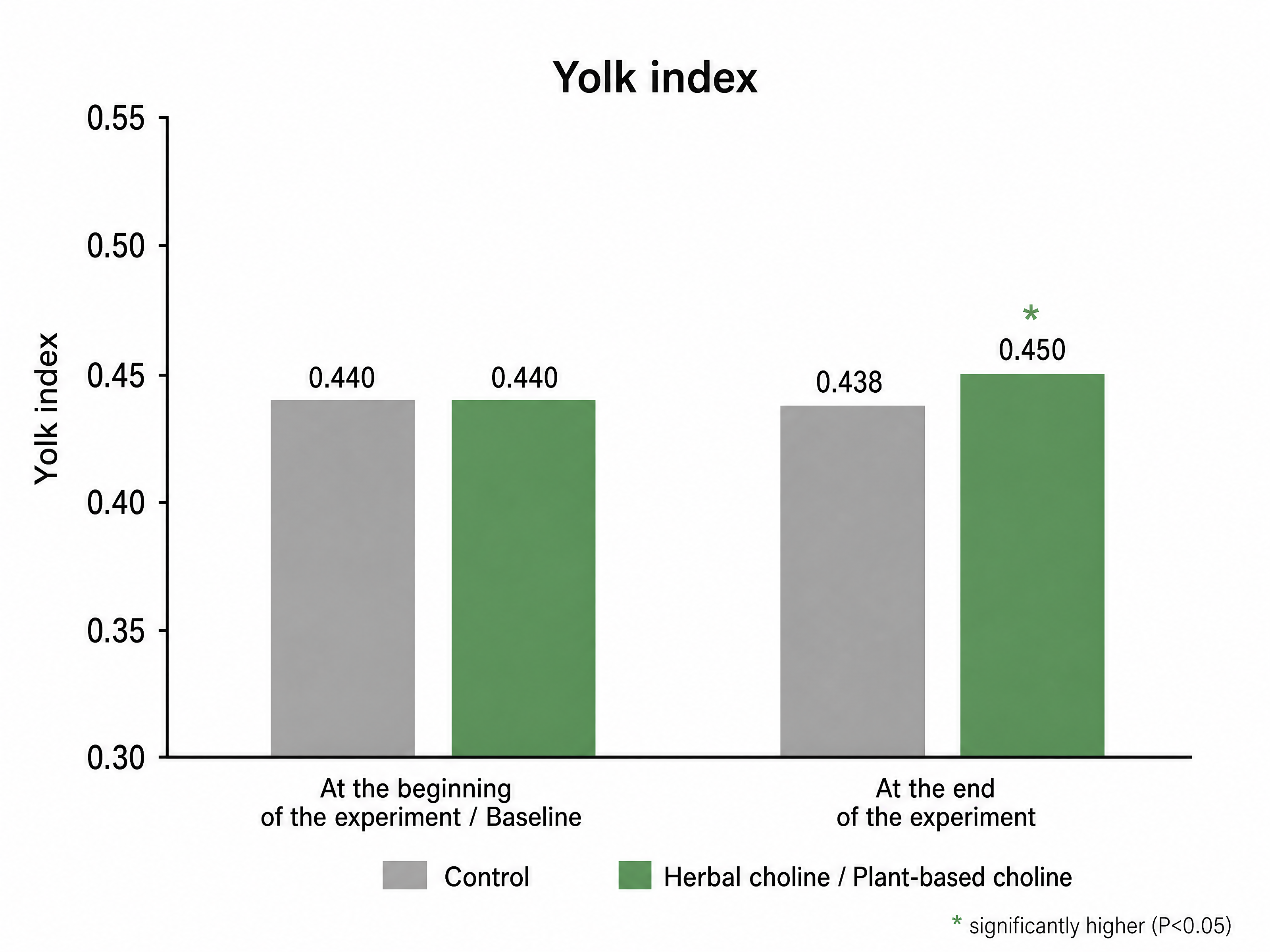
- Yolk Index: At the end of the experiment, the yolk index (ratio of height to diameter) of eggs from hens consuming the PCC mixture was significantly higher than that of the Control group. During storage, the yolk index typically declines because the protein network of the vitelline membrane surrounding the yolk relaxes and weakens. Since our experiment compared fresh eggs laid on the same day exclusively, the higher value measured in the PCC group indicates a stronger vitelline membrane structure [8]. The structural integrity of this membrane is biologically and technologically crucial: on one hand, it protects the yolk against pathogens and ensures proper embryonic development; on the other hand, it is of paramount importance for the egg-processing industry.
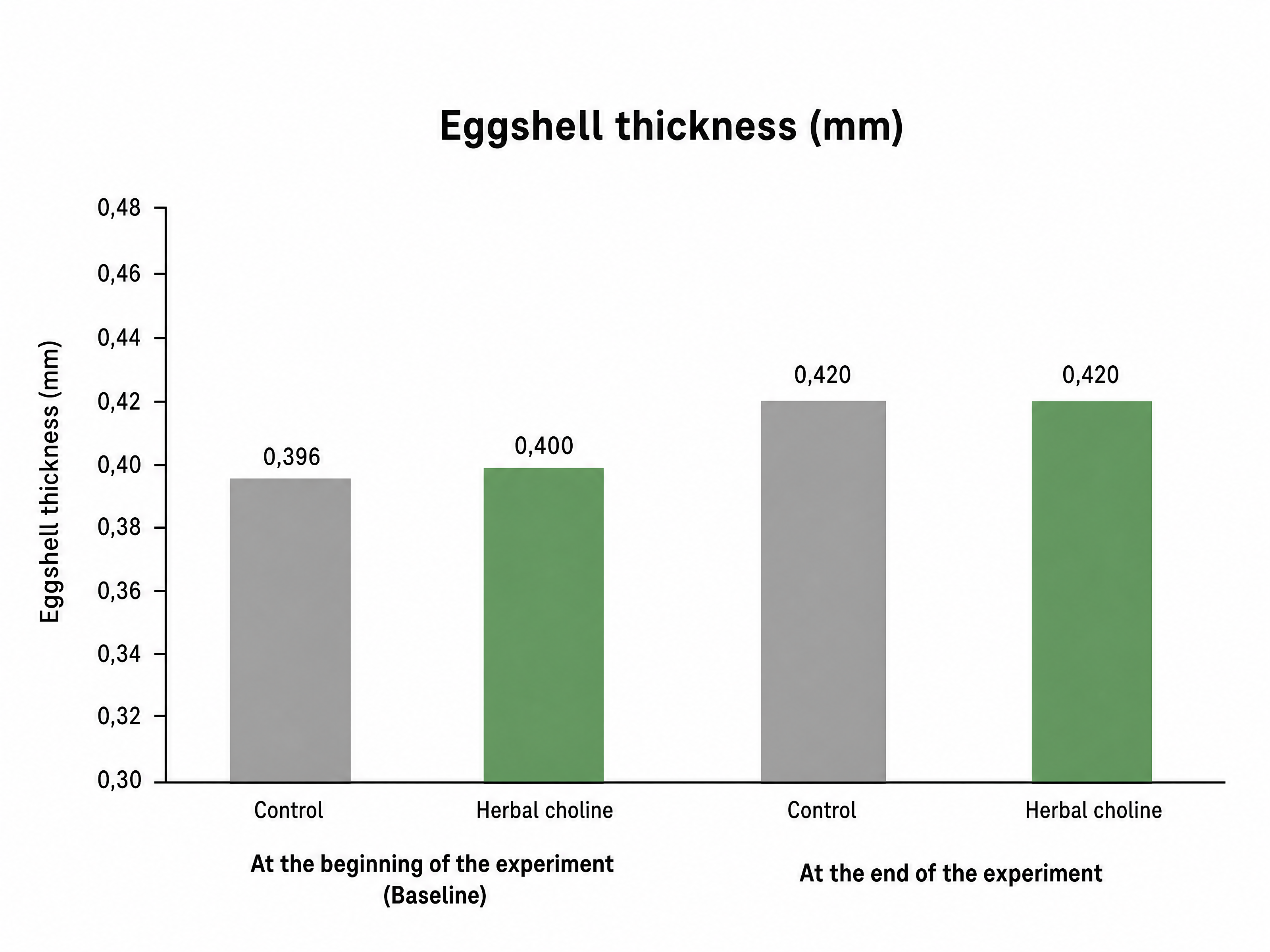
- Eggshell Thickness: Shell thickness increased significantly and to a similar extent in both groups during the six-week experiment; hence, no verifiable difference developed between treatments by the end of the trial.
Table 2: Certain Egg Quality Value Indicators at the Beginning and End of the Experiment
Physiological Parameters: Liver Functions, Plasma Lipids, and Egg Composition
Certain chemical characteristics of liver, blood plasma, and egg samples were measured at the start of the experiment (baseline or "zero" samples) and at its conclusion.
1. Liver Parameters and the Risk of Fatty Liver Syndrome
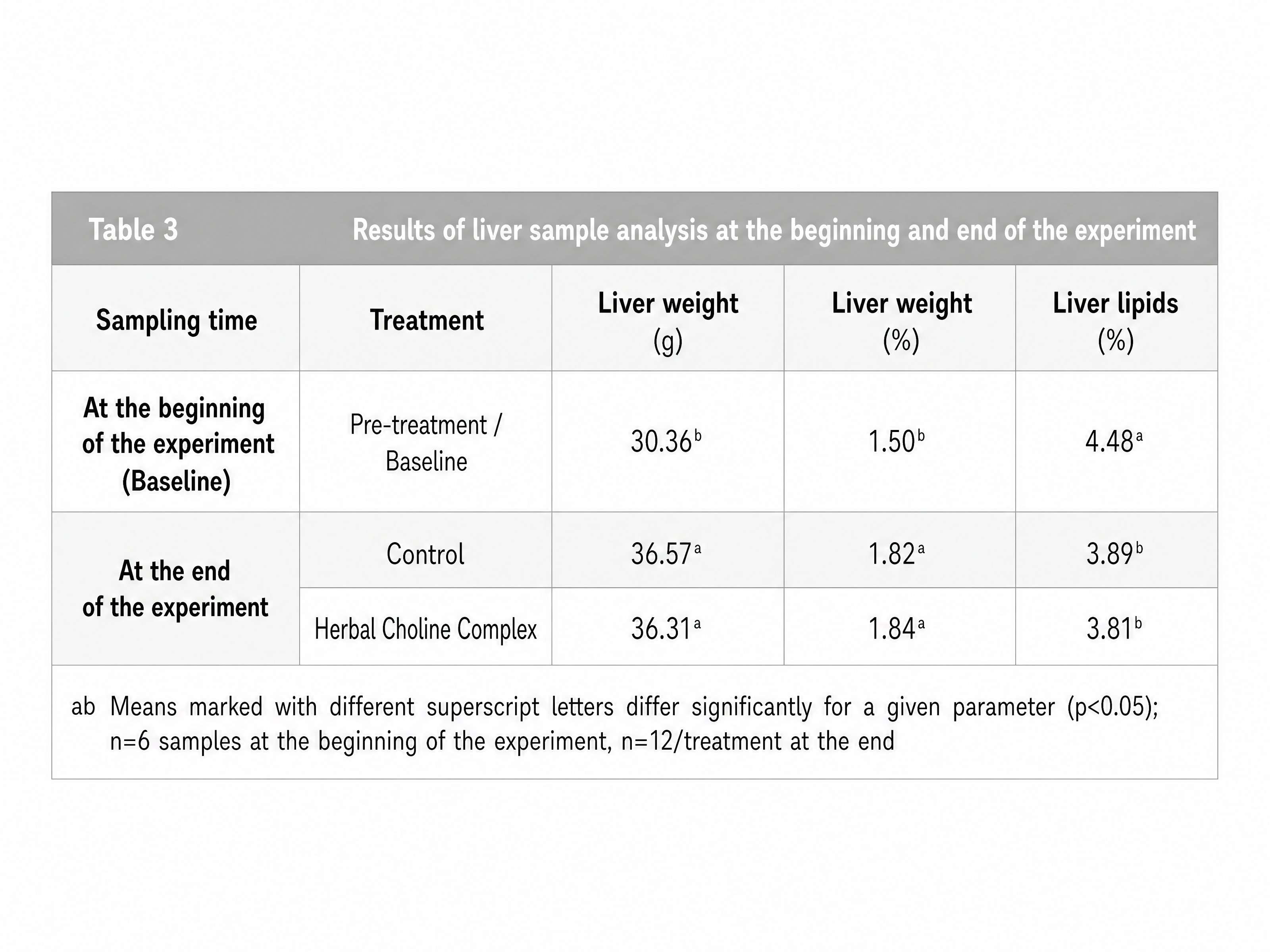
- Liver Weight: Both the absolute liver weight and its relative weight expressed as a percentage of body weight increased significantly by the end of the experiment compared to baseline values in both groups.
- Total Liver Lipid Content: Concurrently, total liver lipid concentration decreased significantly relative to the baseline state.
- Professional Evaluation: This favourable change can be explained by the fact that the diets used in the experiment—compared to the pre-trial feed—provided a superior supply of lipotropic factors (choline, methionine, betaine). These compounds reduce hepatic fat content and mitigate the risk of fatty liver syndrome.
- Comparison of Treatments: Regarding values measured at the end of the experiment, no statistically significant differences were observed between the Control and PCC groups for any liver parameter.
Table 3: Results of Liver Sample Analyses at the Beginning and End of the Experiment
2. Blood Plasma Lipid Profiles
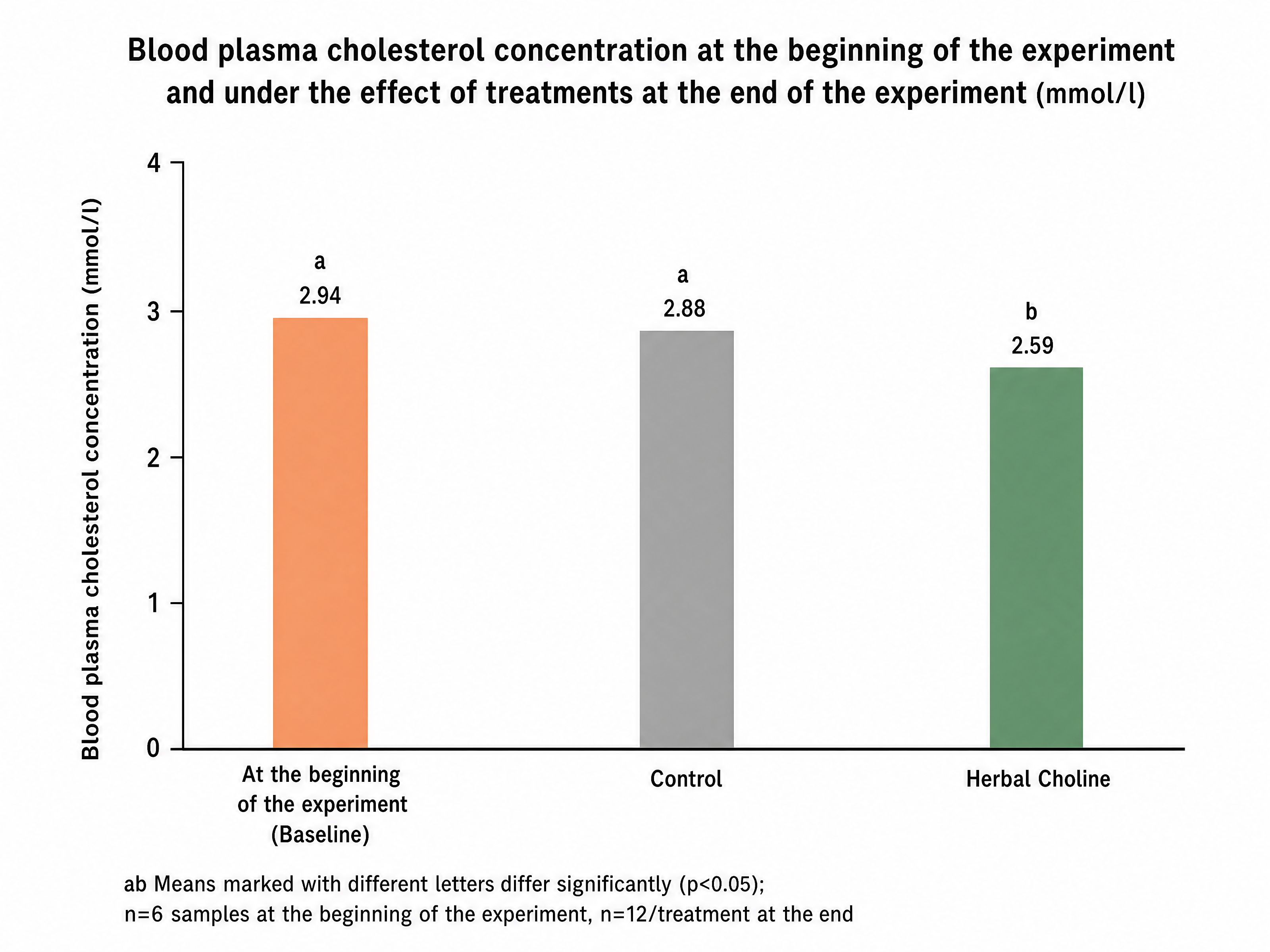
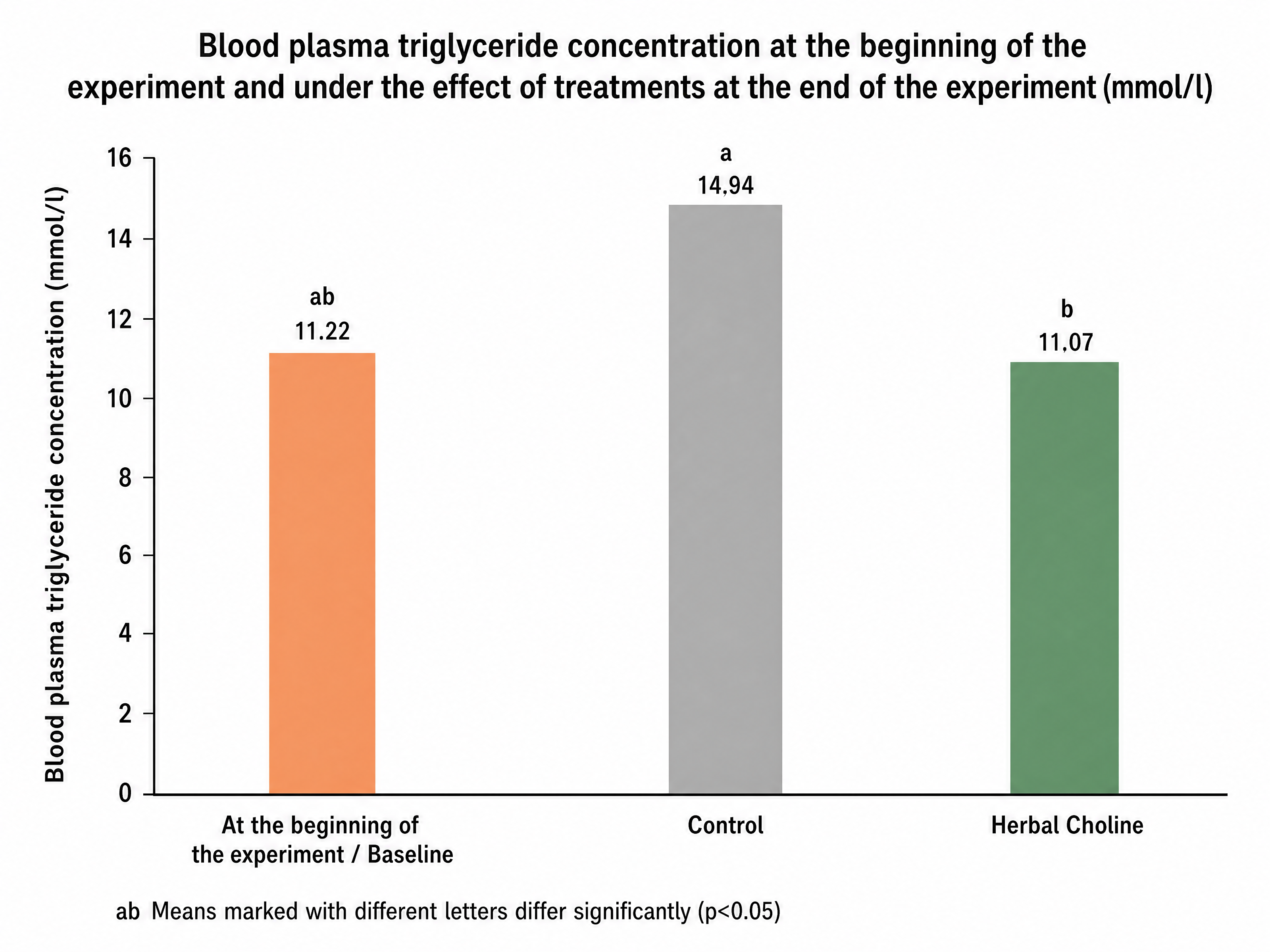
The triglyceride and cholesterol content of blood plasma samples remained within the physiological range characteristic of laying hens throughout:
- Triglycerides (TG): In the Control group, the TG level showed an increasing trend and significantly exceeded the average value measured in the PCC group by the end of the experiment.
- Cholesterol (TC): In the PCC group, plasma cholesterol concentration decreased significantly by 12% relative to the baseline value. No such magnitude of reduction was observed in the Control group.
Literature References
The favourable effects of plant-based choline sources are supported by numerous prior studies:
- Gene Expression and Fatty Acid Oxidation: Zhu et al. (comparing herbal mixtures and choline chloride) reported a reduction in serum triglyceride levels alongside upregulated expression of genes involved in lipolysis (hormone-sensitive lipase, lipoprotein lipase) and fatty acid oxidation () [9]. Similarly, Xie et al. observed heightened expression of and genes, accelerated fatty acid oxidation, and lower plasma TG levels [10].
- Effects of Herbal Components: Several plants present in PCC are recognized for hypolipidemic properties (Achyranthes aspera [11], Nigella sativa [12], Azadirachta indica [13]), while the cholesterol-lowering properties of soy lecithin [14] and ginger (Zingiber officinale) [15] may have contributed to the development of the favourable lipid profile.
- Experiences in Broiler Trials: Natural choline sources proved more effective than synthetic choline chloride in improving liver function and antioxidant parameters even at lower application dosages [16]. Furthermore, they reduced hepatic fat accumulation, improved TG and TC profiles [1], and demonstrated bioequivalence with choline chloride while exhibiting marked hepatoprotective and hypolipidemic effects [2].
3. Egg Composition and Fatty Acid Profile
- Protein Content: Total egg protein content was 12.58% at the start of the experiment and did not change significantly by the end in either the Control (12.15%) or the PCC group (11.94%).
- Total Yolk Lipid Content: Starting from an initial value of 30.4%, higher values were measured in the Control group at the end of the experiment (31.50%) compared to the PCC treatment (30.30%), which is consistent with plasma triglyceride trends.
- Fatty Acid Profile: Experimental diets did not affect the fatty acid composition of the egg yolk; it corresponded to typical average ratios for eggs in both groups. Oleic acid (), palmitic acid (), and linoleic acid () dominated among the analysed fatty acids at both sampling intervals.
Numerous studies confirm the beneficial effects of plant-derived choline sources on the nutritional composition of eggs.
The Future of Plant-Based Choline in Laying Hen Nutrition
Based on the results of our model experiment, the following primary conclusions can be drawn:
- Successful Substitution: At the tested inclusion rate and with equivalent choline values, the active ingredients of the PCC plant-based choline source completely and successfully replaced the conventional choline chloride + betaine supplementation in laying hen diets.
- Equivalent Production Performance: Production parameters (feed intake, egg laying intensity, feed conversion) were completely identical between the two experimental groups.
- Added Benefits in Egg Quality and Physiology: The application of plant-based choline yielded distinct advantages in egg quality—improving shell breaking strength and yolk index—while also promoting a more favourable plasma lipid profile (lower triglyceride and cholesterol levels).
Prior literature data and our own experimental findings consistently verify that phospholipid-based, herbal choline sources can serve as safe and effective alternatives to choline chloride in laying hen nutrition.
Note: The original article was published in the 2025/4 issue of Baromfiágazat, which served as the basis for this article. Authors of the original article: Ágnes Berényi, Henrik Baranyay, Flóra Pállay, Dr. László Pál.
References / Literature
- Carvalho et al. (2023) – Herbal choline supplementation in broiler diets and its effects on performance and lipid metabolism.
- El-Boushy et al. (2025) – Bioequivalence and hepatoprotective effects of polyherbal choline sources in poultry nutrition.
- Calderano et al. (2015) – Replacement of choline chloride with a botanical choline source in broiler chicken feed.
- Chen et al. (2007) – Effects of herbal choline supplementation on egg production and performance of laying hens under heat stress.
- Gangane et al. (2010) – Evaluation of polyherbal choline formulation on liver function and metabolic parameters in broilers.
- Kőrösi et al. (2022) – Hepatoprotective and metabolic effects of herbal feed additives in poultry.
- Almeida et al. (2025) – Comparative study on synthetic vs. plant-based choline supplements in laying hen diets.
- Marzec et al. (2016) – Vitelline membrane integrity and yolk quality parameters in fresh and stored table eggs.
- Zhu et al. (2022) – Effects of herbal medicine mixtures on serum lipid profiles and hepatic gene expression in late-phase laying hens.
- Xie et al. (2017) – Regulation of hepatic lipid metabolism and / pathways by dietary botanical supplements.
- Khanna et al. (1992) – Hypolipidemic activity of Achyranthes aspera in animal models.
- Le et al. (2004) – Lipid-lowering and antioxidant properties of Nigella sativa.
- Mafouo Sonhafouo et al. (2019) – Metabolic and lipidemic impacts of Azadirachta indica extracts in poultry.
- Spilburg et al. (2003) – Soy lecithin as a dietary cholesterol-regulating phospholipid.
- Tanabe et al. (1993) – Hypocholesterolemic effects of Zingiber officinale (ginger) extracts.
- Santos et al. (2024) – Efficacy of low-dose natural choline sources on broiler liver function and antioxidant status.