In intensive livestock production, respiratory diseases—whether chronic airway inflammation in horses (equine asthma), chronic respiratory disease (CRD) in poultry, enzootic pneumonia in pigs, bovine respiratory disease (BRD) complex in cattle, or pasteurellosis in sheep and goats—represent a major challenge for producers. These conditions not only endanger animal health but also cause significant economic losses due to reduced growth rates, fertility, egg or milk production, and increased mortality.
In horses, persistent respiratory problems—such as equine asthma—severely impair performance, stamina, and working capacity, affecting pleasure, sport, and work horses alike. Targeted prevention and timely treatment are essential to maintain productivity and functional value. Specially formulated natural preparations offer valuable support by protecting the respiratory system, combating infections, and restoring respiratory health with effective natural ingredients.
Common Respiratory Diseases in Livestock
Poultry:
Chronic respiratory disease (CRD), primarily caused by Mycoplasma gallisepticum, but also linked to M. synoviae, M. meleagridis, and M. iowae. Pathogens colonize airway mucosa, where immune cells have limited access. Respiratory infections in poultry can lead to reduced egg production, poor growth, lower hatchability, and decreased profitability. Prompt intervention—mainly with antimicrobial agents—is critical to limit mortality and productivity losses.
Pigs:
Respiratory diseases such as enzootic pneumonia (Mycoplasma hyopneumoniae), PRRS, APP (Actinobacillus pleuropneumoniae), or Bordetella infections often occur in complex combinations. Symptoms include reduced appetite, slower weight gain, coughing, and dyspnea, all of which lower fattening efficiency. Prevention relies on vaccination, proper farm hygiene, and supportive preparations that enhance respiratory function.
Cattle:
The bovine respiratory disease (BRD) complex results from combined bacterial (e.g., Mannheimia haemolytica, Pasteurella multocida) and viral (e.g., BRSV, IBR, PI3) infections, often triggered by stress (transport, relocation). Clinical signs include fever, coughing, nasal discharge, and pneumonia in severe cases, causing major economic losses and mortality. Effective control involves vaccination, stress reduction, good hygiene, proper nutrition, and supportive respiratory treatments.
Sheep and Goats:
Commonly associated with Pasteurella, Mycoplasma, or Mannheimia haemolytica infections. Symptoms include coughing, nasal discharge, labored breathing, fever, and lethargy. Contributing factors are overcrowding, climatic stress, and poor housing. Prevention relies on vaccination and good husbandry, while outbreaks require rapid treatment to limit losses.
Horses:
The most common issue is chronic airway inflammation, known as equine asthma (formerly RAO—recurrent airway obstruction). Causes include allergic reactions, dusty environments, stable dust, molds, and viral/bacterial infections. Equine asthma reduces performance and work capacity and may progress to a chronic condition. Treatment focuses on reducing inflammation, bronchodilation, minimizing triggers, and using complementary natural therapies.
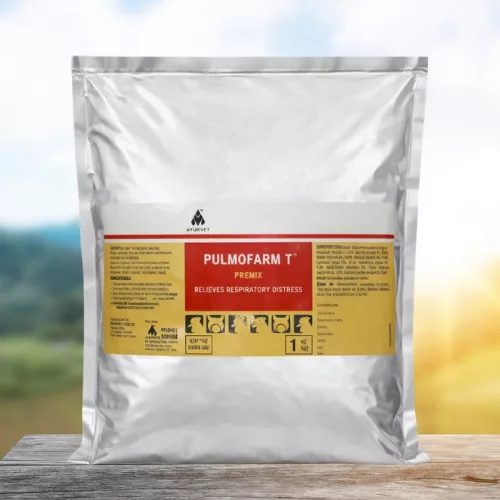
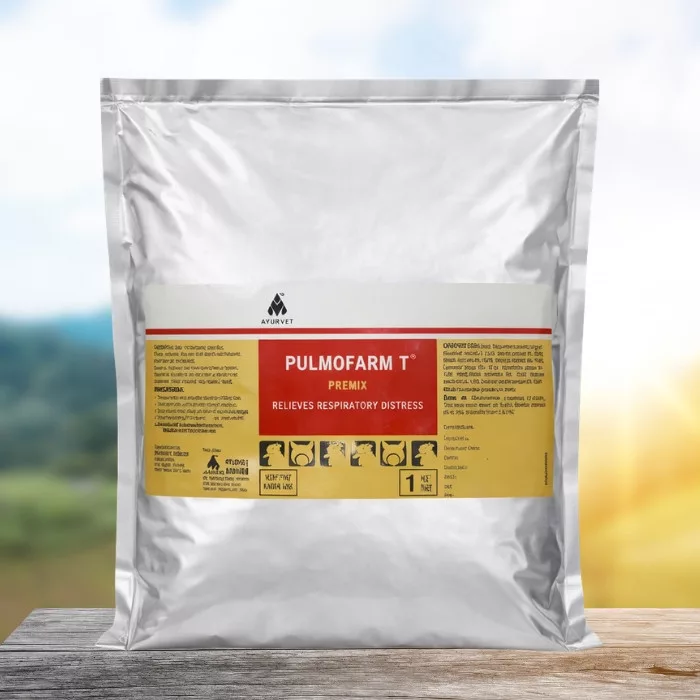
Pulmofarm T
Pulmofarm T is a natural formulation containing antibacterial herbs and essential oils with bronchodilatory, respiratory-enhancing, anti-asthmatic, anti-allergic, stress-relieving, respiratory-tonic, and analgesic properties. Its effective natural components soothe and restore respiratory function, inhibit the growth of bacteria colonizing the airways, and promote faster recovery from respiratory diseases.
INDICATIONS:
- Difficult breathing, asthma, and allergic symptoms.
- Prevention and supportive treatment of equine COPD/RAO and equine asthma.
- Soothing of irritated respiratory mucosa.
MODE OF ACTION:
- Strengthens cellular defense mechanisms against respiratory pathogens.
- Menthol, thymol, camphor, and eucalyptus oil provide antibacterial effects.
- Effectively loosens mucus adhered to the airways.
- Accelerates recovery, allowing animals to return more quickly to normal feeding and activity, thereby reducing production losses and minimizing downtime in horses.
 Spend at least 25,000 HUF and enjoy
 For our human health products, visit our