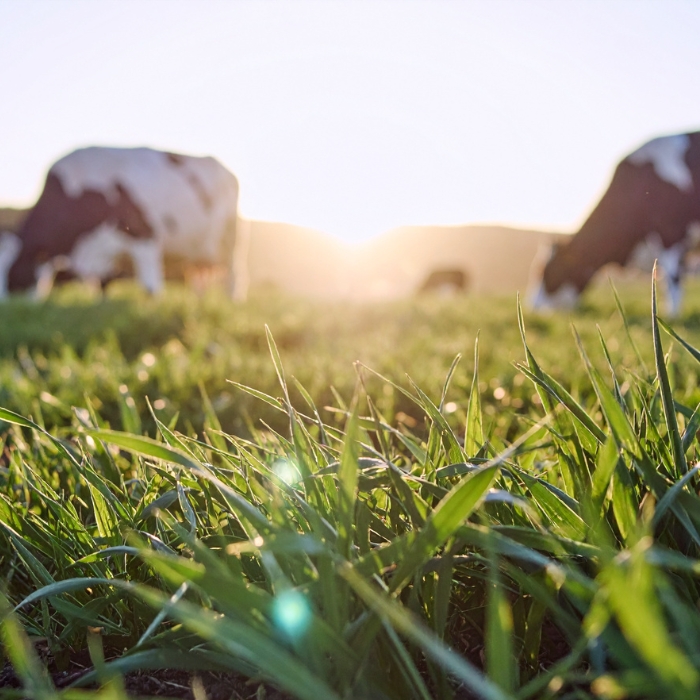
What is Heat Stress, and Why Are Dairy Cows So Sensitive to It?
High-producing dairy cows generate an extraordinary amount of body heat due to feed digestion and the metabolic processes involved in milk production. The animals' thermoneutral zone—the ambient temperature range where they do not need to expend extra energy to regulate body temperature—is surprisingly low: between 5 °C and 20 °C.
The severity of heat stress is not determined by temperature alone, but by the Temperature-Humidity Index (THI). In high humidity, mild to moderate heat stress can develop at ambient temperatures as low as 22–24 °C.
Symptoms of Heat Stress in Dairy Cows
- Increased respiration rate (panting, heavy breathing, wheezing).
- Reduced dry matter intake (DMI) and decreased rumination time.
- Reluctance to lie down (cows dissipate less heat while recumbent), leading to prolonged standing in barn alleys.
- Excessive salivation and increased water consumption.
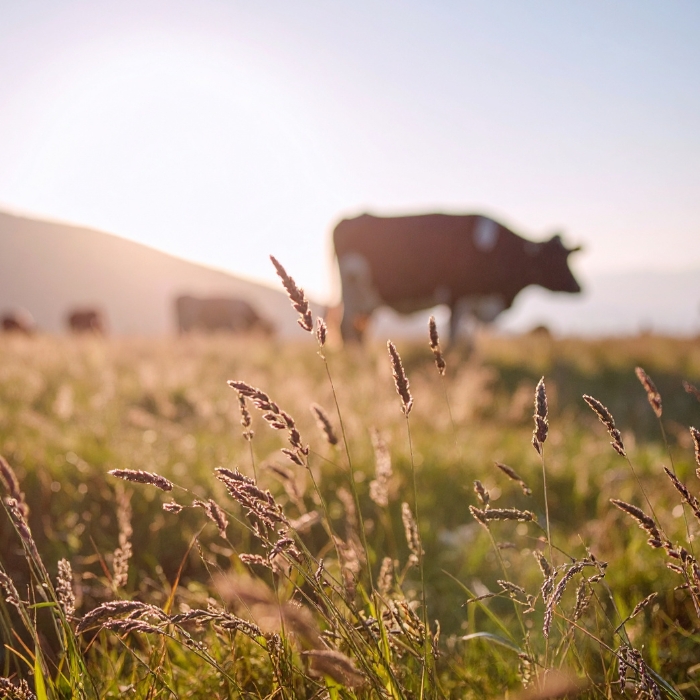
The heat production of high-producing dairy cows is extremely high due to feed digestion and the metabolic processes of milk production.
Collapsing Defences: How Heatwaves Weaken Cow Immunity
When a cow's core body temperature remains elevated over extended periods, the body enters emergency mode. This process attacks and compromises the immune system on multiple levels, opening the door to opportunistic pathogens.
1. Hormonal Shift and the Impact of Cortisol
Under heat stress, levels of stress hormones—particularly cortisol—surge. Persistently elevated cortisol levels exert a direct immunosuppressive effect: inhibiting white blood cell production, decreasing antibody synthesis, and suppressing the effective regulation of inflammatory responses.
2. Impairment of Neutrophil Granulocytes
Neutrophil granulocytes form the primary cellular defence line within the udder. These cells are responsible for engulfing (phagocytosis) and destroying bacteria that enter through the teat canal. During heat stress:
- Neutrophils exhibit reduced migratory capacity (struggling to reach the site of infection).
- Their phagocytic capacity declines.
- The "oxidative burst" (the chemical reaction used to destroy bacteria) is impaired.
Consequently, even a low-grade bacterial infection can escalate into clinical mastitis because the immune system fails to curb pathogen proliferation in time.
3. Leaky Gut Syndrome
One of the most dangerous physiological consequences of heat stress is altered systemic blood distribution. In an attempt to dissipate heat, the body redirects blood flow toward the periphery (the skin), reducing blood supply to the gastrointestinal tract.
Intestinal epithelial cells suffer from hypoxia and nutrient deprivation, causing the tight junctions between cells to loosen. This leads to leaky gut syndrome:
- Gram-negative bacterial toxins (lipopolysaccharides / LPS endotoxins) leak from the intestinal lumen into the bloodstream.
- Circulating endotoxins trigger a systemic inflammatory response.
- This systemic reaction consumes immense immune capacity, leaving udder tissues vulnerable and prone to localized inflammation.
4. Oxidative Stress
Heatwaves disrupt cellular metabolism, generating excessive amounts of free radicals. When the body's antioxidant reserves (e.g., Vitamin E, Selenium) are depleted, oxidative stress causes cellular damage to the udder's epithelial lining, making it easier for bacteria to adhere.
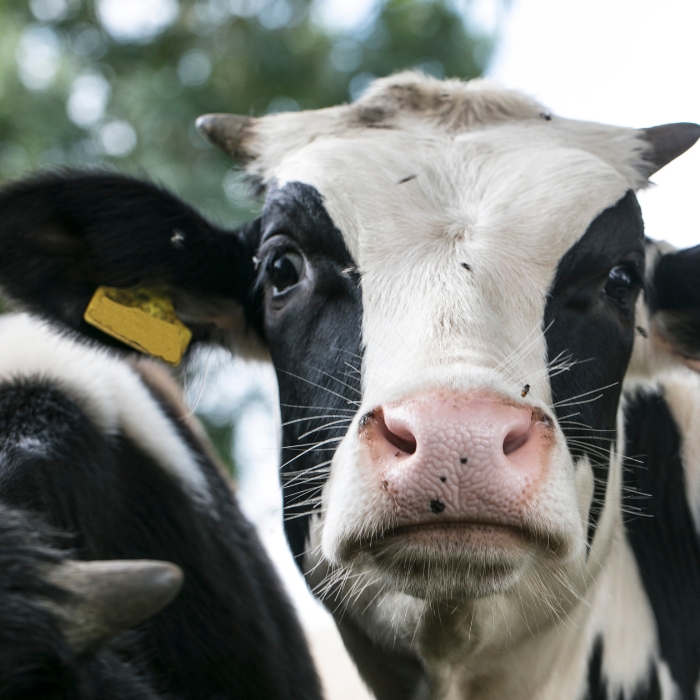
Heat stress attacks and weakens the immune system on multiple levels, opening the door for pathogens.
Why Do Mastitis Cases Spike During Summer Months?
Immune suppression alone would be enough to cause severe issues, but summer heatwaves simultaneously drive environmental infection pressure to peak levels.
1. Explosive Proliferation of Environmental Pathogens
Warmth and high humidity provide an ideal breeding ground for environmental mastitis pathogens.
- Gram-negative bacteria: Escherichia coli, Klebsiella species.
- Environmental streptococci: Streptococcus uberis.
These pathogens multiply rapidly in organic bedding, manure, and damp areas of free stalls. When a cow lies down on warm, bacteria-laden bedding, the teats come into direct contact with the infection source.
2. Relaxation of the Teat Sphincter
In hot weather, cows relax their overall muscle tone to decrease metabolic heat production. Following milking, the smooth muscle ring (sphincter) that seals the teat canal closes at a much slower rate. Because cows are fatigued by heat and often lie down immediately after exiting the parlour—rather than standing at the feed bunk—environmental bacteria gain unhindered entry through the open teat canal.
3. Flies as Pathogen Vectors: "Classic" Summer Mastitis
Summer mastitis transmitted specifically by biting and nuisance flies (such as Hydrotaea irritans) represents a distinct clinical category. Flies feed on teat lesions or teat orifice secretions, transmitting pathogens in the process.
This form primarily affects pregnant heifers and dry cows kept on pasture or in open corrals. It frequently results in the complete loss of the affected udder quarter, accompanied by foul-smelling, purulent secretions.

Mastitis cases typically surge during the summer months.
Environmental Mastitis vs. Classic Summer Mastitis
|
Feature
|
Environmental Summer Mastitis
|
Classic Summer Mastitis (Fly-Borne)
|
|
Target Population
|
Primarily lactating cows
|
Dry cows, pregnant heifers
|
|
Primary Pathogens
|
E. coli, Streptococcus uberis, Klebsiella species
|
Trueperella pyogenes, anaerobic bacteria
|
|
Main Trigger
|
Immunosuppression + warm, moist bedding
|
Mechanical vector activity of flies
|
|
Symptoms
|
Watery, flaky milk, udder swelling, fever
|
Severe purulence, foul-smelling discharge, tissue necrosis
|
|
Outcome
|
Potentially treatable with prompt intervention
|
Udder quarter is often permanently lost from production
|
Comprehensive On-Farm Mastitis Prevention Strategy
Combating summer mastitis cannot be limited to administering antibiotics to sick cows. During widespread outbreaks, prevention must be multifaceted and systematic.
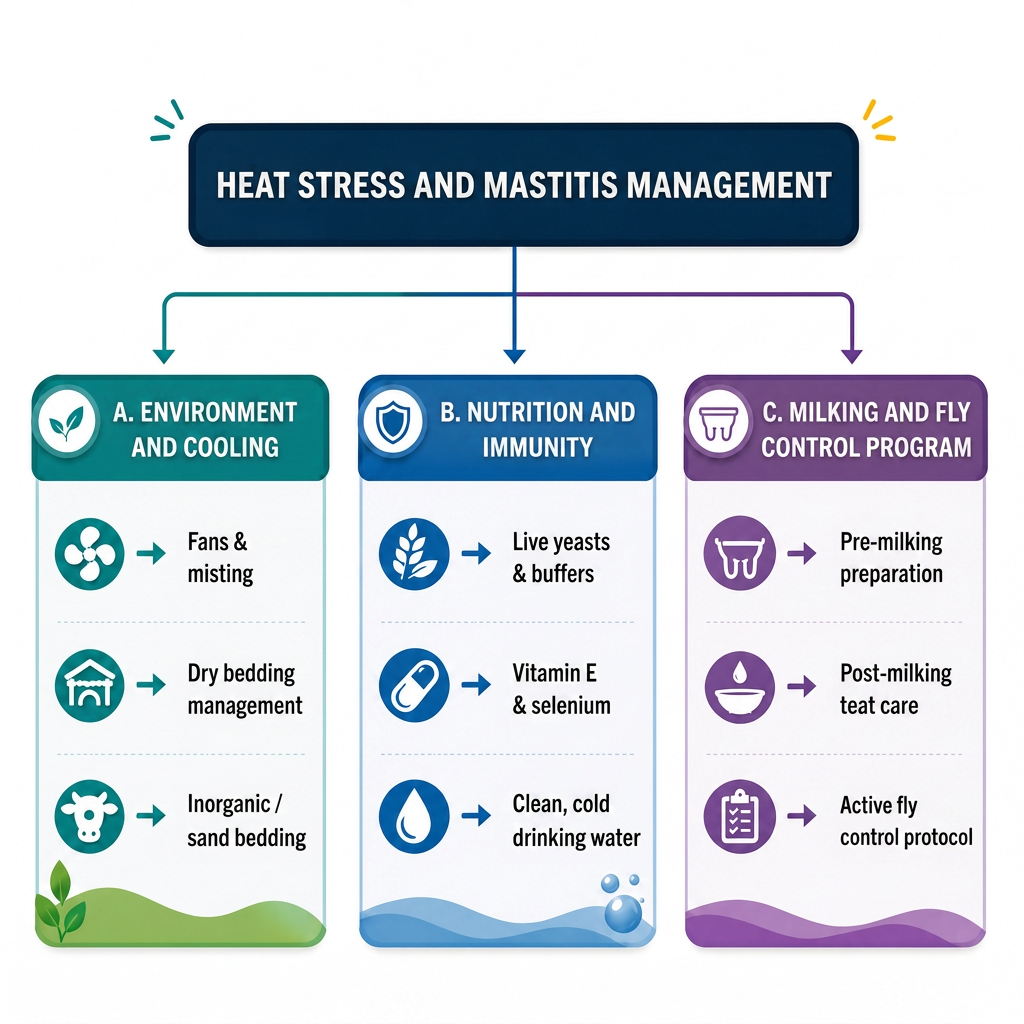
1. Operating Active Cooling Systems
The most critical step is mitigating heat stress itself. Keeping core body temperatures within a normal range prevents the collapse of immune function.
- Fans and Soakers/Misters: Maintain adequate airspeed (1.5–2 m/s) over free stalls and holding lanes.
- Holding Area Cooling: The pre-milking holding area is the hottest location on the farm. Effective cooling here drastically reduces cow stress levels prior to milking.
2. Bedding and Housing Hygiene
- Frequent Bedding Replacement: Replace bedding more frequently during summer to keep stall surfaces dry.
- Inorganic Bedding: Where feasible, sand bedding offers major advantages in summer because it does not supply organic nutrients for bacterial growth.
- Hydrated Lime: Treating the rear third of stall beds with lime increases pH levels, neutralizing pathogens.
3. Nutritional and Water Management
- Fresh, Cold Water: A lactating cow can drink up to 150–180 litres of water daily in summer. Ensure abundant, clean, and easily accessible watering sites.
- Antioxidant Supplementation: Increase Vitamin E and Selenium levels in feed to combat oxidative stress and safeguard neutrophil viability.
- Rumen Buffers and Live Yeasts: Incorporate dietary buffers to reduce the risk of subacute ruminal acidosis and leaky gut syndrome.
4. Milking Hygiene and Fly Control
- Effective Teat Dipping: High-quality post-dips with film-forming (barrier) properties and strong disinfectant capacity are essential in summer to form a physical shield over the teat canal orifice.
- Keep Cows Standing Post-Milking: Ensure fresh feed is available at the feed bunk as cows leave the parlour so they remain standing for at least 30–45 minutes while the teat sphincter closes.
- Integrated Fly Control Program: Eliminate fly breeding sites through active manure management, use larvicides in bedding, and apply adulticides, fly tags, or pour-on treatments for heifers and dry cows.
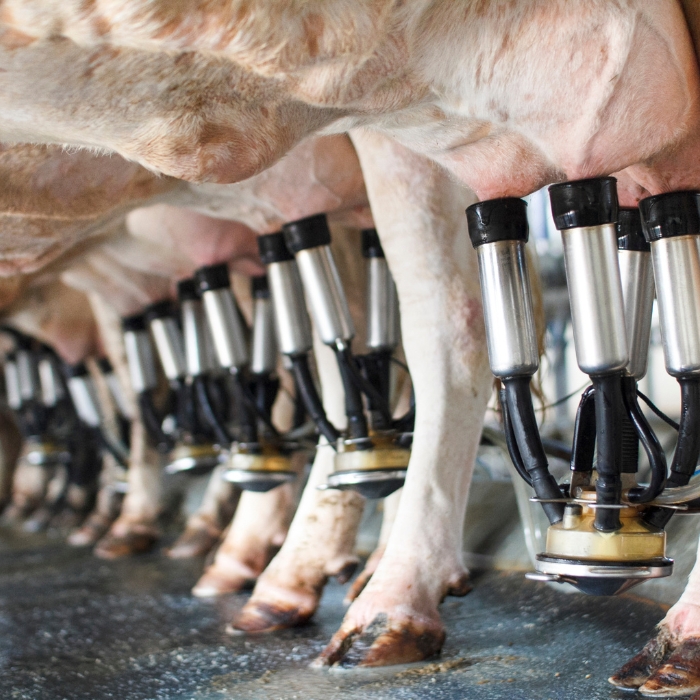
The prevention of summer mastitis must be comprehensive and systematic.
Targeted Udder Care Support
Alongside environmental management, cooling, and nutritional adjustments, targeted topical products provide valuable support in daily udder health maintenance. MASTILEP gel is a specialized herbal formulation designed for topical udder application, serving as a practical complement to summer mastitis control protocols.
Owing to its botanical ingredients, it offers anti-inflammatory, analgesic, and anti-oedematous properties. Rubbed onto heat-stressed, warm, or mildly oedematous udder tissue, it cools and calms the area while supporting natural tissue regeneration and local defence mechanisms.
A key practical benefit is that its application carries zero milk withdrawal period (eliminating drug residue risks). It can be safely and immediately deployed in the milking parlour as a supportive therapy for subclinical symptoms, swelling, or clinical mastitis during periods of severe heat stress.
Summer mastitis is the result of a complex immunological and environmental chain reaction triggered by heat stress. High temperatures break down the cow's internal defences at the exact moment environmental pathogen pressure spikes.
Successful management relies on an integrated preventive approach: combining active cooling, rigorous housing and milking hygiene, targeted nutritional support, and strict fly control. The capital invested in cooling and preventive measures remains minor compared to the financial damage caused by lost milk production, animal culling, and treatment costs during summer heatwaves.
 Spend at least 25,000 HUF and enjoy
 For our human health products, visit our