What Is a Food Allergy?
A food allergy is an immune system–mediated hypersensitivity reaction in which the body mistakenly identifies a specific food ingredient as harmful. In most cases, the trigger is a protein, although carbohydrates and food additives can also cause allergic reactions in dogs, albeit less frequently.
When a dog has a food allergy, its immune system:
- Triggers defensive responses and begins producing antibodies against the allergenic food ingredient.
- Initiates inflammatory processes throughout the body.
- Causes a range of symptoms affecting different parts of the body, including itching, diarrhea, and skin rashes.

A common sign of food allergies is persistent itching, often accompanied by secondary scratching, licking, or chewing of the affected areas.
How Do Food Allergies Develop in Dogs?
It is important to understand that food allergies do not develop the first time a dog is exposed to a particular food. In many cases, a dog may tolerate a specific ingredient for months or even years before a hypersensitivity reaction eventually develops.
The underlying cause is a gradual process known as sensitization, during which the immune system becomes increasingly reactive to a particular food component. With repeated exposure to the same ingredient, the body may begin mounting a stronger and stronger immune response. Because this process often occurs slowly and without obvious signs, it can be difficult to identify the exact trigger once symptoms appear.
A contributing factor may be a highly repetitive diet. When a dog consumes the same protein sources over an extended period, the immune system is continually exposed to those proteins, potentially increasing the likelihood of developing a sensitivity. In addition, the health of the digestive tract, the balance of the gut microbiome, and environmental stressors can all influence when and why this hypersensitivity reaction develops.
It is also common for symptoms to appear seemingly out of nowhere, even though a long, silent sensitization process has been taking place in the background. As a result, a dog may consume a particular protein source without issue for years and then suddenly begin showing signs of a food allergy.
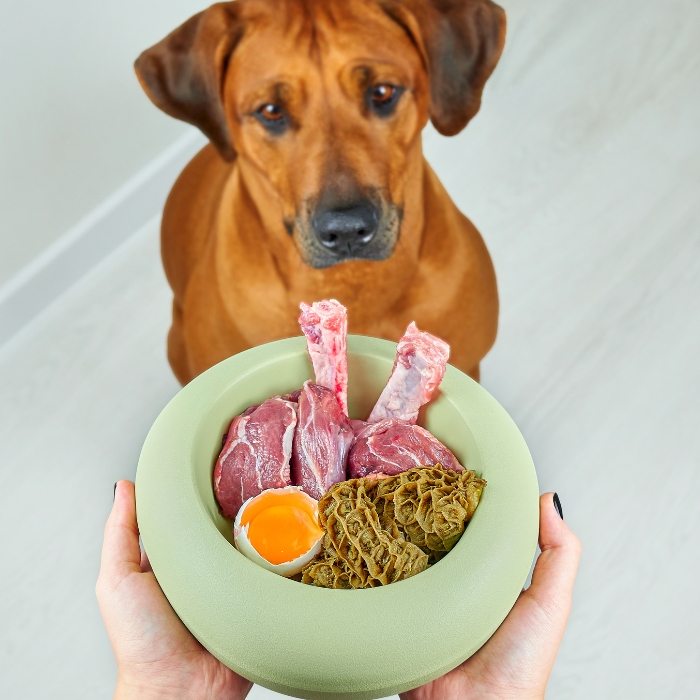
A significant contributing factor in the development of food allergies is feeding a dog the same types of food over an extended period of time.
What Are the Most Common Symptoms of Food Allergies in Dogs?
One of the biggest challenges in identifying food allergies in dogs is that the symptoms can be highly varied and often resemble those of other medical conditions or allergies. If your dog displays any of the following signs, a food allergy may be a possible cause.
1. Skin Symptoms
The most common skin-related manifestations of food allergies in dogs include:
- Intense itching and persistent scratching
- Redness of the skin
- Skin rashes
- Inflamed, sensitive skin
- Hair loss
Areas most commonly affected:
- Paws
- Ears
- Abdomen
- Muzzle and face
Dogs will often chew, lick, or scratch these areas excessively, which can further aggravate inflammation and skin irritation.
2. Digestive Symptoms
Food allergies can affect not only the skin but also the digestive system, making it important to monitor changes in stool quality and overall digestive health. Common gastrointestinal symptoms include:
- Diarrhea
- Vomiting
- Bloating and excessive gas
- Irregular bowel movements
In some cases, digestive issues may be the only indication of a food allergy, making diagnosis more challenging because many other conditions can produce similar symptoms.
These digestive signs are often chronic or recurrent and may be linked to the dog's diet, particularly the long-term consumption of a specific protein source. For this reason, careful observation and identifying potential dietary patterns are essential when evaluating ongoing digestive problems.
3. Other Symptoms
Food allergies may also present through less obvious signs that are not immediately associated with diet. These symptoms often appear as recurring, stubborn issues that may actually be linked to an underlying allergic response. Common examples include:
- Recurrent ear infections
- Unpleasant skin odor
- Excessive tearing or watery eyes
- Irritation around the anal area
These signs can be particularly misleading because they often appear to be localized problems, such as ear inflammation or skin irritation, when in fact they may be manifestations of a systemic immune response.
The recurring nature of these issues is an important warning sign. If a condition improves with treatment but repeatedly returns within a short period, food allergies should be considered as a potential underlying cause.
These "secondary" symptoms can often help connect seemingly unrelated health problems to a single root cause, making them especially valuable during the diagnostic process.
4. Severe Reactions
Although uncommon, food allergies can sometimes trigger sudden and severe reactions affecting the entire body. These symptoms indicate a serious acute allergic response that requires immediate medical attention.
Signs of a severe allergic reaction may include:
- Facial swelling
- Difficulty breathing
- Collapse
These symptoms are particularly dangerous because they may signal a rapidly worsening condition. Facial swelling can result from allergic edema and may even affect the airways. Difficulty breathing may indicate airway constriction or a severe allergic response, while collapse can be a sign of circulatory failure or shock.
Immediate veterinary care is essential in these situations, as prompt treatment can be life-saving.
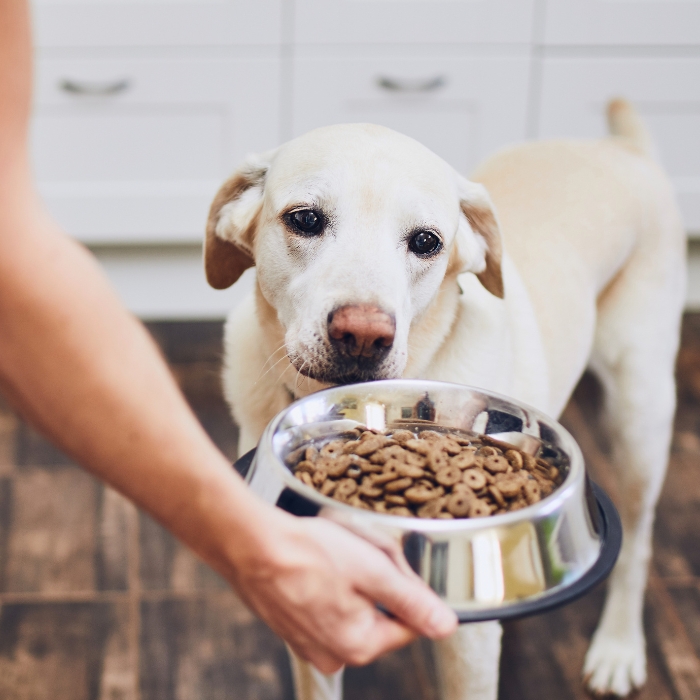
It is important to understand the difference between a food allergy and a food intolerance.
What Is the Difference Between a Food Allergy and a Food Intolerance?
Food allergies and food intolerances are two distinct conditions. While their names and symptoms may appear similar, they are caused by fundamentally different processes within the body. Understanding the difference is essential for establishing the most appropriate treatment plan and dietary strategy.
1. Food Allergy
A food allergy occurs when a dog's immune system mistakenly identifies a particular ingredient—most commonly a protein—as a threat and launches a defensive response against it. As a result, even a very small amount of the offending food can trigger symptoms.
Symptoms do not always appear immediately and may develop hours or even days after exposure. In many cases, the signs are chronic and recurrent.
Key characteristics of food allergies:
- Immune system–mediated condition
- Even small amounts of the allergen can trigger a reaction
- Frequently manifests as skin-related problems
- Symptoms are often chronic and recurring
2. Food Intolerance
Food intolerance, on the other hand, is not caused by the immune system but by difficulties in digestion. In these cases, the dog's body is unable to properly process a particular food component—often due to an enzyme deficiency or another digestive limitation—leading to gastrointestinal discomfort.
Food intolerance is typically dose-dependent, meaning that small quantities may not cause any symptoms, while larger amounts can trigger noticeable digestive issues.
Although food intolerance is generally less severe than a food allergy, it can still cause significant discomfort, including diarrhea, bloating, and other digestive disturbances. Food allergies, by contrast, may develop into more complex, systemic conditions that affect the entire body over time.
Key characteristics of food intolerance:
- Does not involve an immune response
- Symptoms are primarily gastrointestinal
- Usually depends on the amount consumed
- Common signs include diarrhea, bloating, and digestive upset
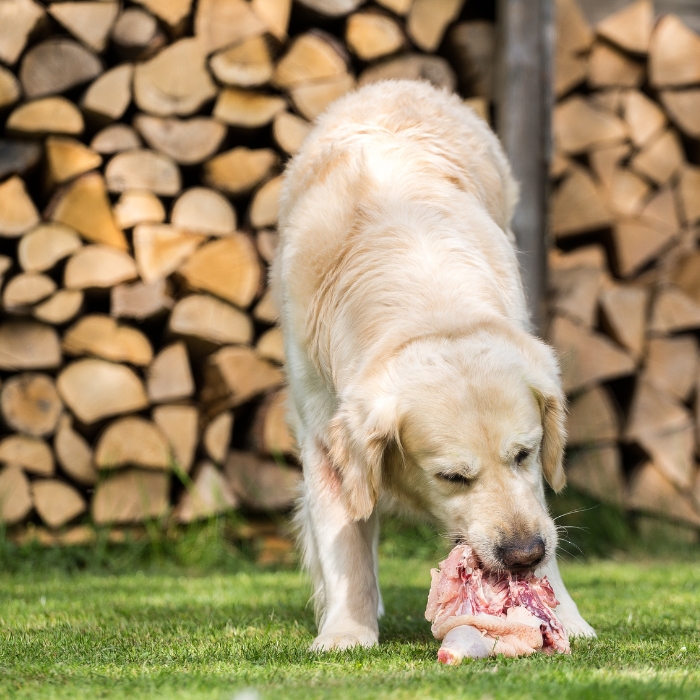
Chicken is one of the most common food allergens in dogs.
What Foods Can Trigger Allergies?
In dogs, food allergies are most often caused by ingredients that have been part of their diet for a long time.
Most common food allergens in dogs:
- Beef
- Chicken
- Dairy products
- Eggs
- Wheat and other grains
- Soy
Less common food allergens in dogs:
It is important to understand that allergies do not depend on the “quality” of an ingredient. Instead, they are caused by an individual immune response. In other words, a food is not inherently “bad,” but a dog’s immune system may mistakenly react to it with an excessive immune response.
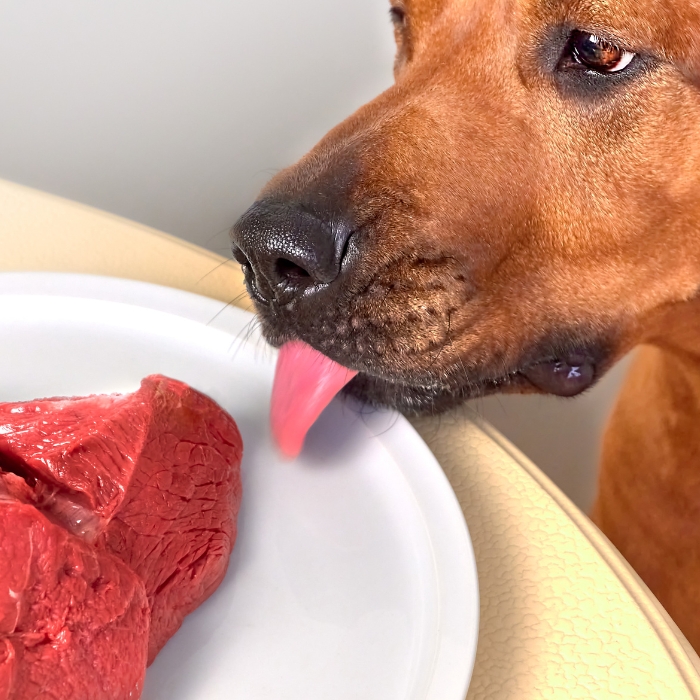
In some dogs, beef can also trigger an allergic reaction.
What Factors Can Contribute to the Development of Food Allergies?
The development of food allergies is typically the result of several interacting factors.
Possible contributing causes:
- Genetic predisposition
- Long-term feeding of the same diet, containing the same 2–3 main ingredients
- Persistent imbalance of the gut microbiome
- Environmental stress
- Overload or dysregulation of the immune system
In recent years, increasing attention has been given to the role of the gut in the development of allergies. A dog’s gastrointestinal tract contains billions of microorganisms that together form the gut microbiome. This system plays a key role in:
- Regulating immune responses
- Supporting nutrient absorption
- Controlling inflammatory processes
When this balance is disrupted, the risk of developing allergic reactions may increase.

Diagnosing food allergies is often not straightforward, as their symptoms can be identical to those of other allergies or medical conditions.
How Is a Food Allergy Diagnosed?
Establishing a diagnosis is often a time-consuming process. Several methods can be used to confirm the presence of a food allergy. Let’s look at the available approaches.
1. Elimination Diet
An elimination (or exclusion) diet is considered the most reliable method, although it is quite time-intensive.
Steps include:
- Selecting a novel protein source that the dog has not consumed before, and feeding it while eliminating all previous protein sources from the diet.
- Excluding all other foods from the dog’s diet during the trial period. The dog must not receive treats, table scraps, or even small bites of other foods during this time.
- Following a strict 6–8 week diet consisting only of the new protein source and a new carbohydrate source, or a special hydrolyzed protein-based diet.
- Monitoring and recording symptoms throughout the process.
- After the elimination phase, previously fed ingredients are gradually reintroduced one by one into the diet.
- If symptoms return after reintroducing a specific ingredient, that ingredient is likely an allergen and should be avoided in the future.
2. Other Diagnostic Methods
- Blood tests
- Skin tests
- Microbiome analysis
These methods are mainly considered complementary.
Blood tests typically examine the immune response to allergens, such as the presence of specific antibodies. While they may help identify certain sensitivities, their reliability for diagnosing food allergies is limited, as not all immune reactions are detectable through blood samples.
Skin tests (such as intradermal testing) are primarily used to identify environmental allergies and are less accurate for food allergies. Although they may provide some useful information, they are rarely sufficient on their own for a definitive diagnosis.
Microbiome analysis examines the composition of gut bacteria—i.e., which microorganisms live in the dog’s digestive system. It can help identify imbalances (dysbiosis) that may contribute to digestive issues and immune hypersensitivity. However, this method does not directly identify specific allergens; instead, it provides insight into underlying processes.
Overall, these tests can offer valuable supplementary information, but they do not replace the elimination diet, which remains the most reliable method for accurately identifying food allergies.
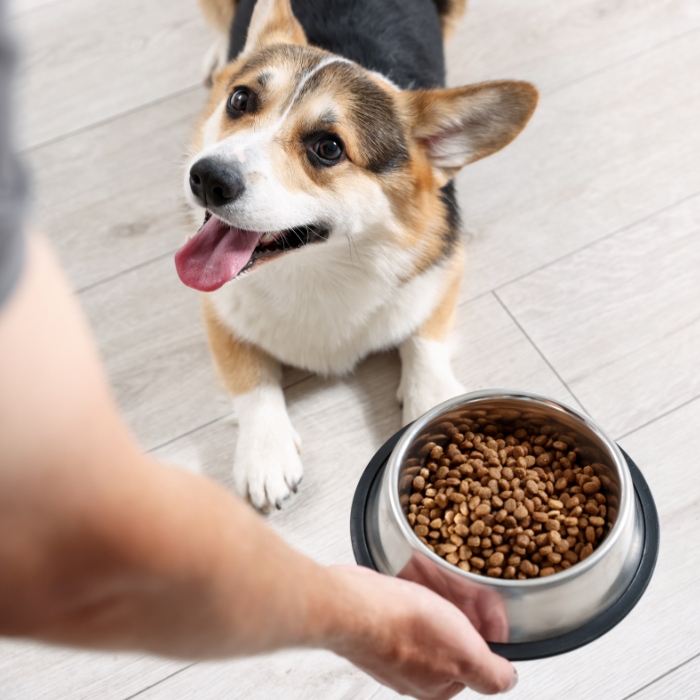
If your dog has a food allergy, a hypoallergenic diet may provide a solution.
Can Food Allergies Be Cured?
Food allergies cannot be permanently cured, but they can be effectively managed. If a food allergy is confirmed or strongly suspected in your dog, the following key steps are recommended:
1. Complete elimination of the allergen
The problematic ingredient must be fully removed from the dog’s diet.
2. Introduction of a new diet
- Introduce a new protein and/or carbohydrate source
- Feed a simple, highly digestible diet or a hypoallergenic food
3. Supporting gut health
- Course-based use of probiotics and prebiotics
- Maintaining a balanced diet
4. Medical treatment
In more severe cases, temporary use of antihistamines or anti-inflammatory medications may be necessary.
5. Natural support
Which Dog Breeds Are Most Affected?
Although any dog can develop a food allergy, some breeds appear to be more commonly affected, likely due to genetic predisposition and a more sensitive immune system.
Breeds more prone to food allergies include:
- Labrador Retriever
- Golden Retriever
- French Bulldog
- English Bulldog
- German Shepherd
- West Highland White Terrier
- Yorkshire Terrier
- Boxer
- Cocker Spaniel
- Dalmatian
However, it is important to emphasize that breed alone is not a determining factor. Mixed-breed dogs can also be affected. Individual sensitivity, immune system health, and environmental and dietary factors play a much more significant role.

Dogs with food allergies can still live full, healthy lives with appropriate dietary restrictions.
What Can You Do as an Owner if Your Dog Has a Food Allergy?
- Monitor symptoms carefully
- Keep a food diary
- Avoid treats during the elimination diet
- Consult a veterinarian if necessary
Food allergies in dogs are a complex but manageable condition. Recognizing the symptoms, making an accurate diagnosis, and providing an appropriate diet are key to success. If you act early and consistently follow the recommendations, you can significantly improve your dog’s quality of life. Most dogs can live a full, happy life once the allergen is successfully removed from their diet.
If you’re curious about what else dogs can be allergic to, read our related blog article!
This article is for informational purposes only and does not replace veterinary examination or treatment. For an accurate diagnosis and appropriate therapy, please consult your veterinarian.
 Spend at least 25,000 HUF and enjoy
 For our human health products, visit our
