Why Are Dogs Prone to Ear Infections?
A dog's ear canal is anatomically different from a human's. While the human ear canal is relatively straight, a dog's is L-shaped. This shape favors the accumulation of moisture, earwax, and debris, creating an ideal environment for bacteria and yeast to multiply.
Certain breeds are particularly vulnerable. Dogs with long, floppy ears—such as Cocker Spaniels, Basset Hounds, or Labrador Retrievers—have poorly ventilated ear canals. Breeds with dense hair inside or around the ears also experience ear issues more frequently, as thick fur can obstruct airflow.
Allergies: The Most Common Trigger of Ear Infections
Allergies are one of the primary causes of recurring ear infections. Veterinary experience shows that a significant portion of dogs suffering from chronic ear issues have an underlying allergy.
Allergies can be environmental, such as sensitivities to pollen, dust mites, or mold. Additionally, some dogs exhibit an exaggerated immune response to certain food ingredients, such as chicken, beef, or grains, which can manifest as inflammatory skin conditions or ear infections.
The allergic reaction induces inflammation in the skin lining the ear canal. Consequently, wax production increases, the ear canal swells, and pathogens proliferate more easily. In these cases, the ear infection is often just a symptom, while the underlying cause is the allergy itself.
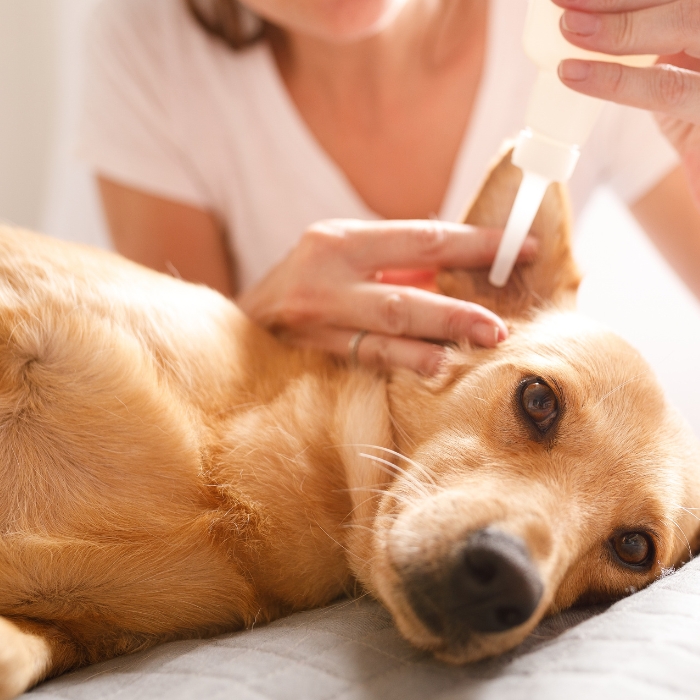
A significant portion of dogs struggling with chronic ear problems have an underlying allergy.
Bacterial Infections in the Ear
Bacteria can naturally exist on a dog's skin and within the ear canal. Under normal conditions, they cause no issues; however, if the equilibrium of the ear's microflora is disrupted, bacteria can multiply rapidly.
Several factors can encourage a bacterial ear infection:
- Increased moisture in the ear canal
- Inflammation caused by allergies
- Injuries or irritation
- Presence of a foreign object in the ear
Bacterial ear infections often produce a yellowish or greenish discharge accompanied by a foul odor. The dog usually experiences significant pain during this time and may react defensively to having its ears touched.
Yeast Overgrowth in the Ear Canal
Fungal ear infections in dogs are also common, most frequently caused by an overgrowth of Malassezia yeast.
This microorganism is normally present on the skin of dogs, but under certain conditions, it can rapidly overproliferate. Allergies, a moist environment, or an imbalance in the immune system favor yeast growth.
Characteristic symptoms of a yeast induced ear infection include:
- Brownish or dark ear discharge
- Intense itching
- A distinct, sweetish or musty odor
- Red, irritated ear canal
In many instances, bacteria and yeast are present simultaneously in the dog's ear canal, making an accurate diagnosis essential prior to treatment.
Ear Mites and Other Parasites
Ear mite infestations are particularly common in puppies. These tiny parasites live inside the ear canal, causing irritation and inflammation.
An ear mite infection leads to severe itching, causing the dog to scratch intensely and shake its head frequently. A telltale sign of ear mites is a dark brown, crumbly discharge that resembles coffee grounds.
Ear mites spread very easily from one animal to another, making early treatment and prevention especially vital in multi-pet households.
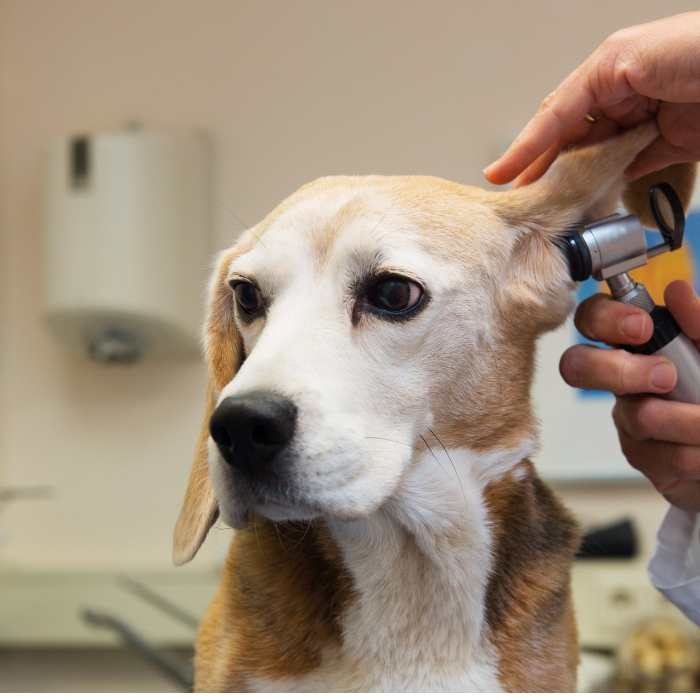
Parasites, such as ear mites, can also cause ear infections.
Moisture in the Ear and Frequent Bathing
Moisture is one of the most critical risk factors in the development of ear infections. Dogs that love swimming or are bathed frequently face an increased risk.
When water enters the ear canal, the resulting humid, damp environment can encourage bacteria or yeast to multiply, especially in warm, muggy weather.
Therefore, it is advisable to carefully dry the outer ear after swimming or bathing and, if necessary, use a recommended ear cleaner.
Foreign Bodies in the Ear Canal
Dogs that spend a lot of time outdoors or hiking can get foreign objects lodged in their ears. Common culprits include foxtails (grass awns), other grass seeds, or small plant debris.
A foreign body irritates the ear canal, leading to inflammation. The onset is usually sudden—the dog immediately starts violently shaking its head and scratching the affected ear, with symptoms typically appearing on only one side.
Foxtails are especially dangerous because their sharp tips and barbed structure allow them to migrate deeper into the ear canal, requiring prompt veterinary evaluation and intervention if suspected.
Ear infections are often caused by a foreign body entering the ear, such as a foxtail.
Hormonal and Other Underlying Conditions
Certain systemic health issues can also indirectly increase the risk of ear infections. These include:
- Hypothyroidism
- Cushing's disease
- Immune system disorders
- Certain metabolic diseases
These conditions can compromise the health of the skin and ear canal, creating favorable conditions for infections to develop. If a dog experiences recurrent ear infections, veterinarians often recommend further diagnostic workups to identify potential underlying causes.
The Role of Improper Ear Cleaning
Many people assume that frequent ear cleaning is always beneficial for dogs, but this is not necessarily true. Over-cleaning can irritate the ear canal, damage its natural protective barrier, and increase the likelihood of inflammation.
Conversely, completely neglected ears allow wax and debris to build up easily. Finding the right balance is essential: ear cleaning should always be tailored to the individual dog's needs and veterinarian recommendations.
Generally speaking, weekly inspections are more important than routine cleaning for dogs with healthy ears. If the ear canal is clean, free of unpleasant odors, and shows no excessive wax build-up, routine cleaning is unnecessary. Gentle cleaning every 2–4 weeks is sufficient for most dogs, though more prone individuals may require more frequent care.
Floppy-eared breeds—such as Cocker Spaniels, Basset Hounds, or Labrador Retrievers—require extra attention. Because their ear canals receive less ventilation, moisture and wax build up more readily. Weekly checks and cleaning as needed are often recommended for these breeds, especially if they have a history of ear infections.
Seasons can also influence ear care needs. In spring and summer, pollen, warmer weather, and increased outdoor activity raise the risk of irritation and allergic reactions. Swimming and frequent summer bathing can leave moisture trapped in the ear canal, warranting closer monitoring. In autumn, plant debris or dirt can easily enter the ears during walks, while indoor heating during winter may cause skin irritation in certain dogs.
It is crucial to note that only ear cleaning solutions formulated specifically for dogs should be used. Reaching deep into the ear canal or using cotton swabs (Q-tips) can cause injury or push debris further inside. If the ear is red, painful, discharging, or foul-smelling, skip cleaning and seek immediate veterinary evaluation. A problem caught early is significantly easier to treat than a neglected, chronic ear infection.
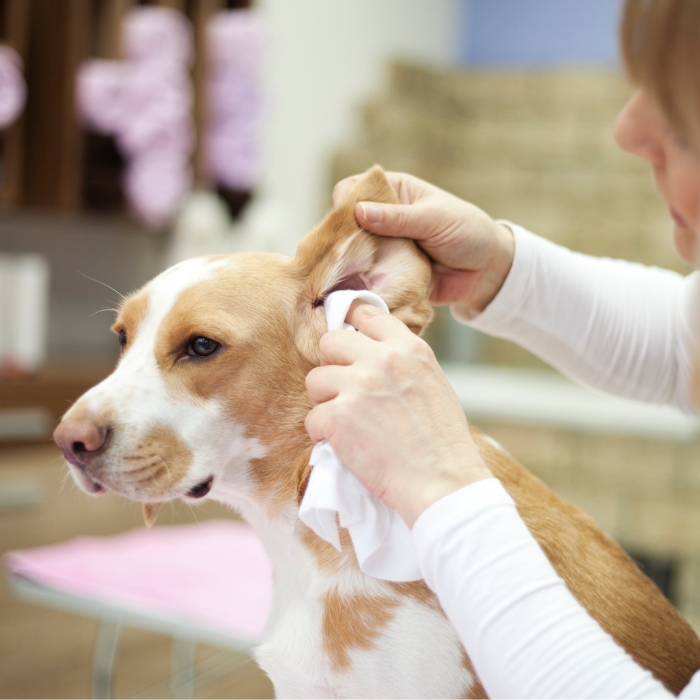
It's a good idea to check your dog's ears weekly and clean them every 2–3 weeks.
What Symptoms Should You Watch For?
Symptoms of an ear infection can vary, but several signs are particularly common:
- Frequent head shaking
- Intense, frequent ear scratching
- Red or swollen ear canal
- Foul odor coming from the ear
- Ear discharge
- Pain when the ear is touched, or avoiding touch
- Loss of balance or a head tilt in severe cases
If the inflammation extends beyond the outer ear canal into the middle or inner ear, additional symptoms may appear. These include an unsteady gait, loss of coordination, walking in circles, or difficulty maintaining balance. This occurs because the inner ear plays a critical role in sensing posture and movement, so inflammation here can impact neurological function. In some cases, hearing loss, abnormal eye movements, or general malaise can also develop.
The severity of symptoms largely depends on the underlying cause and progression of the infection. Therefore, even at the earliest signs—such as mild head shaking or increased scratching—it is advisable to consult a veterinarian, as early detection leads to faster recovery with fewer complications.
How Can Ear Infections Be Prevented?
Regular inspection is key to prevention. It is best to check your dog's ears weekly, looking for redness, discharge, or unpleasant odors.
For dogs with allergies, managing the underlying condition is crucial. Gently drying the ears after swimming or bathing is recommended, while dogs with hairy ear canals may require regular grooming.
Promptly consulting a veterinarian at the first sign of suspicious symptoms is also an essential part of prevention, as early treatment stops chronic issues from developing.
 Spend at least 25,000 HUF and enjoy
 For our human health products, visit our
