In this article, you will learn about:
- The most common causes and types of skin injuries.
- Typical wound healing timelines.
- Signs of wound infection.
- Hidden dangers that deserve special attention.
What Causes Skin Injuries in Dogs Most Often?
Skin is a dog's primary line of defense, exposed to constant external and internal stresses during daily activity. The most common causes of skin injuries include:
- Environmental mechanical injuries: Thorny plants (bramble vines, thorns), wire fences, or sharp stones can easily scratch a dog's skin during walks. Foxtails (grass awns) pose one of the greatest dangers: their sharp, barbed seeds stick to fur, burrow through the skin, and migrate underneath, causing severe inflammation.
- Paw injuries: Paw pads face extreme wear and tear. Hot asphalt causes summer burns and blisters, while road salt and icy surfaces in winter cause chemical burns and cracked skin. Discarded broken glass and sharp metal debris can inflict deep cuts on paws.
- Conflict with other animals: Scuffles or rough play with other dogs can cause scratches, tears, and bite wounds.
- Self-trauma and allergic reactions: Flea allergies, food intolerances, or ear infections cause intense scratching and chewing. This can lead to hot spots (acute moist dermatitis), characterized by hair loss and severe secondary infection of the skin surface.
Skin injuries and wounds in dogs can stem from a variety of causes.
Average Wound Healing Times –
How Long Does Each Wound Take to Heal?
Wound healing duration depends heavily on the injury's depth, type, location, and the dog's overall health.
|
Wound Type
|
Average Healing Time
|
Key Characteristics
|
|
Superficial abrasion, scratch
|
3 – 7 days
|
Scabs over quickly; scab drops off naturally as new skin forms underneath.
|
|
Incised or sharp cut wound
|
10 – 14 days
|
Straight-edged wounds that may require sutures. Sutures or staples are usually removed on day 10–14.
|
|
Surgical wounds
|
10 – 14 days
|
Created under sterile conditions; heal quickly in uncomplicated cases.
|
|
Bite and crushed wounds
|
2 – 4 weeks (or more)
|
Slow healing due to tissue damage and high infection risk.
|
|
Hot spots and infected skin
|
1 – 3 weeks
|
Requires targeted clipping, localized, and sometimes systemic treatment.
|
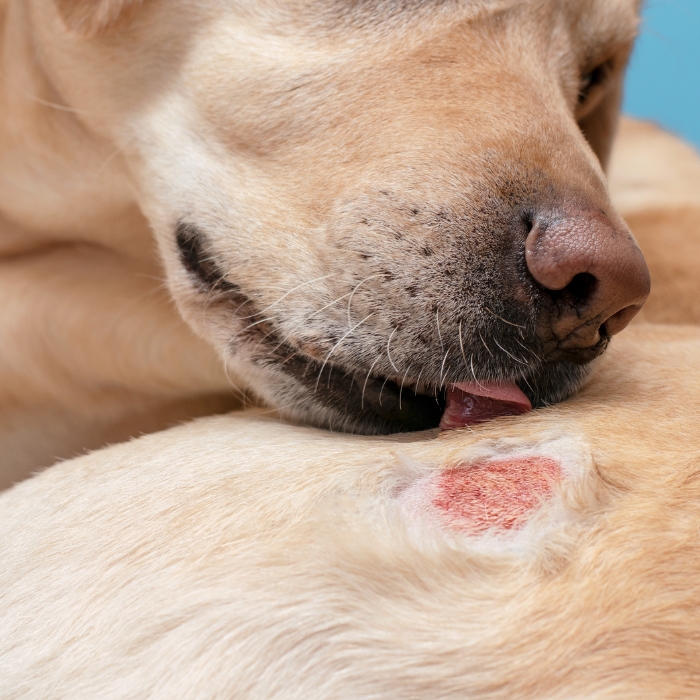
Hot spots caused by allergies can easily develop secondary infections.
Phases of Wound Healing: What Happens in the Skin?
Wound healing is a complex biological process divided into three main phases:
- Inflammatory Phase (Days 1–3): The body stops bleeding, and immune cells migrate to the site to eliminate pathogens. Mild redness, swelling, and a small amount of clear, serous discharge around the wound are completely normal during this stage.
- Proliferative / Reconstruction Phase (Days 3–10): New connective tissue and capillaries form, the wound gradually contracts, and a scab forms on top.
- Maturation / Scarring Phase (Week 2 to several months): The scab falls off, and the resulting scar tissue remodels, fades, and the skin layer gradually strengthens.
There are three main stages of wound healing.
Warning Signs: Symptoms of Improper Wound Healing and Secondary Infection
Your primary task as an owner is to inspect the wound daily. If you notice any of the following warning signs, the wound is likely infected or healing has stalled:
- Increasing redness and warm skin: Mild initial redness should decrease after day 3. If redness expands and the area feels hot to the touch, it indicates active inflammation.
- Increasing swelling and wound hardening: Tense, hardening swelling under or around the wound can signal abscess formation (pus accumulation).
- Foul-smelling, purulent discharge: Clear or slightly blood-tinged serous fluid is acceptable in the first few days. However, yellowish, greenish, cloudy, or foul-smelling discharge clearly indicates a bacterial infection.
- Wound dehiscence (separation): If sutures are under tension or the dog licks/chews the injury, the wound edges can pull apart, exposing deeper tissues.
- Fever and systemic symptoms: If the dog is lethargic, loses its appetite, hides, or has a rectal temperature exceeding 39.2 °C (102.5 °F), the infection may have gone systemic.
- Obsessive licking or chewing: Intense itching or pain causes the dog to constantly clean the area, which actually causes further tissue damage.
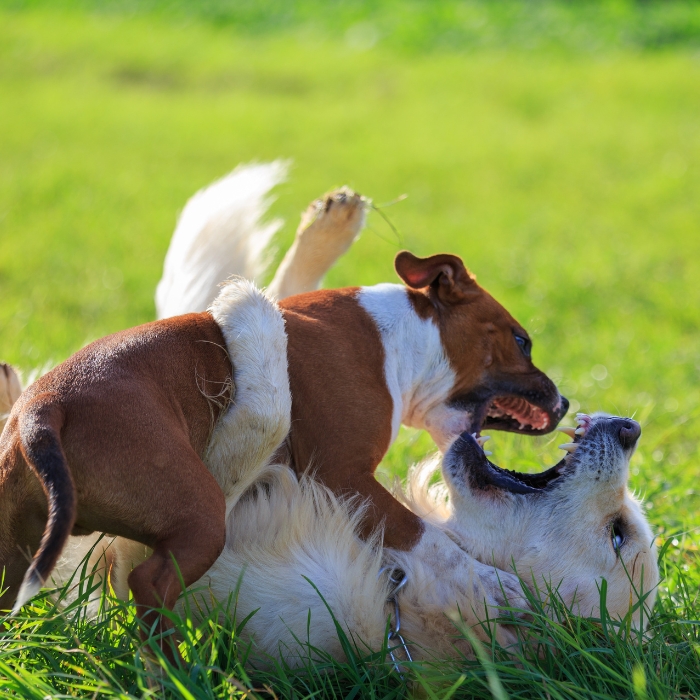
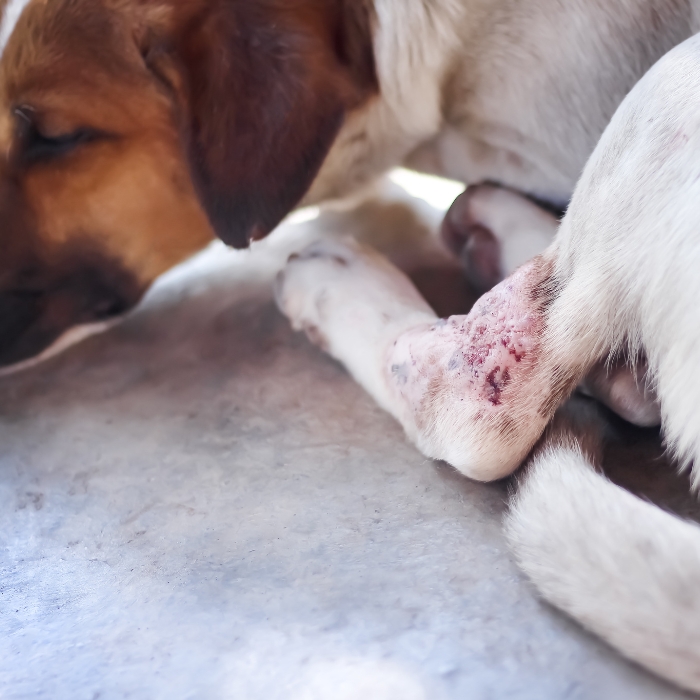
Dogs can also sustain injuries during fights or rough play.
What Most Dog Owners Don't Think About:
Hidden Dangers and Myths
Several common myths surround canine wound healing, which can unintentionally cause serious harm:
1. Myth: "Dog saliva sanitizes and heals"
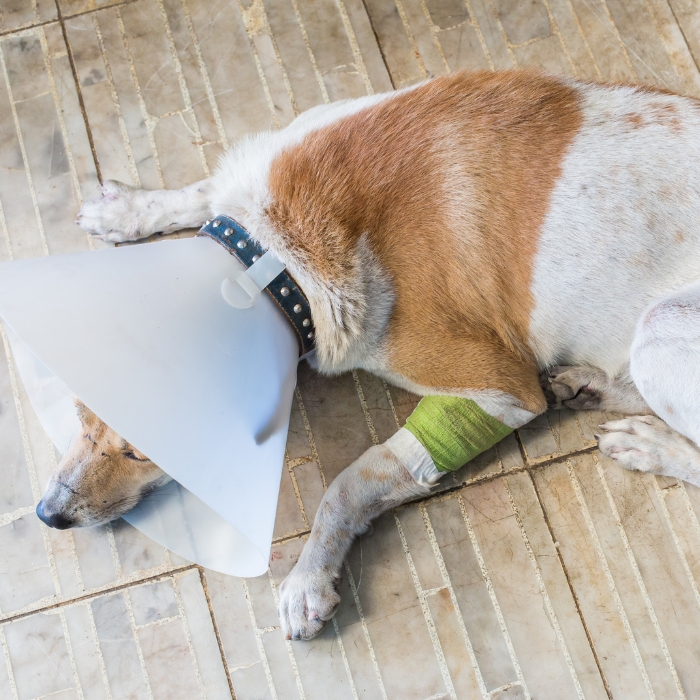
This is one of the most dangerous myths in dog care. While dog saliva contains some enzymes, their mouths host countless bacteria. Licking a wound introduces massive bacterial loads into open skin. Furthermore, the tongue's abrasive texture rips off fresh scabs and destroys new skin cells. Using a protective collar (e-collar) is vital.
2. The Danger of Household Disinfectants
Pouring rubbing alcohol or concentrated hydrogen peroxide into a wound is a common mistake. These agents destroy healthy, newly forming cells, burn tissues, and significantly delay healing time—not to mention the intense pain they cause. Use only pet-safe chlorhexidine cleansers or diluted Betadine solution.
3. Hidden Depth of Bite Wounds
Bite wounds from other animals often appear as small, insignificant punctures on the surface. However, teeth shear connective tissue away from muscle underneath, creating large, unseen pockets. Anaerobic bacteria thrive in these dark, oxygen-deprived spaces within hours, leading to severe tissue necrosis and abscesses.
4. Fur as a Pathogen Trap
If hair around the wound isn't trimmed, discharge-matted fur forms a dense layer over the injury. This warm, moist environment creates a perfect breeding ground for bacteria and fungi.
5. Bandaging Too Tightly
Well-meaning owners often wrap paw bandages too tightly. Excessive tightness cuts off circulation, causing swelling, tissue death, and severe pain. If the limb swells above or below the bandage, remove it immediately.
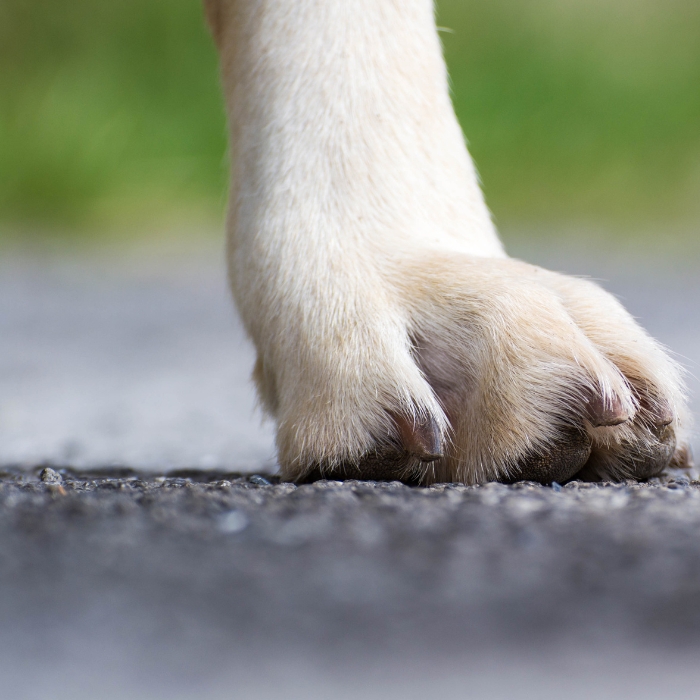
Hot asphalt can cause severe burns to your dog's paws.
Home First Aid and Aftercare:
What to Do and What to Avoid
When you spot a skin injury on your dog, follow these steps:
- Calm the animal: Pain can cause even the gentlest dog to thrash or nip; handle them with care.
- Clean the wound: Flush the wound with lukewarm water or physiological saline solution to remove debris.
- Disinfect: Use a chlorhexidine wound cleanser or diluted Betadine solution.
- Trim surrounding fur: Carefully trim fur around the immediate wound area so it can breathe.
- Prevent licking: Put on a protective collar or recovery garment.
- When to see a vet immediately: Seek professional care if the wound is deep, gaping, bleeding uncontrollably, caused by a bite, suspected of containing a foxtail, or shows any signs of infection.
Minor superficial scratches will heal well at home with attentive care and proper disinfection.
However, do not hesitate to contact a veterinarian if you have any doubts about wound depth or healing progress. Early professional treatment can shorten recovery by days and save your pet from unnecessary pain.
 Spend at least 25,000 HUF and enjoy
 For our human health products, visit our