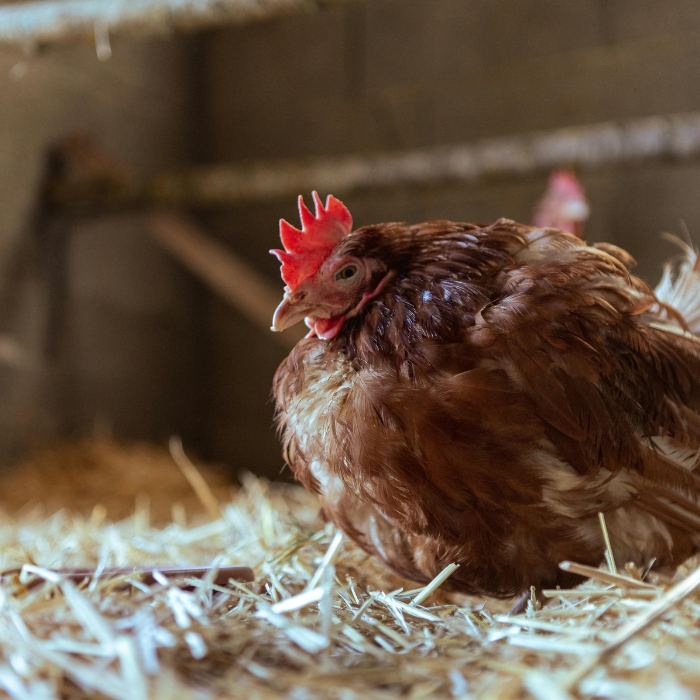
What Triggers the Autumn Moult?
Moulting is the periodic shedding and replacement of old, worn-out feathers with fresh, well-insulating plumage. Feathers wear down over time due to weather exposure, dust bathing, and general flock interactions. Without an annual refresh, birds would suffer from poor thermoregulation and reduced flight capability.
The primary environmental trigger for an adult moult is photoperiodism—the decrease in daily daylight hours. When autumn approaches and daylight hours fall below 14 hours per day, a hormonal cascade triggers in the hen’s pineal gland and hypothalamus:
- Thyroid Hormone Release: Reduced daylight signals the thyroid gland to release hormones that temporarily halt reproductive hormones (estrogen and progesterone).
- Reproductive Pause: Ovarian activity shuts down, redirecting all energy reserves away from egg production.
- Follicle Activation: New feather shafts push out old, damaged feather shafts from the skin follicles.
While daylight reduction serves as the primary master switch, secondary triggers such as sudden temperature drops, nutritional deficiencies, or severe environmental stressors can accelerate or intensify the moult.
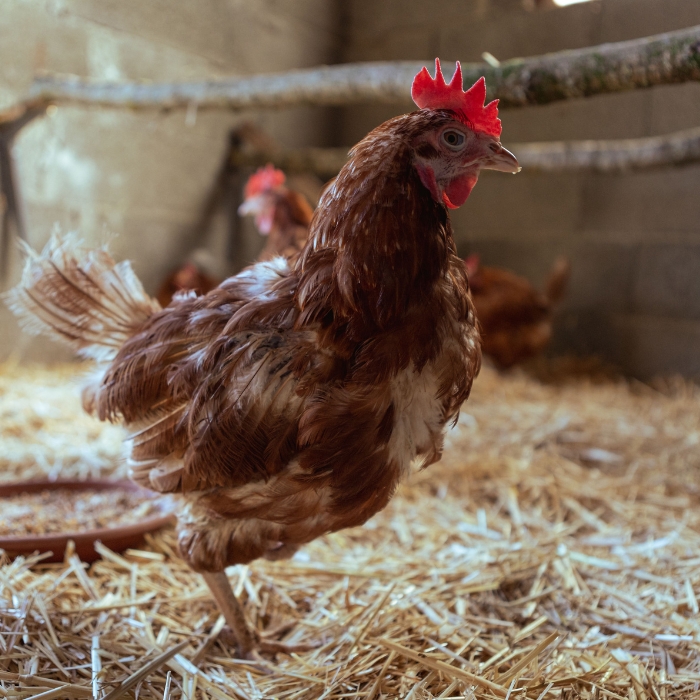
Moulting is the periodic shedding and replacement of old, worn-out feathers with fresh, well-insulating plumage.
The Effect of Climate on Moulting
Climate and limate and geography heavily influence when and how rapidly the moulting process occurs. In Central Europe and other regions with a continental climate for example local weather patterns dictate specific seasonal management needs of moulting.
- Typical onset of moulting: The adult moult generally commences between late August and early October, coinciding with the rapid shortening of days and the arrival of the first crisp autumn nights characteristic of the continental climate.
- Climatic pressures: In continental climate, autumns are marked by quick transitions from mild late-summer warmth to damp, chilly October conditions. Because persistent rain and cold dampness quickly chill uninsulated skin, chickens must complete their feather regrowth before heavy winter frosts set in.
- Age Variations:
- Pullets (Young Hens): Birds hatched earlier in the spring (under 12 to 18 months of age) typically bypass a full adult autumn moult or experience only a very light, localized "partial moult."
- Adults (2+ Years): Mature birds undergo a complete, synchronous annual moult every autumn, shedding and replacing nearly every feather on their bodies.
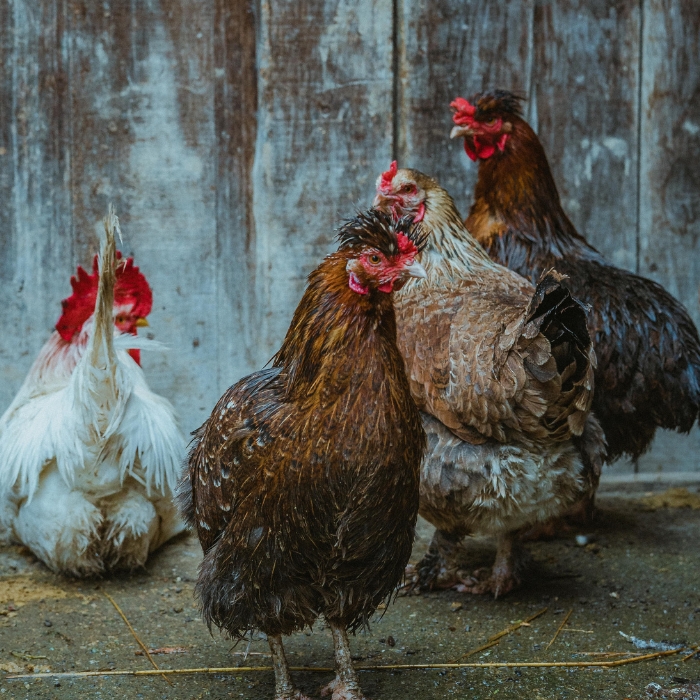
Mature birds undergo a complete, synchronous annual moult every autumn.
The Phases of Moulting
Moulting does not happen at random; it follows a strict, orderly, and symmetrical anatomical progression. Recognizing this pattern helps keepers differentiate a normal seasonal moult from feather loss caused by parasites like red mites or behavioral feather-pecking.
1. Head and Neck
Feather shedding invariably starts at the head, moving downward across the crown, earlobes, and throat. Birds often look ruffled and unkempt around the comb and wattles during this initial phase.
2. Back, Breast, and Abdomen
Shedding progresses symmetrically down the back, across the breast plates, and over the abdomen. The speed of this phase varies:
- Fast Moulters: High-producing hens shed massive patches of feathers simultaneously over an 8 to 12-week window. They look remarkably bare ("ugly") but recover quickly.
- Slow Moulters: Lower-producing hens drop feathers gradually over 16 to 24 weeks, maintaining a sparse coat and sometimes trickling out a small number of eggs throughout the process.
3. Wings (Remiges)
Wing feather loss follows a precise sequence to ensure the bird never loses its balance or all flight capabilities at once:
- Primary Feathers: Shed first, starting strictly from the axial feather (the small boundary feather separating primaries and secondaries) and dropping outward toward the wingtip.
- Secondary Feathers: Shed subsequently, working inward from the center toward the body.
4. Tail Feathers (Retrices)
The main tail feathers are dropped last. Once replaced, the shedding phase concludes, and the bird reaches peak regrowth.
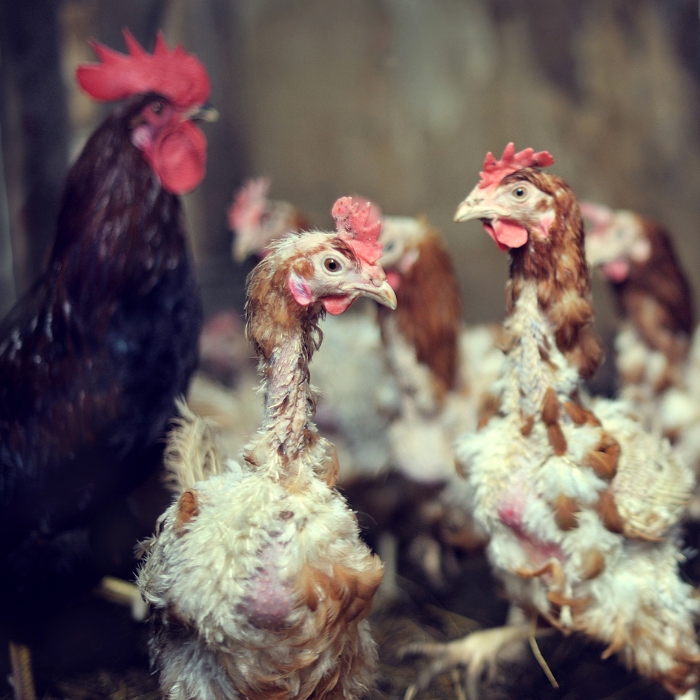
Moulting follows a strict, orderly, and symmetrical anatomical progression.
The Role of Pin Feathers
As old plumage drops, pin feathers (or blood feathers) emerge from the skin follicles. These consist of a robust keratin sheath encasing a dense network of blood vessels that nourish the developing feather structure. Pin feathers are extremely sensitive to pressure and touch; if broken, they can bleed profusely. Once the feather reaches its full length, the bird preens away the waxy keratin casing, unveiling smooth, glossy plumage.
Physiological and Behavioral Challenges
The autumn moult demands massive physiological output, bringing distinct vulnerabilities and management challenges:
1. Complete Cessation of Egg Laying: Feathers are composed of 85–90% protein, specifically keratin (rich in sulfur-bearing amino acids like cysteine and methionine). Synthesizing an entirely new coat requires immense metabolic resources. Because egg production also requires high protein and calcium, a hen's biological system cannot support both simultaneously, resulting in an inevitable egg drought.
2. Immune Suppression and Vulnerability: Energy diversion toward feather synthesis leaves fewer metabolic reserves for immune defense. Consequently, birds are significantly more susceptible to respiratory infections and parasites during damp Central European autumn weather.
3. Pain and Behavioral Withdrawal: Because emerging pin feathers contain active nerve endings, physical handling or rough contact causes acute discomfort. Moulting birds often become uncharacteristically timid, quiet, or withdrawn, seeking to avoid perching close to aggressive flockmates.
4. Risk of Cannibalism: If sensitive pin feathers are accidentally ruptured and bleed, the bright red blood can trigger curiosity and aggressive pecking from other flock members, escalating rapidly into flock-wide cannibalism if housing space or dietary protein is inadequate.
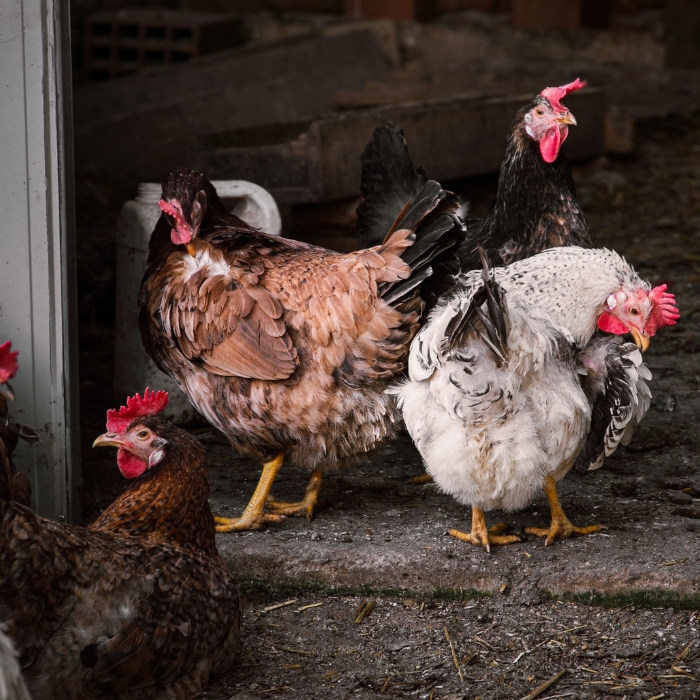
Hens normally completely cease laying eggs during moulting.
Advanced Flock Management and Support
Strategic intervention during this high-stress window accelerates feather regeneration, protects against cold stress, and safeguards flock health.
1. Increase Dietary Protein
Standard layer rations contain roughly 16% protein, formulated primarily for egg production. During moulting, transition your flock to an 18% to 20% protein ration (such as a specialized feathering feed, grower ration, or flock-raiser blend).
- Offer Targeted Supplements: Provide high-protein, nutrient-dense treats in moderation, including dried mealworms, black soldier fly larvae, sunflower seeds, pumpkin seeds, or cooked eggs.
- Maintain Mineral Balance: While free-choice calcium can be reduced slightly since egg-laying has ceased, keep crushed oyster shells accessible in a separate container for birds that require calcium reserves.
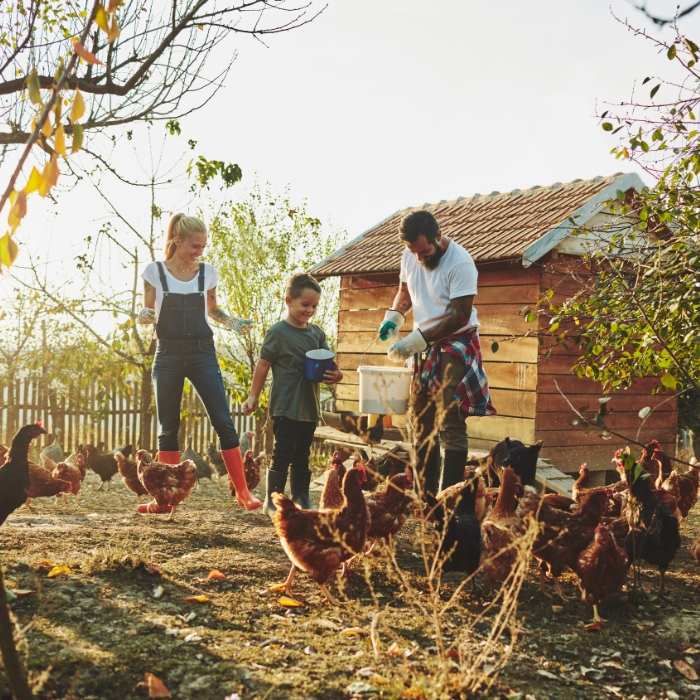
During moulting, transition your flock to an 18% to 20% protein ration.
2. Optimize Housing and Shelter
Central European autumns bring persistent fog, rain, and dropping temperatures. Wet pin feathers chill birds rapidly and compromise thermoregulation. Prepare your coop with the following:
- Ensure Draft-Free Ventilation: Provide adequate airflow at the roofline to exhaust moisture and ammonia without directing cold drafts across low perches.
- Keep Bedding Dry: Maintain deep, clean wood shavings or straw to eliminate ground moisture and keep feet dry.
3. Minimize Flock Stress
- Avoid Handling Birds: Do not pick up moulting chickens unless individual health inspections are strictly necessary.
- Hold Off on New Introductions: Refrain from introducing new flock members during the autumn moult, as establishing a new hierarchy adds debilitating psychological stress.
- Expand Coop Resources: Provide ample feeder space, multiple water stations, and expanded roosting space to prevent crowding and bullying.
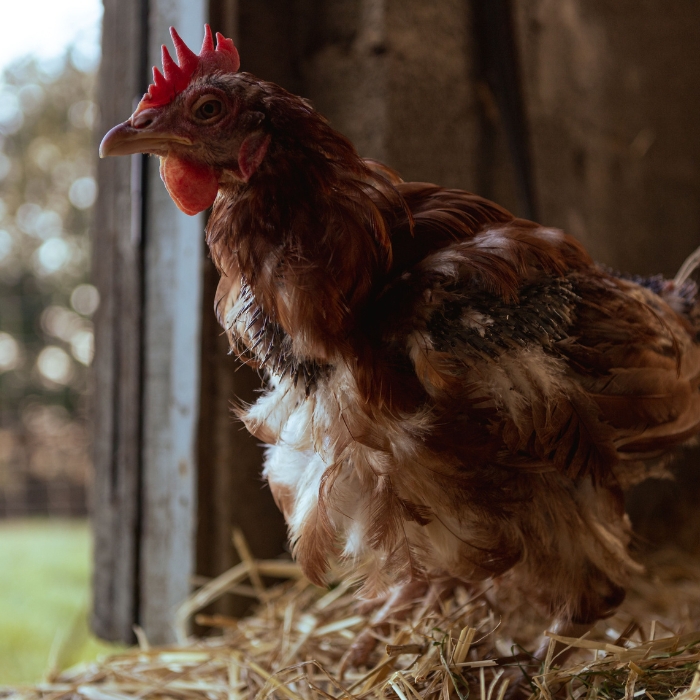
Ensure that the coop is dry and free of cold drafts, but with adequate ventillation.
Key Takeaways for Moulting for Poultry Keepers
- Metabolic Shift: Moulting halts egg laying completely as hens redirect all protein reserves into keratin synthesis for new plumage.
- Precise Sequence: Shedding follows a strict anatomical path starting from the head and neck, moving downward, and concluding with wing and tail feathers.
- Nutritional Demands: Elevating dietary protein to 18–20% significantly shortens moult duration and protects immune health.
- Weather Protection: Dry, well-ventilated housing is essential in Central European climates to prevent wet pin feathers from causing rapid chilling.
By supporting your flock with increased dietary protein, low-stress handling, and a warm, dry coop environment, your birds will successfully regenerate their plumage and emerge into winter fully protected and prepared for the upcoming spring laying season.
 Spend at least 25,000 HUF and enjoy
 For our human health products, visit our